Science
NASA Schedules Artemis II Moon Launch for April 1
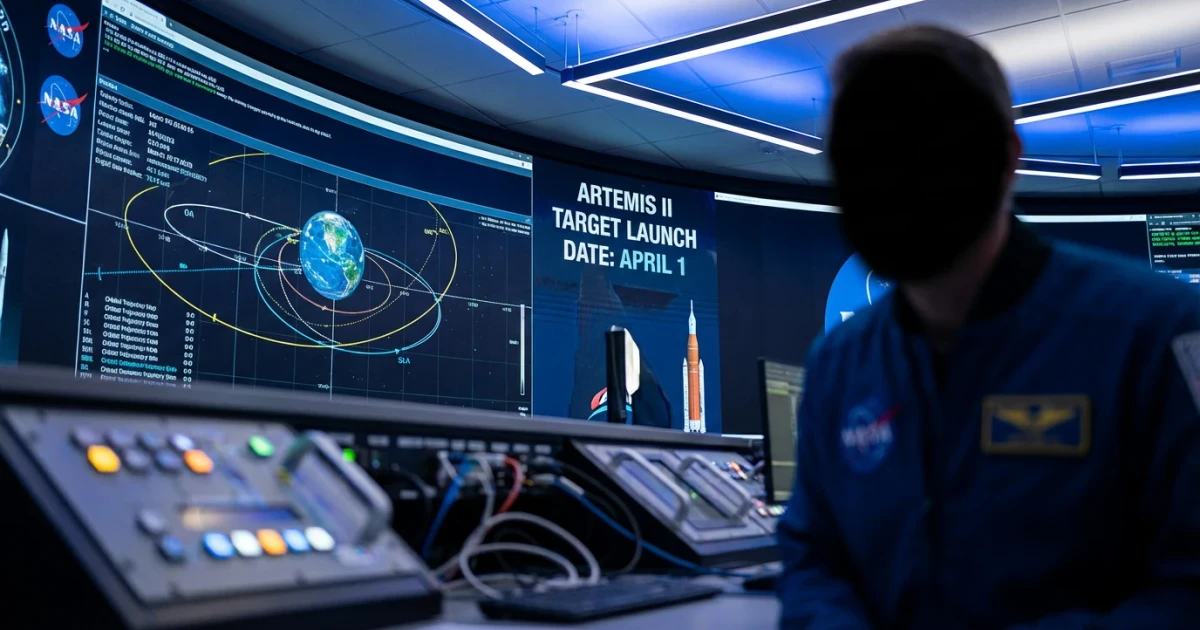
NASA has officially set April 1, 2026 as the target launch date for Artemis II, the agency’s first crewed mission to the Moon in more than five decades. The announcement follows recent technical repairs and signals a renewed momentum for the Artemis II mission, which is central to NASA's broader goal of establishing a sustainable lunar presence.
Technical Repairs Pave the Way for Launch
NASA’s schedule confirmation comes after the successful repair of a helium flow issue in the upper stage of the Space Launch System (SLS) rocket. According to Ars Technica, the agency worked quickly to resolve the problem, which was critical to ensuring the safe operation of the SLS during launch. With the repairs completed, prelaunch preparations are resuming in anticipation of the next major milestone: rolling the fully integrated launch vehicle to the pad.
Mission Objectives and Crew
Artemis II will send a crew of four astronauts on a journey around the Moon, marking the first time humans have left low-Earth orbit since Apollo 17. The mission will test all aspects of the Orion spacecraft’s life support, navigation, and communication systems in deep space. According to NASA’s official press kit, the Artemis II flight will last about 10 days and is designed to demonstrate the capabilities needed for future lunar landings.
- Duration: Approximately 10 days
- Crew: Four astronauts (names and assignments confirmed in previous NASA releases)
- Objectives: Test Orion’s deep-space systems, validate life support and safety protocols, and gather data for Artemis III’s planned lunar landing
Next Steps in Prelaunch Preparations
With the helium issue resolved, NASA teams are proceeding with final integration and system checks. The SLS rocket and Orion spacecraft will soon be rolled out to the launch pad, where they will undergo a series of tests, including a full rehearsal of the countdown sequence. The FAA’s space launch data confirms that all required regulatory filings for Artemis II have been submitted and are in good standing.
Significance for Lunar Exploration
Artemis II is a key step in NASA’s return to the Moon program. The mission’s success will pave the way for Artemis III, which aims to land astronauts near the lunar South Pole. The Artemis program is designed to establish a long-term human presence on the Moon, develop new technologies, and prepare for future crewed missions to Mars.
Analysis: Momentum Builds After Technical Setbacks
NASA’s ability to resolve the SLS upper stage issue and keep Artemis II on track for an early April launch demonstrates the agency’s technical resilience and commitment to schedule. While previous Artemis missions have faced delays, the current preparations reflect lessons learned and an increased focus on risk mitigation. As NASA moves closer to launch, international and commercial partners are watching closely, with Artemis II seen as a critical test of the systems that will underpin future deep-space exploration.
For readers interested in a deeper dive into the Artemis II mission’s technical details, the following resources provide comprehensive background:
The coming weeks will be crucial as NASA completes final testing and prepares for what could be a landmark moment in American spaceflight.