Science
NASA Shifts Rocket Fuel Testing Strategy
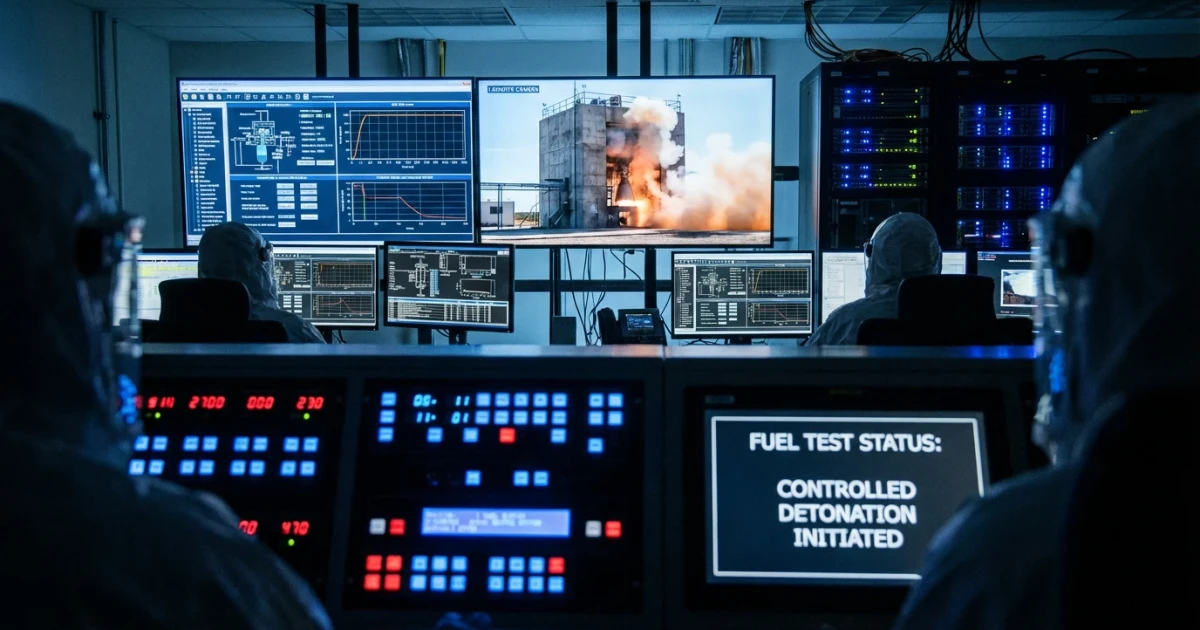
NASA has announced a significant shift in its approach to handling surplus rocket fuel, opting for controlled detonations at its facilities in place of traditional disposal methods. The decision, which underscores the agency’s evolving safety and research protocols, is designed to address the growing logistical and environmental challenges associated with unused rocket propellants.
Background: Propellant Management Challenges
Rocket launches require meticulous planning and precise calculations for fuel usage. NASA’s launch operations—especially at sites like the Kennedy Space Center’s Launch Complex 39A—often result in leftover propellant due to mission delays, aborts, or changes in payload requirements. Disposing of these chemicals, including liquid hydrogen and liquid oxygen, is both costly and environmentally sensitive.
- Liquid hydrogen, a common rocket fuel, must be stored at extremely low temperatures and is highly volatile.
- Traditional disposal involves venting or burning off excess fuel, which can release greenhouse gases and pose risks to local ecosystems.
New Approach: Controlled Detonation
NASA’s latest decision to conduct controlled detonations aims to address these challenges through a more direct and transparent process. According to reporting from Jalopnik, the agency’s leadership expressed frustration with the limitations and risks of existing disposal techniques, prompting the move toward open, documented fuel detonations.
This strategy is not without precedent: controlled explosions have been used in the past for research and safety testing, but rarely at this scale or with this level of public acknowledgment. The goal is two-fold:
- Ensure the safe removal of hazardous materials from storage tanks
- Gather valuable data for future engine designs and propellant handling improvements
Operational and Environmental Considerations
NASA’s facilities are equipped with advanced safety protocols to manage explosive events. The official launch schedule and operational logs indicate that fuel handling and storage account for a significant portion of pre- and post-launch activity. By centralizing and controlling the detonation process, NASA aims to minimize risk to personnel and infrastructure.
Environmental advocates, however, have cautioned that even controlled detonations can produce localized emissions and noise impacts. NASA has stated it will monitor and report environmental effects, adhering to federal guidelines on hazardous material release and air quality.
Implications for Future Missions
The move also reflects broader trends in the aerospace industry, where commercial launch providers and government agencies are re-examining fuel management practices in light of increased launch frequency and tighter environmental regulations. NASA’s approach could serve as a model for handling surplus propellants while generating new data on the behavior of rocket fuels under controlled conditions.
For more technical information on the types of propellants used and their properties, readers can consult NASA’s Rocket Propellants Fact Sheet and the What is Rocket Fuel? explainer.
Looking Ahead
NASA’s decision marks a pragmatic response to the complex realities of modern spaceflight, emphasizing both safety and scientific learning. As the agency continues to refine its fuel policies, the industry will watch closely for lessons that could inform best practices across public and private launch operations.