Science
NASA Spacecraft Captures Striking Mars Flyby Images
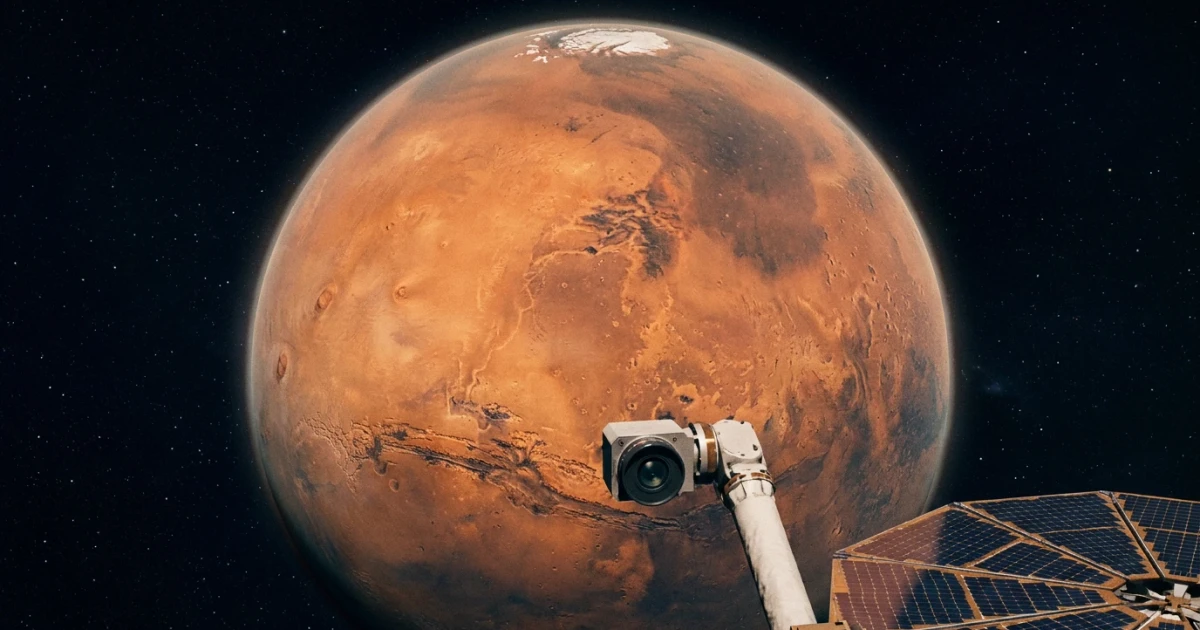
NASA has released striking new images of Mars, captured during a recent spacecraft flyby, providing the scientific community and the public with a fresh look at the Red Planet’s surface and atmosphere. The flyby, covered by The Weather Channel, marks another milestone in Mars exploration, highlighting both the technological prowess of NASA and the continuing quest to understand our neighboring planet.
Unveiling Mars Through New Imagery
The latest flyby produced a series of high-resolution photographs, showcasing diverse Martian terrains. According to NASA’s official mission status updates, the spacecraft successfully maneuvered to capture wide-angle views and close-ups of geological formations, including craters, dust plains, and polar ice caps. These images are now available in the NASA/JPL Mars Image Gallery, offering researchers and enthusiasts a chance to explore Mars in unprecedented detail.
- High-resolution surface images reveal layered sediment and evidence of past water activity.
- Atmospheric snapshots show dust storms and cloud formations, contributing to ongoing studies of Martian weather patterns.
- Data from the flyby is being integrated into NASA’s Mars Exploration Program Resources, enriching the available database for future research.
Scientific Insights and Mission Objectives
The flyby is part of NASA’s broader strategy to map Mars and study its environment. The mission’s science objectives include searching for signs of ancient life, analyzing climate and geology, and preparing for eventual human exploration. Newly acquired flyby data supports these goals by offering detailed observations of surface features and atmospheric conditions. NASA’s Planetary Data System is now processing and archiving the datasets, ensuring accessibility for researchers worldwide.
Weather and Atmospheric Discoveries
NASA’s spacecraft also recorded weather metrics during its flyby, adding to the InSight Mars Weather Data archive. These readings—covering temperature, wind speeds, and atmospheric pressure—help scientists track seasonal changes and the impact of dust storms on surface visibility. The Weather Channel emphasized the importance of such atmospheric snapshots for understanding Mars’ current climate and its evolution over time.
Public Engagement and Ongoing Exploration
Images from the flyby have been widely shared, sparking renewed public interest in Mars exploration. NASA’s ongoing research, detailed in recent scientific publications, underscores the value of each mission in expanding our knowledge of Mars. While the latest flyby did not yield groundbreaking discoveries, it strengthens existing datasets and serves as a reminder of the steady progress in planetary science.
Looking Ahead
As NASA continues to analyze the new images and data, scientists anticipate further findings related to Martian geology and weather. Future flybys and lander missions will build on these results, refining our understanding of Mars and paving the way for potential human exploration. With each new dataset and photograph, the Red Planet becomes a little less mysterious, inviting ongoing curiosity and investigation.