Science
NASA study suggests solar storms may be more severe than thought
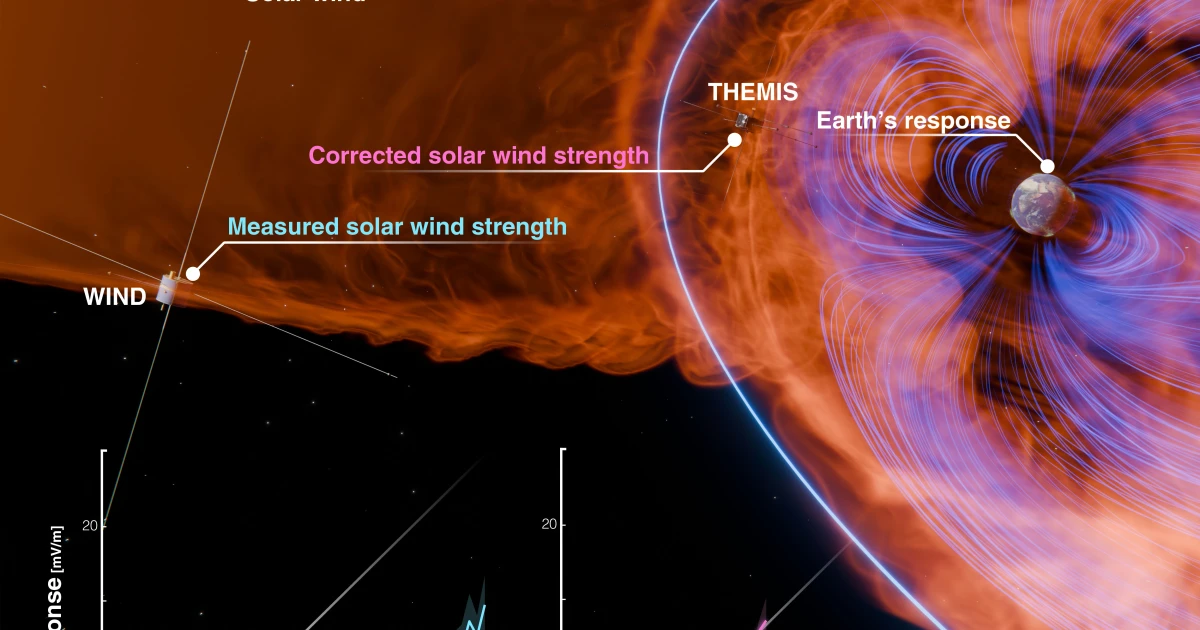
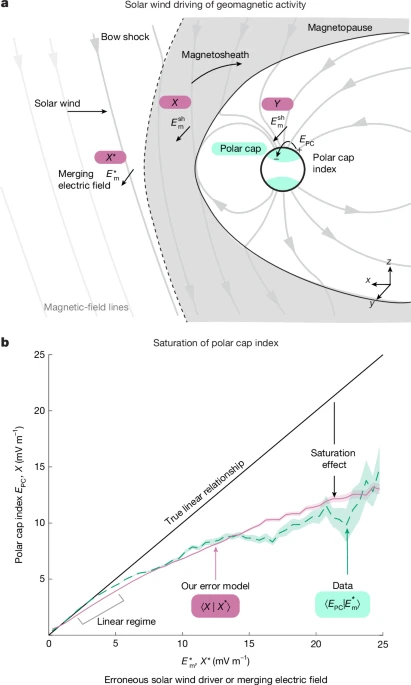
NASA said a new study published in Nature found that the long-assumed ceiling on how intensely solar storms can drive currents in Earth’s upper atmosphere may not be real. The analysis points instead to a measurement problem that could leave power grids, satellites, navigation systems and communications infrastructure more exposed to extreme space weather than forecasters have assumed.
The study was led by Nithin Sivadas of NASA’s Goddard Space Flight Center in Greenbelt, Maryland. NASA said the team examined more than a million solar wind measurements from spacecraft closer to Earth, including the Magnetospheric Multiscale mission and THEMIS, and concluded that the apparent saturation in geomagnetic response can be explained by regression to the mean. Earlier studies often relied on spacecraft taking measurements about a million miles closer to the Sun than Earth is, which can make the incoming solar wind look stronger on average than the stream that actually reaches our planet.
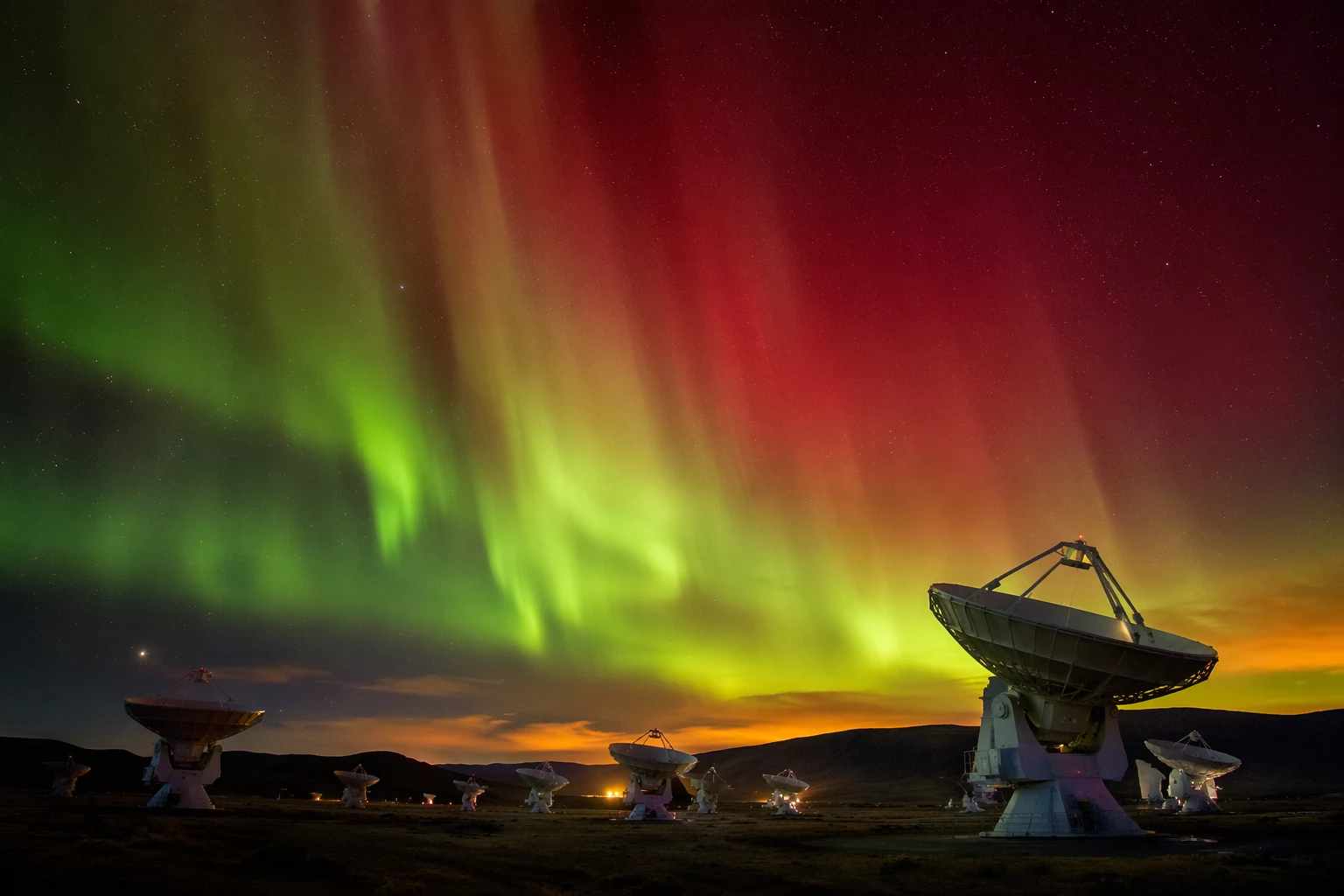
That matters because the strongest solar wind can drive electric currents in Earth’s upper atmosphere, and those currents can disrupt the technology that modern life depends on. NOAA’s Space Weather Prediction Center explains that geomagnetic storms can induce currents in electrical systems because a time-varying magnetic field produces electrical current in a conducting wire. In practical terms, that means risks for electric-power-transmission systems, GPS positioning and timing, over-the-horizon radio, satellite operations, aeromagnetic surveys and directional drilling all sit in the same threat envelope when a major storm arrives.
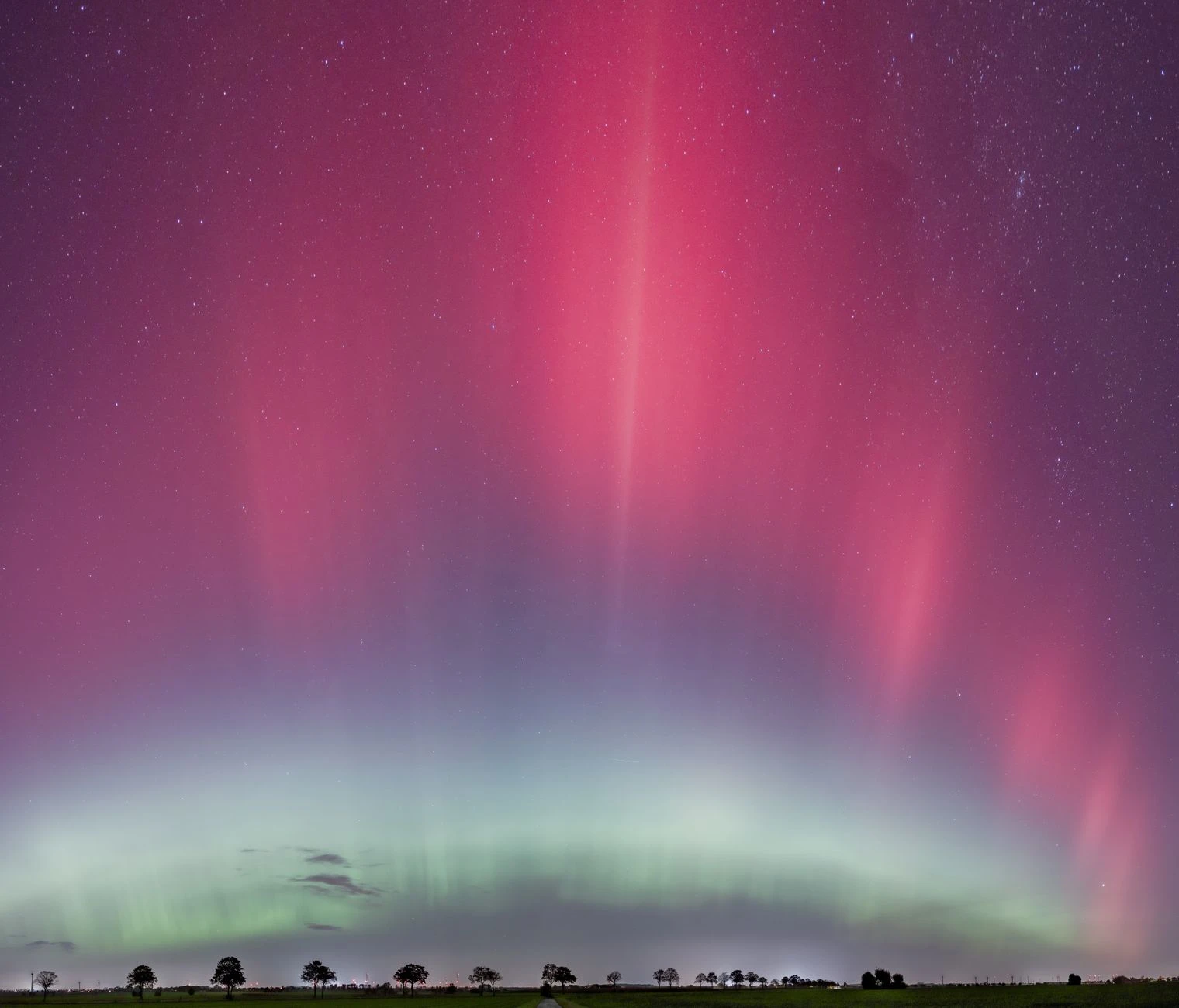
The concern is not theoretical. The U.S. Geological Survey said the May 10, 2024 storm was classified as G5, the highest level on the NOAA geomagnetic disturbance scale, began at 12:06 Eastern Time and appeared to peak at 17:24. USGS said it affected power transmission, GPS positioning and timing, radio links and satellite operations. NASA’s visualization of the May 7 to May 11 event showed at least seven coronal mass ejections racing toward Earth at speeds up to 3 million mph and producing the first G5 storm in more than two decades.
Historical storms show how severe the stakes can become. USGS says the March 1989 geomagnetic storm reached Dst -589 nT and triggered the Hydro-Québec blackout. The Carrington storm of September 1859 reached about Dst -900 nT and knocked telegraph systems off balance, with fires reported at telegraph stations. NASA’s new analysis does not argue that a catastrophe is imminent, but it does suggest the upper end of solar storm intensity may be broader than many engineers and planners have built into their assumptions.
Sources
- [1]science.nasa.gov
- [2]nature.com
- [3]svs.gsfc.nasa.gov
- [4]usgs.gov
- [5]spaceweather.gov
- [6]science.gsfc.nasa.gov