US News
NASA updates Artemis III plan, but experts say timeline is ambitious

NASA is presenting Artemis III as a measured step toward the Moon, but the schedule still carries the weight of a credibility problem. The mission has moved from an earlier 2025 target to 2027, and the core challenge is no longer only reaching space, but proving that Orion and commercial lunar hardware can actually work together.
NASA now describes Artemis III as a crewed flight that will carry four astronauts aboard Orion from Kennedy Space Center in Florida and test rendezvous and docking in low Earth orbit. The agency says the mission will help pave the way for future lunar surface flights, and its public materials describe Artemis III as a series of objectives designed to demonstrate critical systems needed for later landings. NASA also says the mission will build on Artemis II, which the agency now says flew in April.
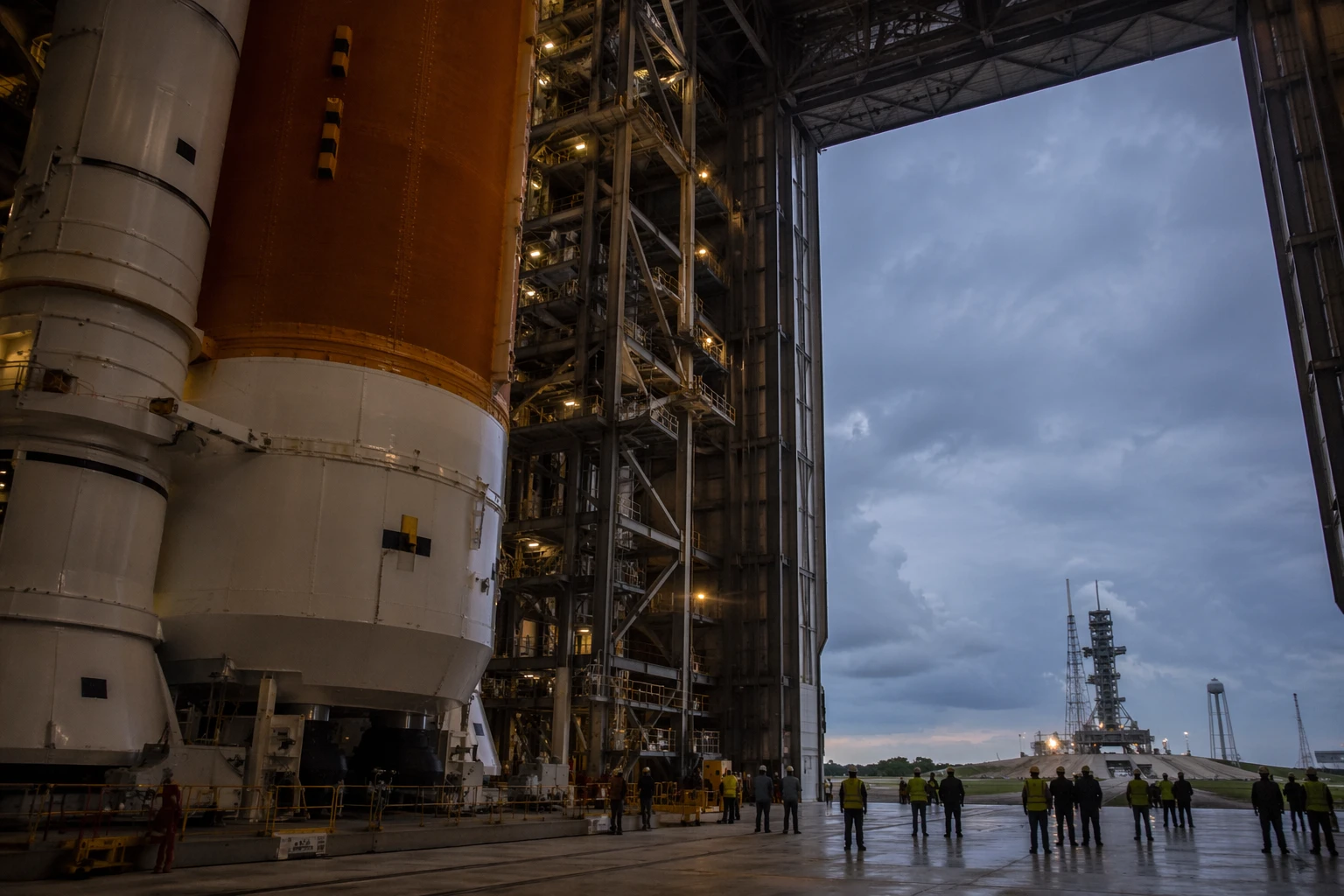
The next milestone is even more revealing. In a May 2026 mission-planning update, NASA said it is moving quickly to define Artemis III’s Earth-orbit profile for next year. That shift matters because the agency’s human landing system pages still frame SpaceX’s Starship Human Landing System as the vehicle meant to carry astronauts from lunar orbit to the Moon’s surface and back, with Artemis III calling for Starship HLS to dock directly with Orion in lunar orbit. Some reporting has suggested the actual lunar landing could slip to Artemis IV, which would turn Artemis III into a systems test rather than the mission that finally puts Americans back on the surface.
The budget picture helps explain the pressure. The NASA Office of Inspector General said Artemis III had once been planned for 2025 before later schedule changes. The same watchdog projected total Artemis costs through fiscal 2025 at $86 billion. In a 2026 report on the Human Landing System program, the office said NASA had already obligated nearly $7 billion for lander development since 2019 and was projected to spend more than $18 billion through fiscal 2030. It also said SpaceX’s and Blue Origin’s lander contracts had risen by 6 percent and less than 1 percent, respectively.
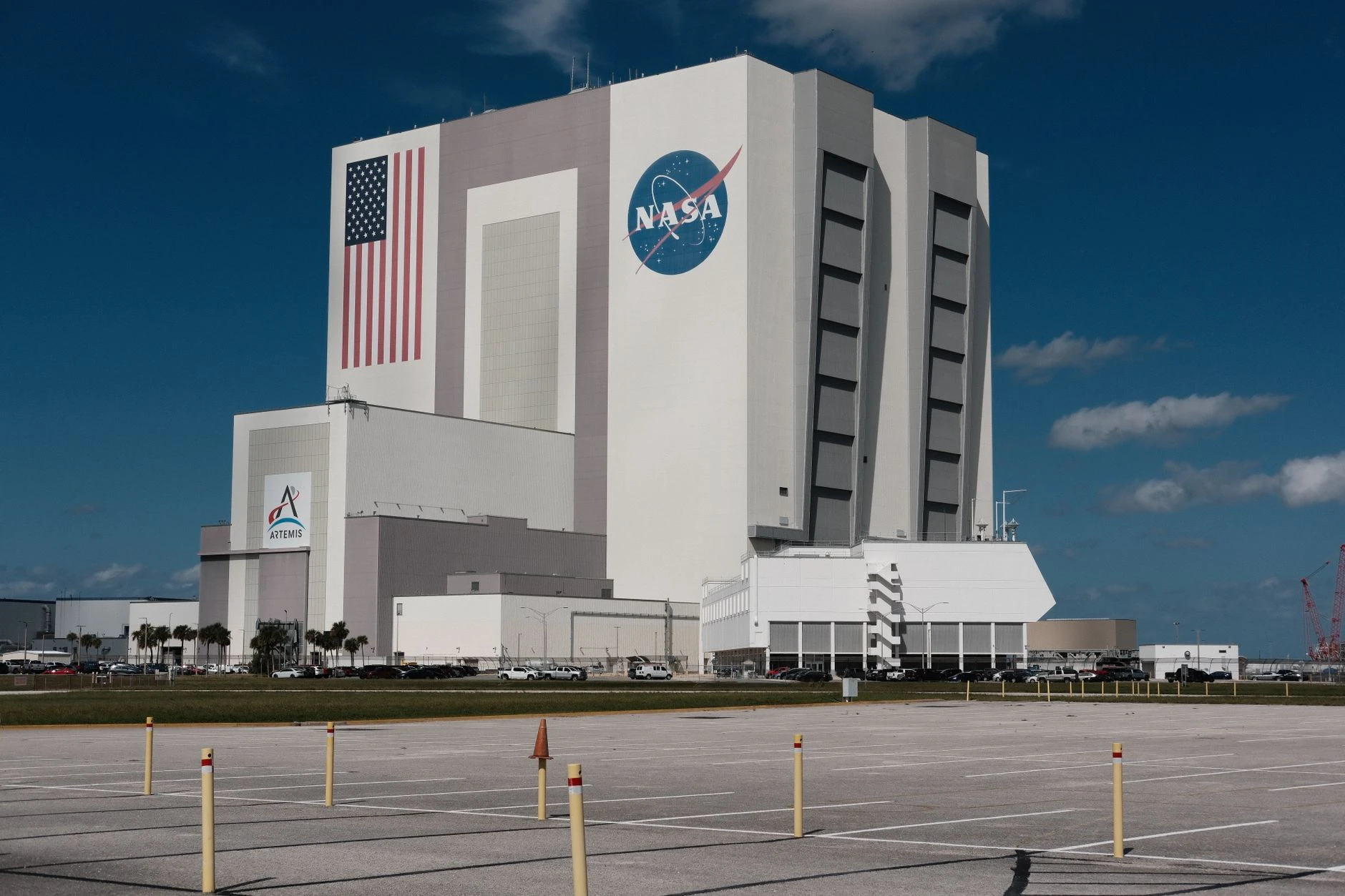
That spending underscores the stakes for NASA’s Moon-to-Mars strategy. The agency treats the Moon as a proving ground for eventual Mars missions, which makes every delay more than a scheduling problem. If Artemis III slips again, the setback would ripple through the systems NASA needs for lunar orbit operations, surface access and the broader case for U.S. leadership in deep space.
Sources
- [1]nytimes.com
- [2]nasa.gov
- [3]oig.nasa.gov