US News
NASA’s all-male Artemis III crew sparks backlash after announcement
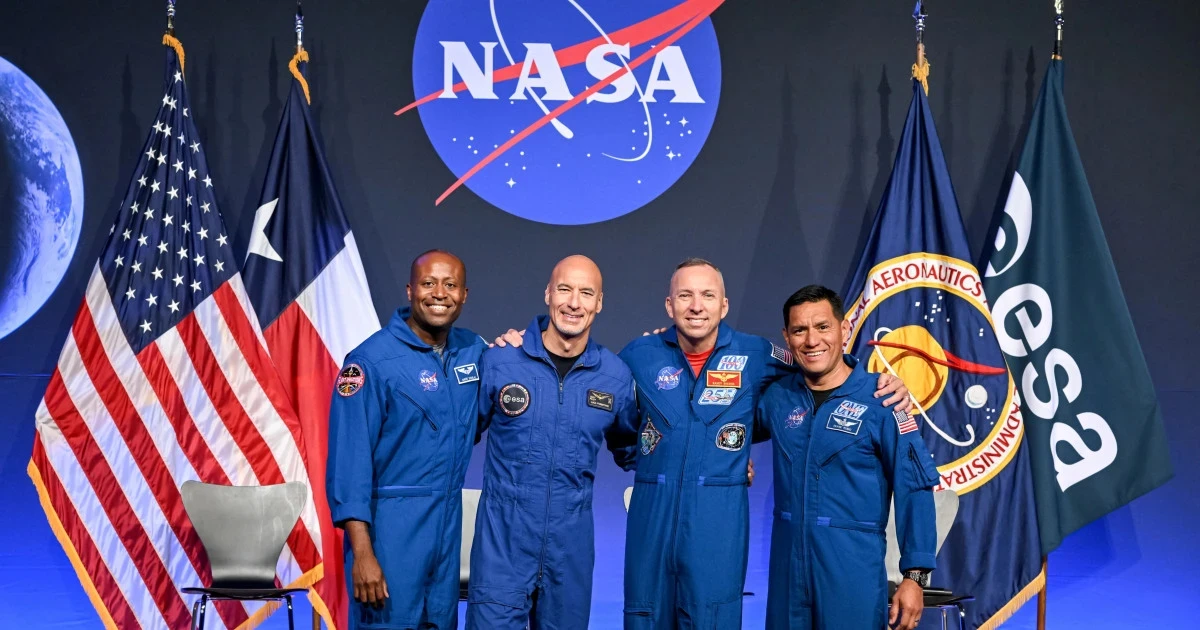
NASA’s announcement of its Artemis III crew on June 9 drew immediate backlash because all four astronauts named for the mission were men. The lineup, Randy Bresnik, Frank Rubio, Andre Douglas and European Space Agency astronaut Luca Parmitano, landed at a moment when NASA is trying to sell Artemis as both a technical stepping stone and a historic return to the Moon.
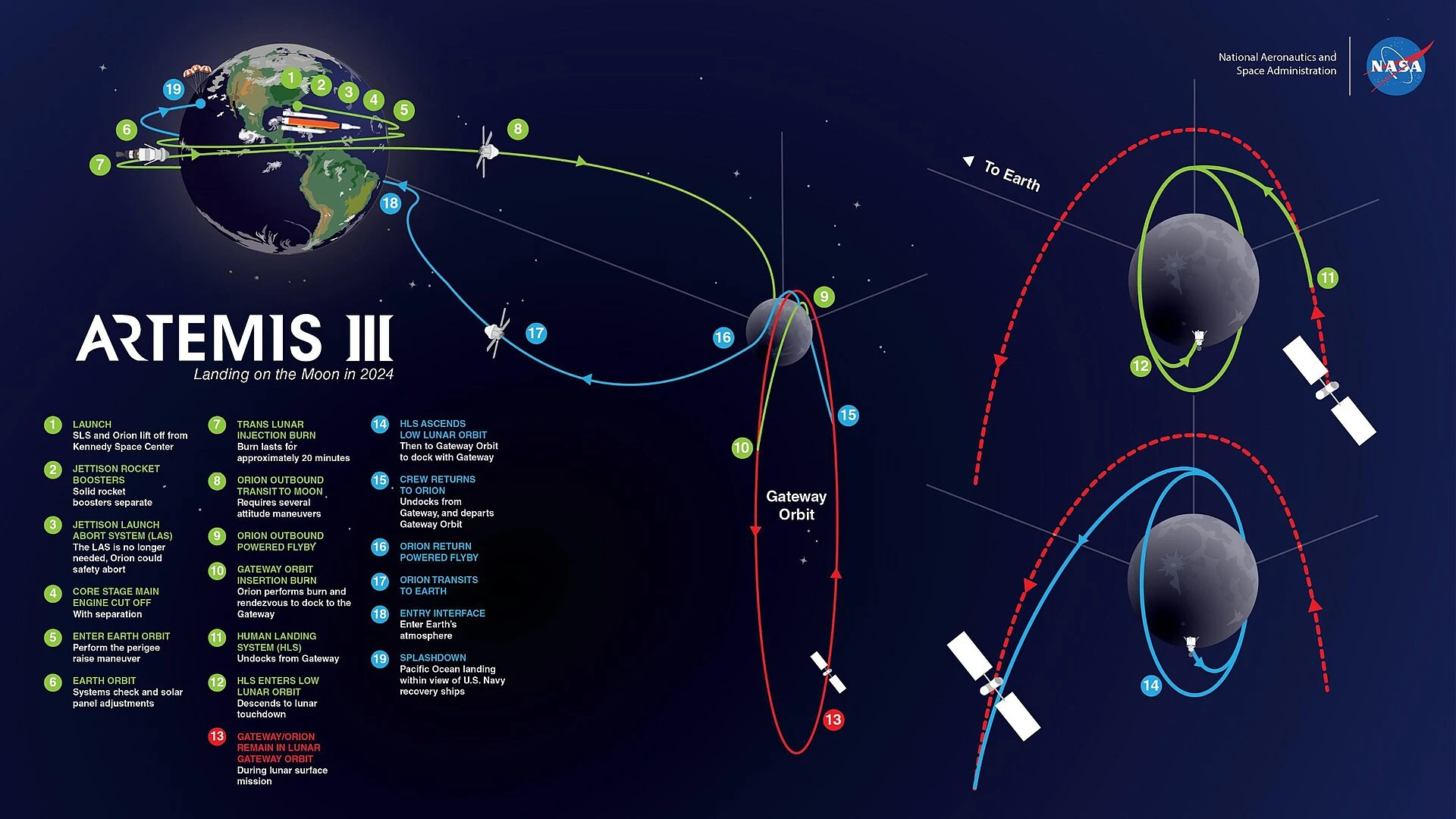
The agency says Artemis III is targeted for 2027 and will be a low-Earth-orbit test mission designed to demonstrate critical systems needed for future lunar landings. NASA has said the flight will test rendezvous and docking between Orion and commercial human landing systems, work that is central to getting astronauts down to the lunar surface. The mission is also intended to pave the way for Artemis IV, which NASA says is currently planned as the first crewed mission to the lunar South Pole in 2028.
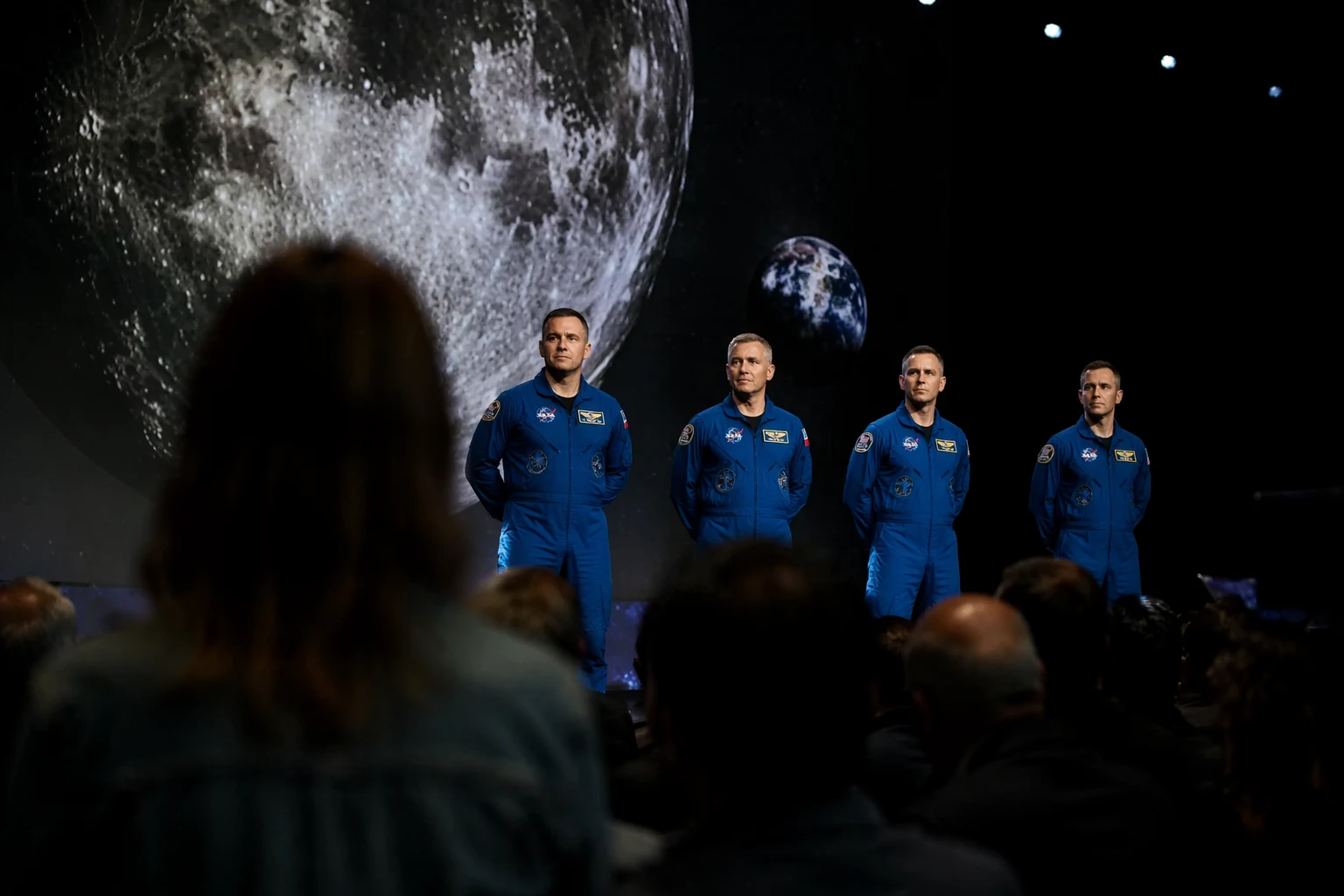
The reaction focused not only on who was chosen, but on what the choice said about NASA’s public messaging. NASA had previously framed Artemis around landing the first woman and the first person of color on the Moon, language that was removed from some NASA web pages in 2025 as the agency changed its public-facing wording. That shift has fueled questions over whether NASA is dialing back a diversity promise that once sat at the center of the program’s identity.
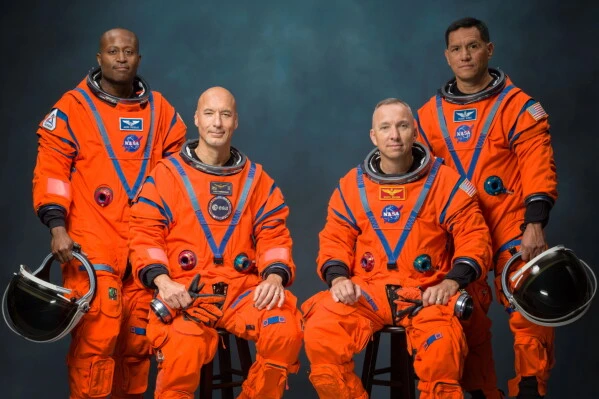
Jared Isaacman said the astronauts were selected for experience, skill sets and availability, and that the all-male makeup was not intentional. Still, the announcement sharpened scrutiny of the agency’s astronaut pipeline and how narrow the pool of eligible crew for deep-space missions may be, even as NASA has described the broader Artemis corps as among the most diverse in history. The debate now extends beyond representation alone, touching the credibility of NASA’s commitments, the way it defines readiness for flight, and whether the public can stay invested in a program that asks for patience while its symbolism appears to be changing.
Sources
- [1]nbcnews.com
- [2]nasa.gov