Science
NASA's Artemis 2 Moon Rocket: Fuel Test Reveals Leaks, But Launch Preparations Forge Ahead
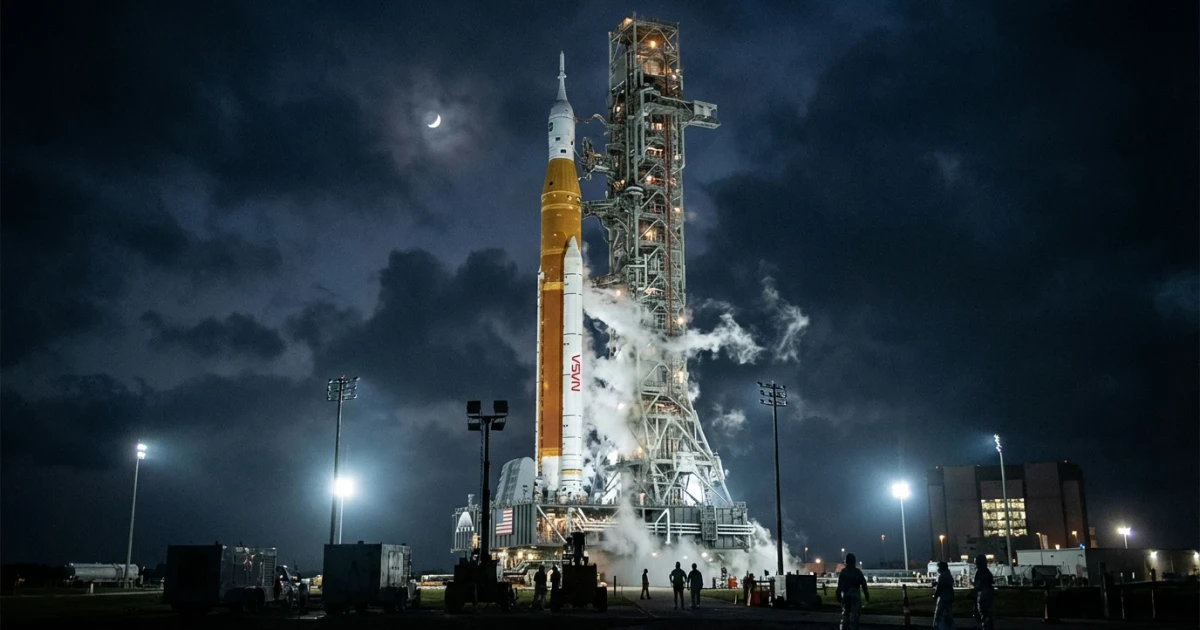
NASA’s Artemis 2 mission, set to carry astronauts around the moon for the first time in over 50 years, reached a pivotal milestone as engineers conducted a crucial fueling test on its massive Space Launch System (SLS) rocket. The test did not go off without a hitch—engineers noted some leakage issues, raising both concern and curiosity about the rocket’s readiness for its historic flight.
Critical Fueling Test: Progress and Problems
NASA teams fueled up the giant Artemis 2 moon rocket at Kennedy Space Center, a process designed to simulate the intense conditions of launch day. This so-called “wet dress rehearsal” not only tests the rocket’s ability to hold propellants but also provides a real-world check of ground support systems and operational timelines.
The agency reported the presence of leaks during the test, a recurring challenge in complex liquid-fueled rockets. While some degree of leakage can be anticipated due to the extreme cold and high pressures involved, the Artemis 2 team is now assessing the severity and origin of these leaks. The outcome of their troubleshooting will determine if the timeline for the crewed mission remains on track.
What’s at Stake: Artemis 2’s Historic Mission
Artemis 2 marks a major step in NASA’s Artemis program, which aims to return humans to the moon and eventually pave the way for Mars exploration. Unlike Artemis 1, which flew uncrewed, Artemis 2 will carry astronauts around the moon, testing all systems in flight ahead of future lunar landings.
- SLS Rocket: The Space Launch System is the most powerful rocket NASA has ever built, designed to send astronauts and heavy cargo beyond low Earth orbit.
- Timeline: Artemis 2 is currently scheduled for launch in the coming months, pending successful completion of all preflight tests and resolution of technical issues.
Leak Troubleshooting: How Serious Are the Issues?
Leaks in rocket fuel systems are not uncommon. The super-cold liquid hydrogen and oxygen propellants can cause seals to contract and hardware to behave unpredictably. NASA’s engineering teams are evaluating the data from the fueling test to determine whether the leaks were within expected parameters or if repairs and further testing are required.
Spaceflight observers note that troubleshooting such problems is a routine part of preparing complex launch vehicles. Still, any delays must be balanced against the high stakes of a crewed mission.
Next Steps: Is Artemis 2 Ready to Fly?
The question remains: will the leaks discovered during the Artemis 2 fueling test delay the mission? NASA has not yet announced any changes to the launch schedule but emphasizes that safety is paramount, especially with astronauts aboard for the first time in a half-century.
As engineers pore over the data and develop solutions, the Artemis 2 team remains focused on ensuring that all systems perform flawlessly on launch day. The outcome of their efforts will influence not only the schedule for Artemis 2 but also the timeline for subsequent missions aiming to land the first woman and next man on the lunar surface.
Looking Ahead: The Road to the Moon
Despite the challenges, the Artemis program continues to generate excitement and anticipation worldwide. Each test—even those that reveal problems—brings NASA one step closer to returning humans to the moon and advancing the frontier of space exploration. As more information emerges from troubleshooting, the world will be watching to see how NASA addresses the leaks and prepares for the next giant leap.
Sources
- [1]Space