US News
NASA’s Artemis moon mission faces delays, soaring SLS costs
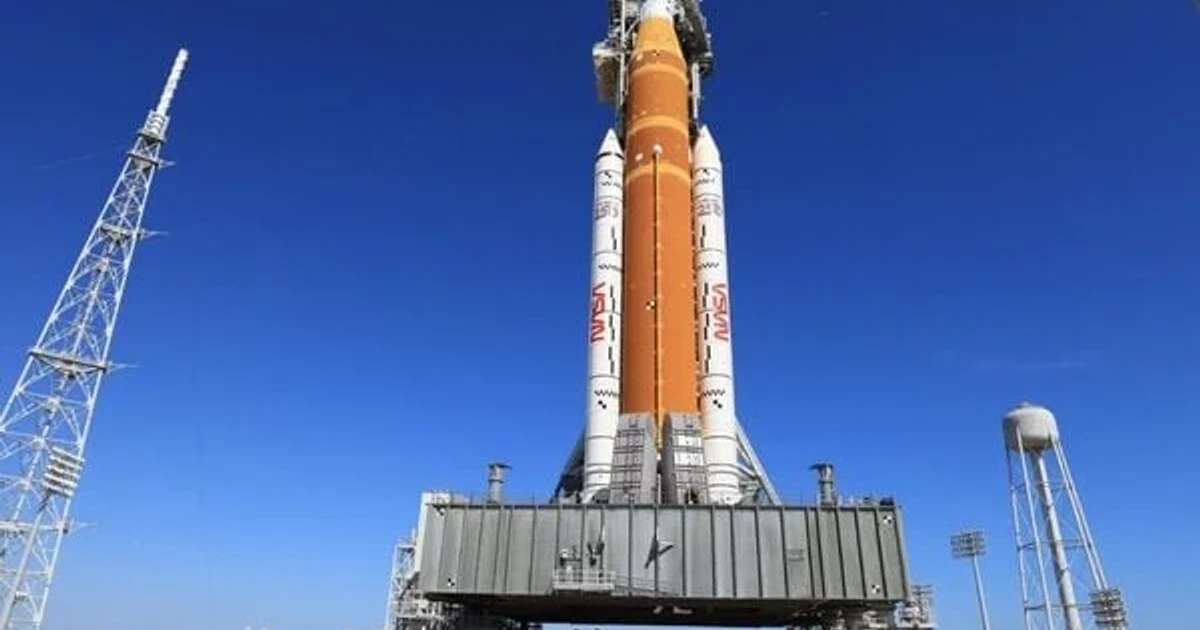
NASA targeted a March 2026 launch window for Artemis II, the first crewed flight in its Moon program, but the schedule has already slipped again, widening the gap between the agency’s exploration goals and the rocket meant to carry them out. The delay matters because Artemis is the backbone of NASA’s return-to-the-Moon plan, and every missed milestone pushes later missions further out.
Artemis I showed both the rocket’s reach and the pace of the program. The first Space Launch System flight lifted off on Nov. 16, 2022, and completed a 25-day, 10-hour, 53-minute uncrewed lunar test mission that traveled 1.4 million miles beyond the Moon and back. NASA still describes Artemis II as the next step and Artemis III as the mission planned for 2027, carrying four crew members from Kennedy Space Center in Florida. Artemis IV is now the mission slated to debut SLS Block 1B.
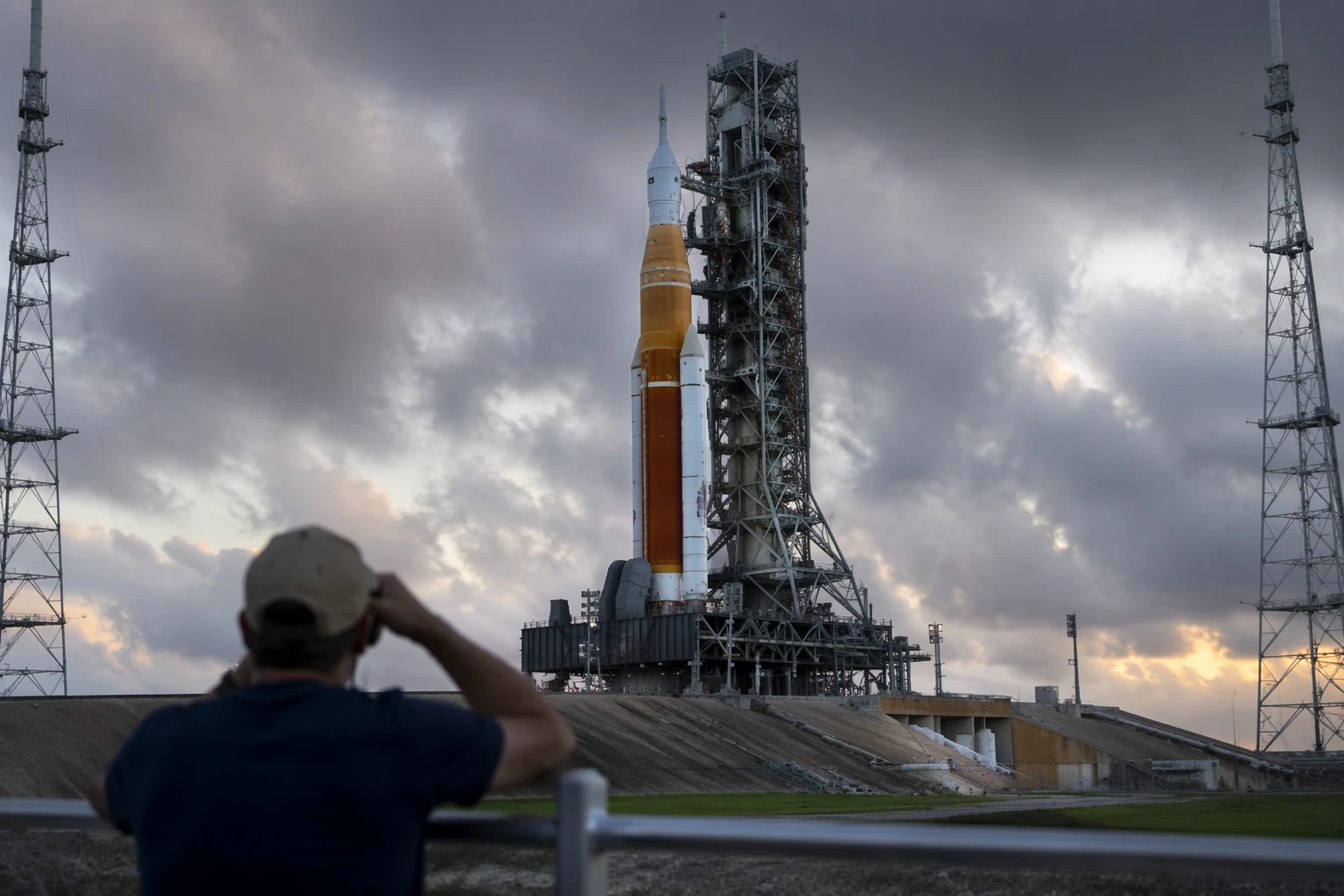
That next version is meant to be bigger and more capable, but it also underscores how long the program is taking to mature. NASA says Block 1B will stand 366 feet tall and will be able to carry Orion plus a 10-metric-ton co-manifested payload. The first such payload is the Lunar I-Hab for Gateway, tying the rocket’s development to another deep-space system that is also still being assembled.
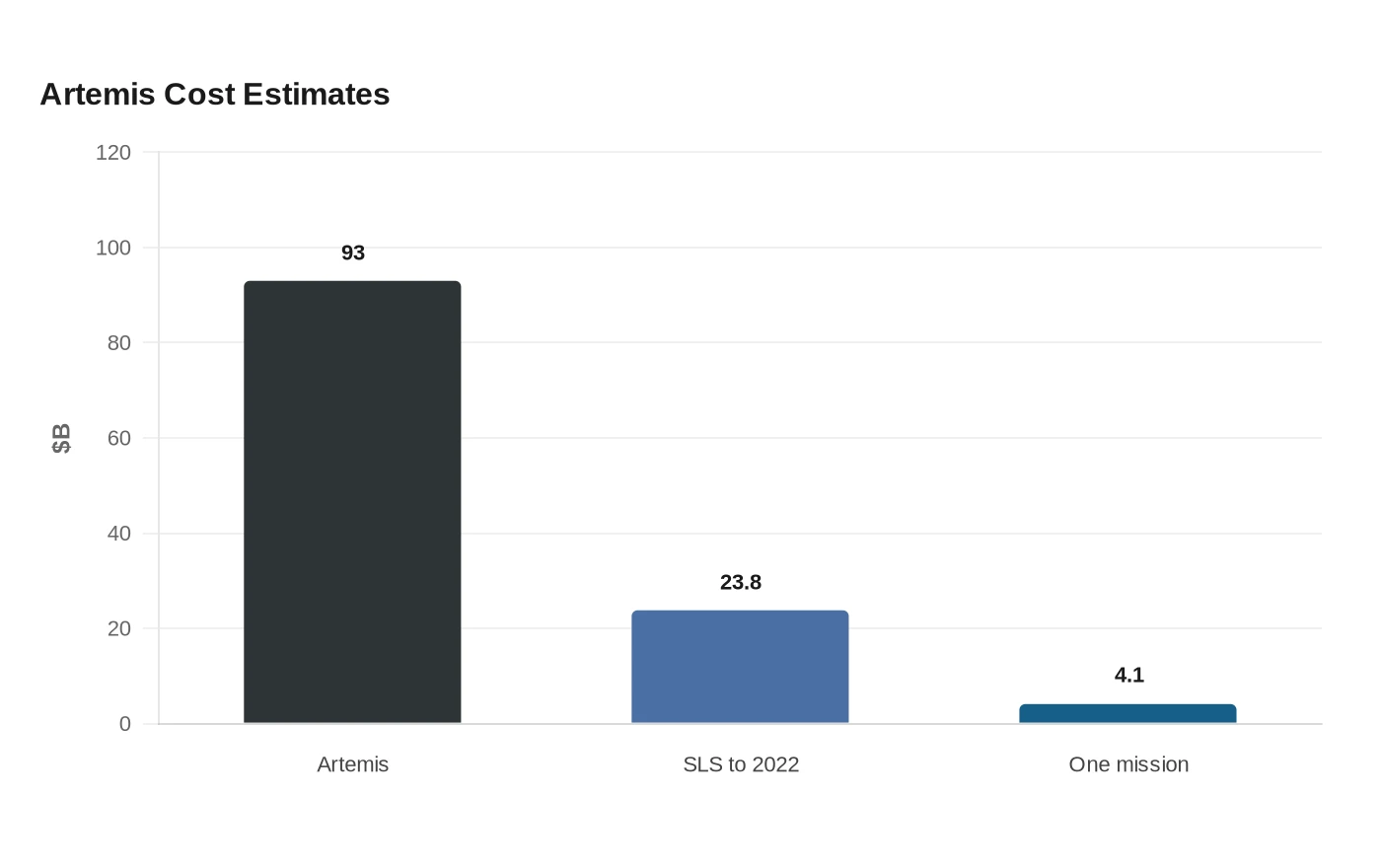
The cost side is as stark as the schedule. NASA’s Office of Inspector General projected Artemis costs at $93 billion through fiscal year 2025, with SLS accounting for $23.8 billion through 2022. The watchdog also estimated the production and operations cost of a single SLS-Orion mission at about $4.1 billion. The Government Accountability Office has separately said NASA lacked a production-cost baseline that would let it monitor affordability, leaving the agency with expensive launches and limited transparency on how those costs are trending.
NASA is trying to keep a Moon-to-Mars architecture moving while SLS evolves, but the program’s repeated slips show how hard that is. Commercial heavy-lift alternatives are advancing, yet SLS remains NASA’s main rocket for crewed deep-space missions, making each delay a test not just of Artemis readiness but of U.S. launch leadership.
Sources
- [1]arstechnica.com
- [2]nasa.gov
- [3]oig.nasa.gov
- [4]gao.gov