Science
NASA's Artemis Moon Missions Face Lukewarm Public Interest
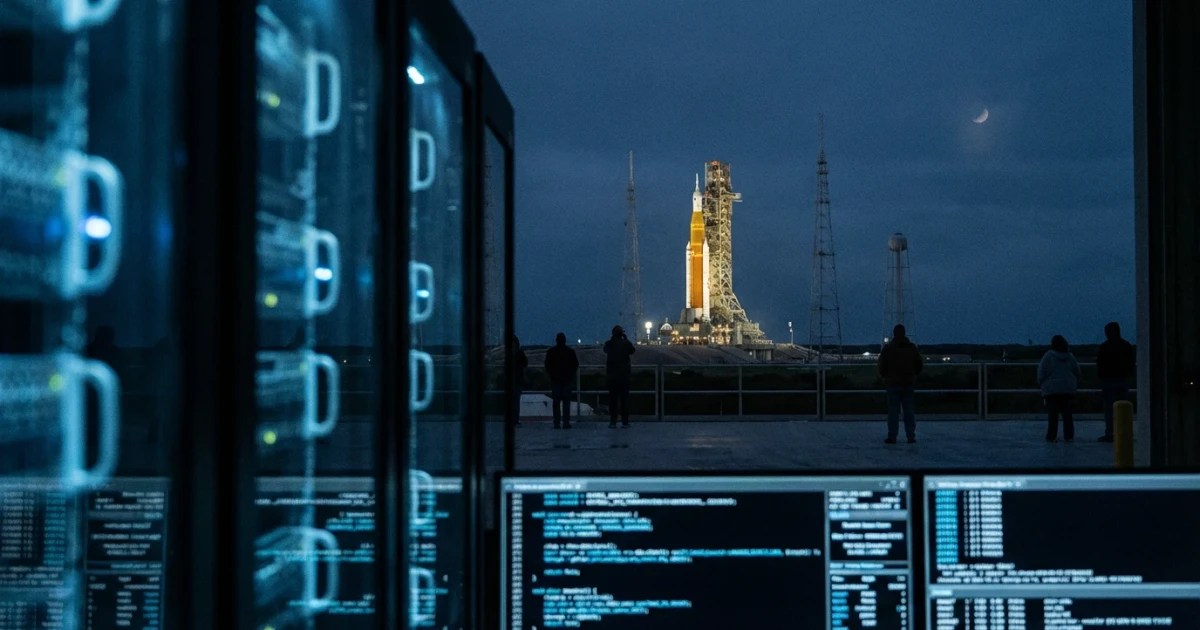
NASA is moving forward with its ambitious Artemis program, aiming to send astronauts to the Moon for the first time since the 1970s. Despite the technological advances and historic significance, recent reporting by The New York Times highlights a surprising trend: many Americans remain indifferent to these upcoming lunar missions.
The Legacy of Apollo and the Promise of Artemis
NASA’s Apollo program of the 1960s and 1970s was a defining moment in U.S. history, drawing intense national attention as it landed the first humans on the Moon in 1969. The Apollo missions were fueled by Cold War competition and captured the public imagination, with live broadcasts watched by millions. Apollo’s statistical achievements—including six successful lunar landings—set a high bar for future spaceflight programs.
Now, more than half a century later, the Artemis program seeks to build on that legacy by establishing a sustained human presence on the Moon and laying the groundwork for future missions to Mars. Artemis I already marked a significant milestone as an uncrewed test flight around the Moon, demonstrating NASA’s new Space Launch System and Orion spacecraft. The next slated missions, Artemis II and III, will return astronauts to lunar orbit and, eventually, the lunar surface.
Public Interest Remains Subdued
Despite these historic plans, The New York Times reports that Americans are not as captivated by Artemis as they were by Apollo. Surveys show that many U.S. adults are only vaguely aware of the program, and the excitement that surrounded the first Moon landing is noticeably absent today. Polling from the Pew Research Center backs this up: only a modest share of Americans now cite crewed lunar missions as a top priority for NASA, with most endorsing other goals such as monitoring climate change or defending against asteroid threats.
- Just 12% of U.S. adults in a recent survey said sending astronauts to the Moon should be a top priority for NASA.
- A larger share, 60%, support monitoring Earth’s climate as a key NASA mission.
- Other priorities include planetary defense and robotic exploration.
This gap in enthusiasm reflects broader changes in public attitudes toward space exploration, as well as competition with other pressing national concerns. Unlike in the Cold War era, the Artemis program lacks a singular geopolitical impetus, and private companies like SpaceX now compete for attention in the space sector.
Challenges and Opportunities Ahead
NASA faces significant hurdles in maintaining momentum for Artemis. According to a Government Accountability Office analysis, the program contends with technical risks, schedule delays, and escalating costs. Sustaining public and political support will be crucial as NASA aims to meet its ambitious lunar goals.
Program advocates argue that Artemis offers much more than a repeat of Apollo’s achievements. The program aims to land the first woman and first person of color on the Moon, establish a lunar Gateway outpost, and test technologies for human missions to Mars. These objectives underscore Artemis’s role in advancing science and exploration, even if they do not yet capture widespread public fascination.
Looking Forward
As NASA prepares for the next Artemis launches, the agency is focused on outreach and education to engage a new generation. Whether public interest will grow as the first crewed missions approach remains to be seen. For now, the Artemis program stands as a testament to American space leadership—moving forward, even if the spotlight is not as bright as it was during Apollo.