Science
NASA’s Artemis Moon Rocket: The Shuttle Engines Powering a New Lunar Era
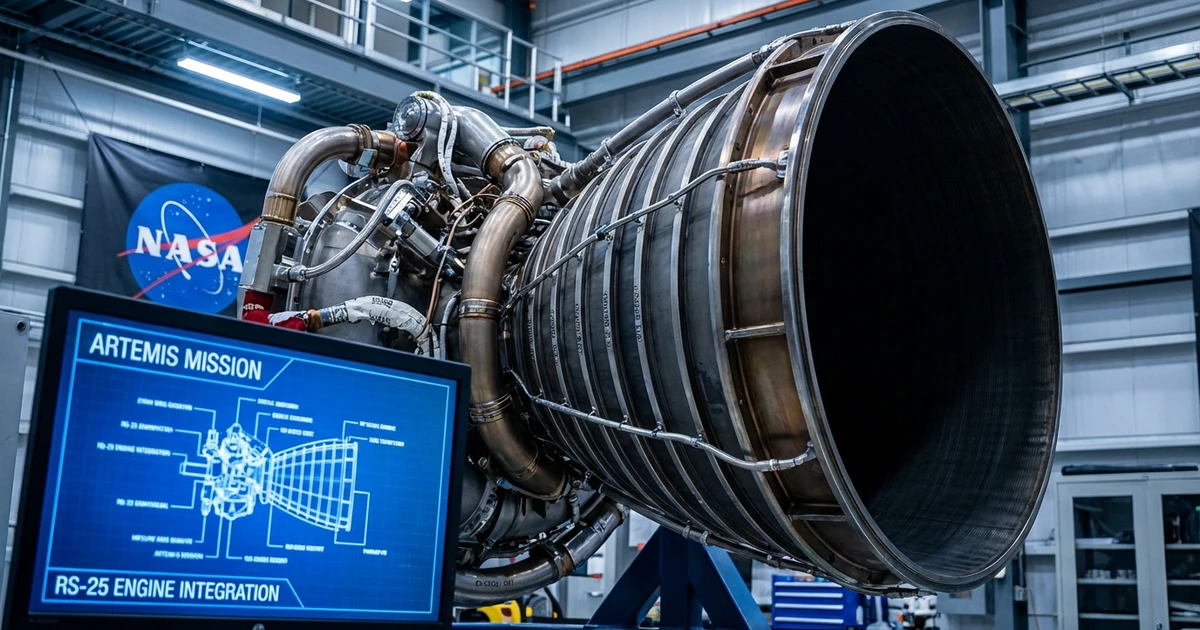
NASA is preparing for a historic return to the Moon with its upcoming Artemis mission, and at the heart of this bold endeavor lies a surprising piece of technology: the space shuttle main engines (SSMEs). As the world looks on, NASA’s next-generation Space Launch System (SLS) will rely on these veteran engines—once used to ferry astronauts to low-earth orbit—to propel a new era of lunar exploration. Yet, while the agency touts the engines’ proven track record, not everyone is convinced the plan is without significant risks.
The Legacy of Shuttle Engines in Artemis
The Artemis program aims to land astronauts on the Moon for the first time since Apollo, and the SLS rocket is central to this mission. The SLS’s core stage is powered by four RS-25 engines—upgraded versions of the main engines that once launched the Space Shuttle. These engines are not just similar to the ones used in past decades; they are, in fact, refurbished units with storied flight histories.
- Each RS-25 engine used on Artemis missions previously flew on multiple Shuttle flights, with some having powered launches as far back as the 1980s and 1990s.
- The engines have been modernized with updated controllers to improve reliability and integration with the SLS’s advanced systems.
- The decision to reuse these engines was driven by cost, proven performance, and the desire to leverage NASA’s extensive experience with the RS-25 design.
Why Rely on Refurbished Engines?
The Shuttle’s RS-25 engines are among the most tested and reliable rocket engines ever built, having accumulated over 1 million seconds of hot-fire experience during the Shuttle era. NASA engineers argue that these engines, with their robust construction and history of safe operation, provide a strong foundation for the Artemis program.
By retrofitting and upgrading these engines for SLS, NASA aims to balance the use of heritage technology with the demands of modern deep-space travel. The engines have been outfitted with new components, such as more efficient controllers and enhanced materials for withstanding the rigors of a lunar launch profile.
Safety Concerns and Public Debate
Despite NASA’s confidence in the RS-25 engines, the decision to use Shuttle-era technology has sparked debate within the aerospace community and beyond. Critics raise questions about the risks of relying on hardware designed for a different era and mission profile, as well as the challenges of integrating legacy components with new infrastructure.
Some engineers and observers point out that while the shuttle engines have an impressive safety record, the conditions of a Moon mission—higher thrust requirements, longer burns, and different staging—could introduce new stresses. Others worry about the long-term sustainability of relying on a finite supply of Shuttle engines, since once the existing stockpile is exhausted, NASA will need to transition to newer designs.
The Path Forward: Innovation and Heritage
For NASA, Artemis is as much about honoring the agency’s legacy as it is about forging ahead. The SLS’s use of RS-25 engines symbolizes a continuation of American human spaceflight expertise, linking past achievements with future ambitions. As Artemis I prepares for launch, engineers continue to monitor and test the engines extensively, seeking to ensure that safety and reliability remain at the forefront.
Ultimately, the world will be watching as NASA’s next Moon rocket lifts off on the power of Shuttle engines—embodying both the promise and challenges of blending heritage with innovation. Whether this approach will safely and successfully return astronauts to the lunar surface remains to be seen, but it is certain to shape the next chapter in space exploration.
For more information on Artemis and the Space Launch System, visit the official NASA SLS page.
Sources
- [1]Gizmodo