Science
NASA’s Astronomy Picture of the Day Inspires Global Curiosity
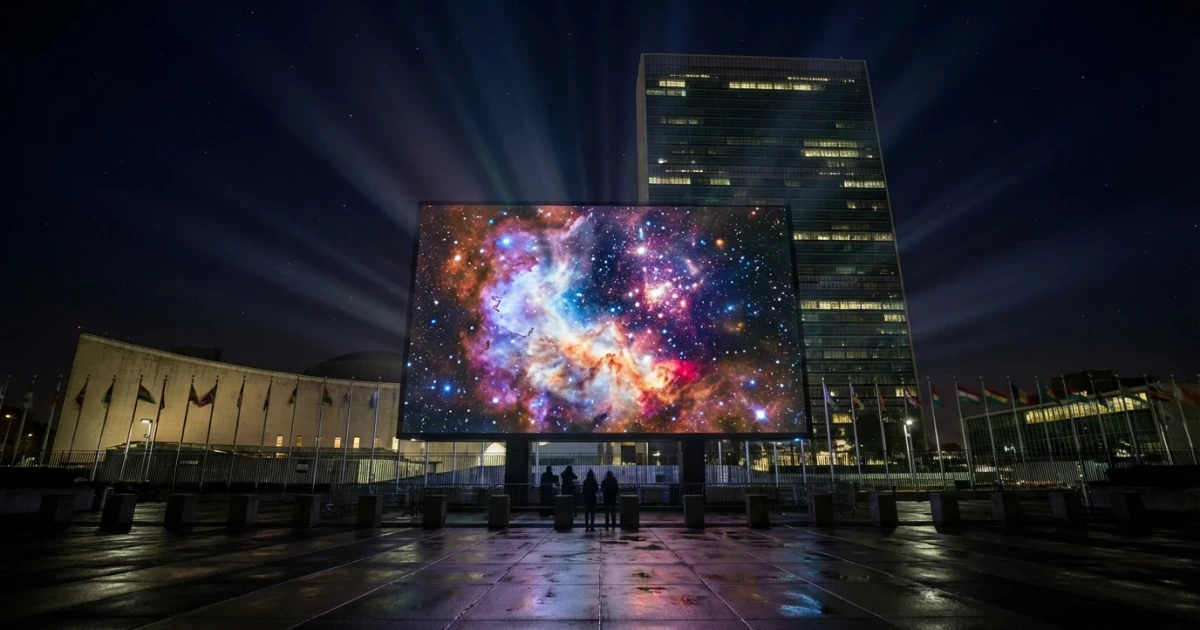
NASA’s Astronomy Picture of the Day (APOD) remains one of the agency’s most popular initiatives, offering a daily window into the universe and fueling public fascination with astronomy. Since its inception in 1995, APOD has provided a new image or photograph of our cosmos each day, accompanied by a brief explanation written by a professional astronomer.
How APOD Works
The APOD archive houses thousands of images, ranging from breathtaking shots of planets and galaxies to artist-rendered visualizations of astronomical phenomena. Each entry is curated by NASA and features insightful commentary to help viewers understand the science and significance behind the visual.
- Daily images showcase phenomena like supernovas, nebulae, eclipses, and more.
- Explanatory text is provided by experts in the field, making complex concepts accessible to a general audience.
- The archive is fully searchable, enabling users to explore astronomy topics by date, subject, or keyword.
Educational and Scientific Impact
APOD’s reach extends beyond stunning visuals; it plays a vital role in astronomy education worldwide. Teachers, students, and enthusiasts utilize APOD images and explanations to supplement lessons, spark curiosity, and instill a deeper appreciation for the universe. The project’s explanations often link to further data, such as research by the Hubble Space Telescope or high-energy astrophysics mission archives, allowing interested readers to delve even deeper into scientific analysis.
- Educational institutions incorporate APOD images into learning modules.
- Researchers reference APOD to illustrate recent discoveries and missions.
- The project has inspired countless amateur astronomers and science communicators.
Public Engagement and Community Involvement
APOD’s global audience contributes to its success, with readers frequently submitting their own photographs and questions. The project’s curators—professional astronomers—select and comment on images sent from observatories, telescopes, and amateur cameras around the world. This interactive approach not only democratizes astronomy but also encourages international participation in space exploration.
According to the SkyView Virtual Observatory, many APOD images are generated using data from multiple missions, giving viewers access to a broad spectrum of astronomical perspectives and technologies.
Access to Data and Further Exploration
For those eager to explore beyond the daily picture, NASA provides extensive resources:
- The NASA Image Gallery offers a searchable database of images, including metadata and context.
- The HEASARC Data Archive enables users to access raw datasets from high-energy astrophysics missions.
These resources empower scientists and enthusiasts alike to conduct their own analyses or simply marvel at the universe’s beauty.
Looking Forward
As technologies advance and humanity’s reach into space extends, NASA’s Astronomy Picture of the Day is poised to remain a cornerstone of public science engagement. With its blend of visual wonder and reliable scientific context, APOD continues to bridge the gap between professional astronomers and the general public, inspiring the next generation of explorers and learners.