US News
NASA’s Deep Space Network strained as Artemis missions push limits
Artemis II brought Reid Wiseman, Victor Glover, Christina Koch and Jeremy Hansen back from a 9-day, 1-hour, 32-minute voyage that carried them 252,756 miles from Earth at its farthest point and splashed down in the Pacific Ocean off San Diego on April 10, 2026. The April 1 launch made it the first crewed trip beyond low Earth orbit since Apollo 17 in 1972, and NASA relied on both the Near Space Network and the Deep Space Network to keep the mission connected.
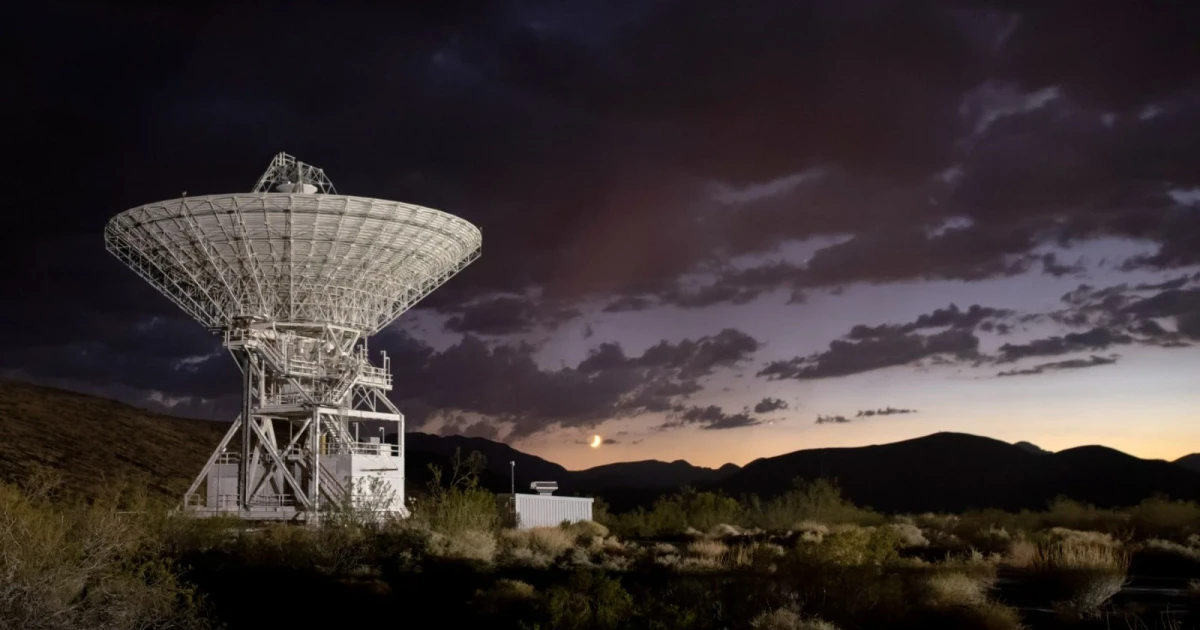
That success rested on a communications system already under sustained strain. NASA’s Deep Space Network, managed by the Jet Propulsion Laboratory, transmits scientific and communications data between dozens of spacecraft and Earth through 14 operational antennas across sites in California, Spain and Australia. The NASA Office of Inspector General has said demand has exceeded supply by as much as 40 percent at times, and that by early 2030 DSN support demand is expected to rise by a factor of 10.
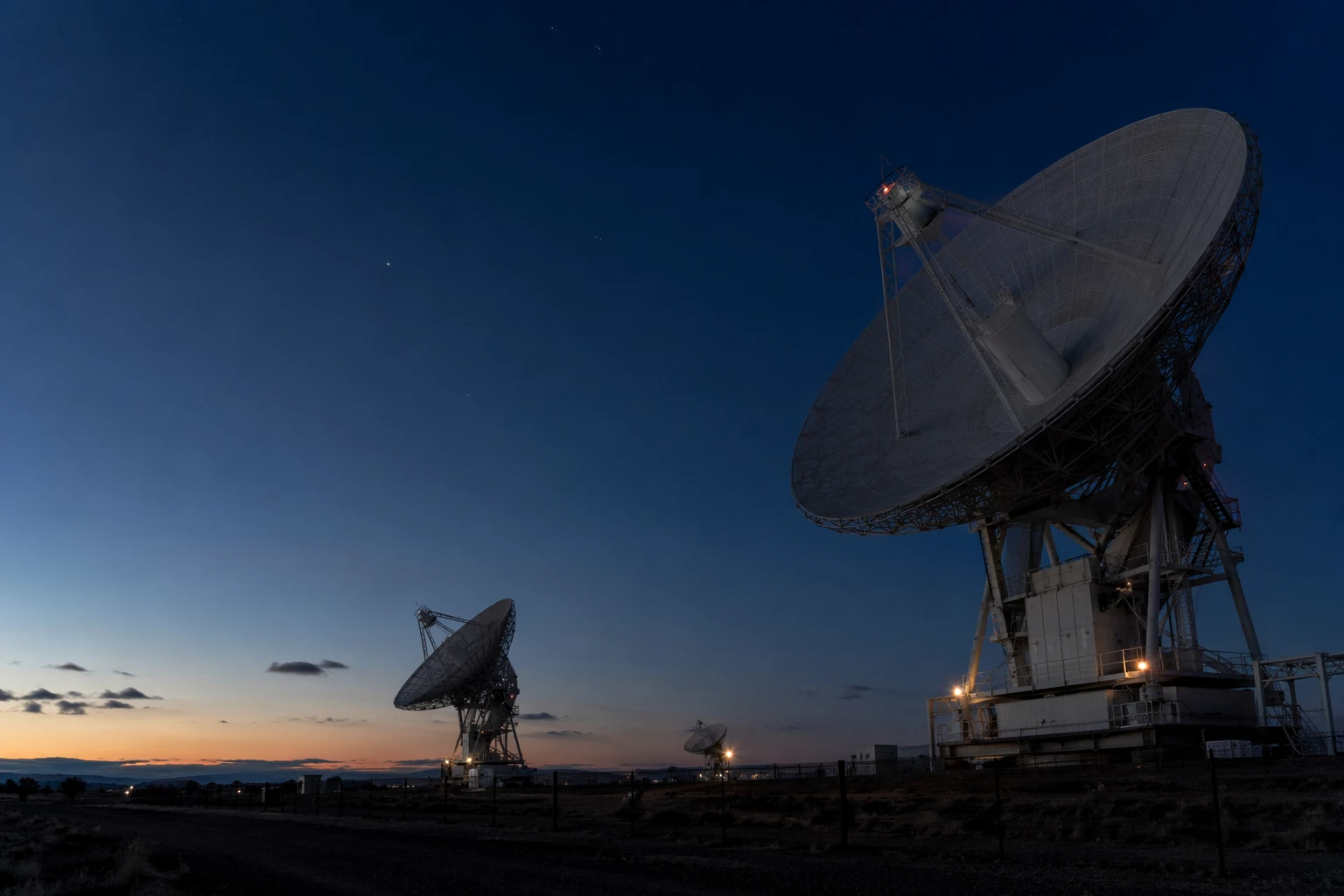
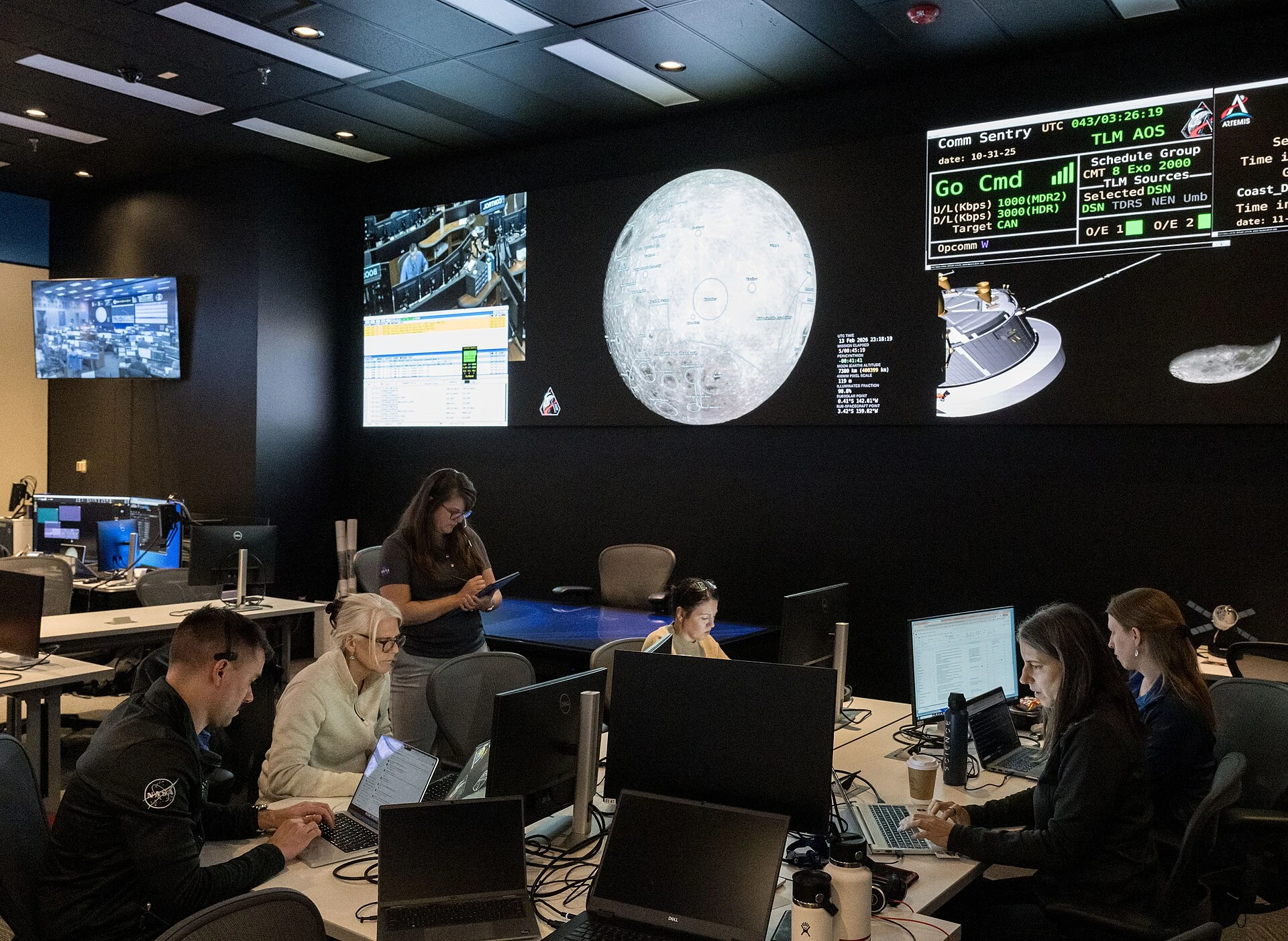
The pressure is not theoretical. Artemis I, the uncrewed 2022 test flight that preceded Artemis II, required more than 900 hours of DSN support over 25 days and suffered a temporary loss of in-flight communications. NASA’s Artemis communications materials framed the lunar flyby as a test of how mission control in Houston, Texas, could coordinate handoffs among global antennas and relay satellites as spacecraft moved through deep space. The lesson was clear: the network worked, but only with little room to spare.
NASA is trying to widen that margin, yet one of its main modernization efforts has fallen behind. The DSN Aperture Enhancement Project began in 2010, but by fiscal 2023 it was nearly five years behind schedule and its cost had risen 68 percent to $706 million. Ken Bowersox has said robust space communications are essential for safety and mission success, a point that now extends far beyond a single lunar mission. As NASA pushes toward more crewed Moon landings and eventual Mars flights, the network that supported Artemis II will have to carry more missions, more data and more risk unless upgrades catch up with launch ambitions.
Sources
- [1]arstechnica.com
- [2]oig.nasa.gov
- [3]nasa.gov