Science
NASA's Roman Space Telescope arrives in Florida ahead of launch
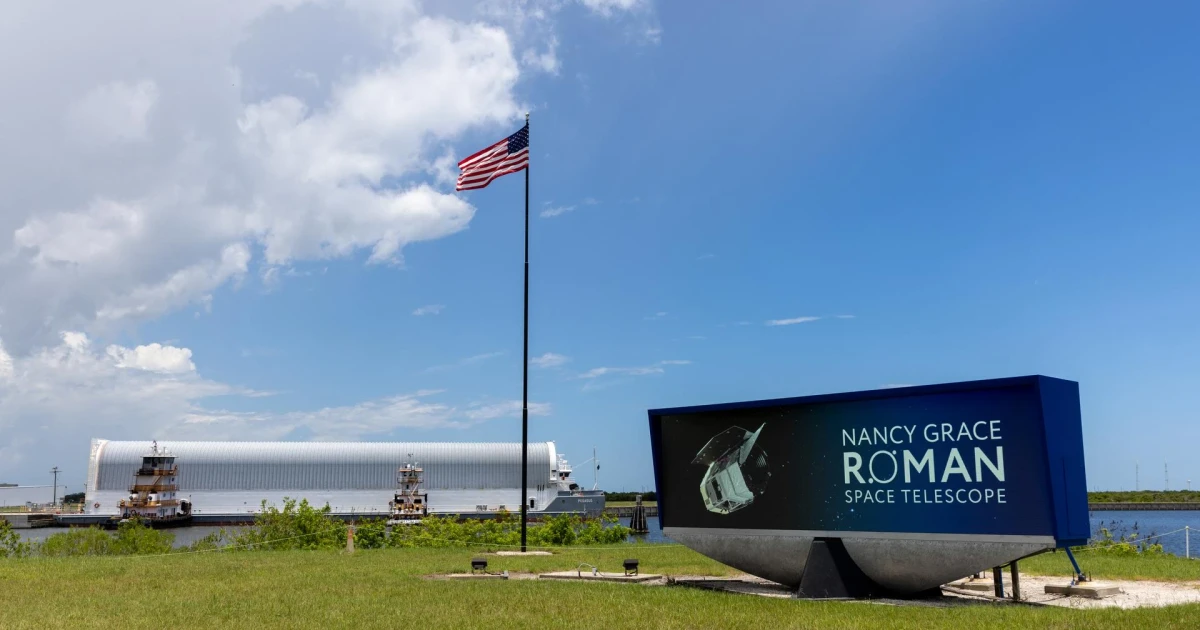
NASA’s next great observatory is now in Florida, where technicians will prepare the Nancy Grace Roman Space Telescope for a Falcon Heavy launch targeted for Aug. 30. The nearly 18,000-pound spacecraft arrived at Kennedy Space Center on June 21 after a carefully choreographed trip from NASA’s Goddard Space Flight Center in Maryland.
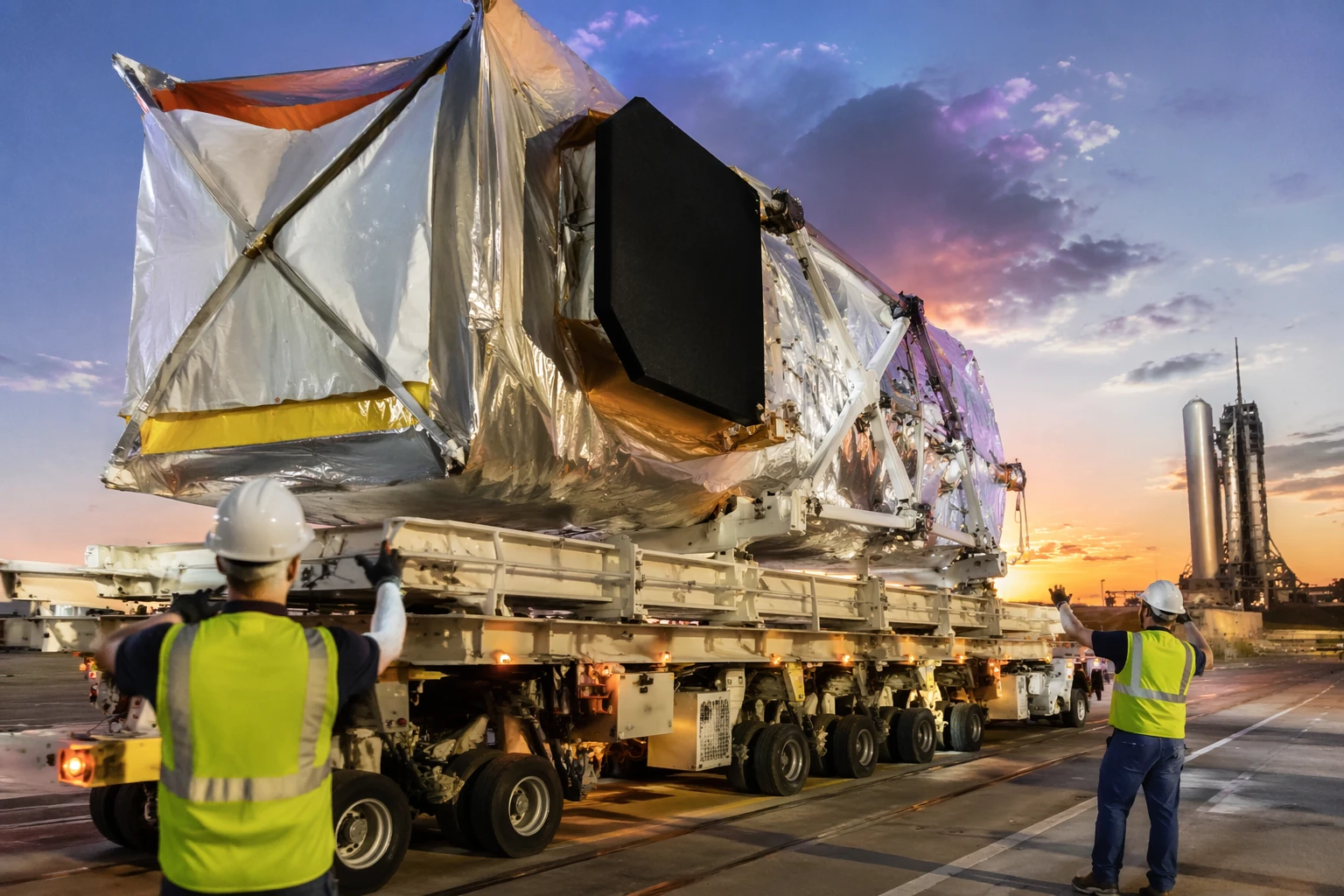
The telescope was shipped after integration and testing were completed, loaded into a protective container, moved to Baltimore and then carried to Florida aboard NASA’s Pegasus barge. Once at Kennedy, crews offloaded the observatory and brought it to the Payload Hazardous Servicing Facility, where it will undergo cleaning and additional handling before final launch work. The move is more than a shipping milestone: it places Roman at the point where a long engineering campaign begins turning into a launch countdown.
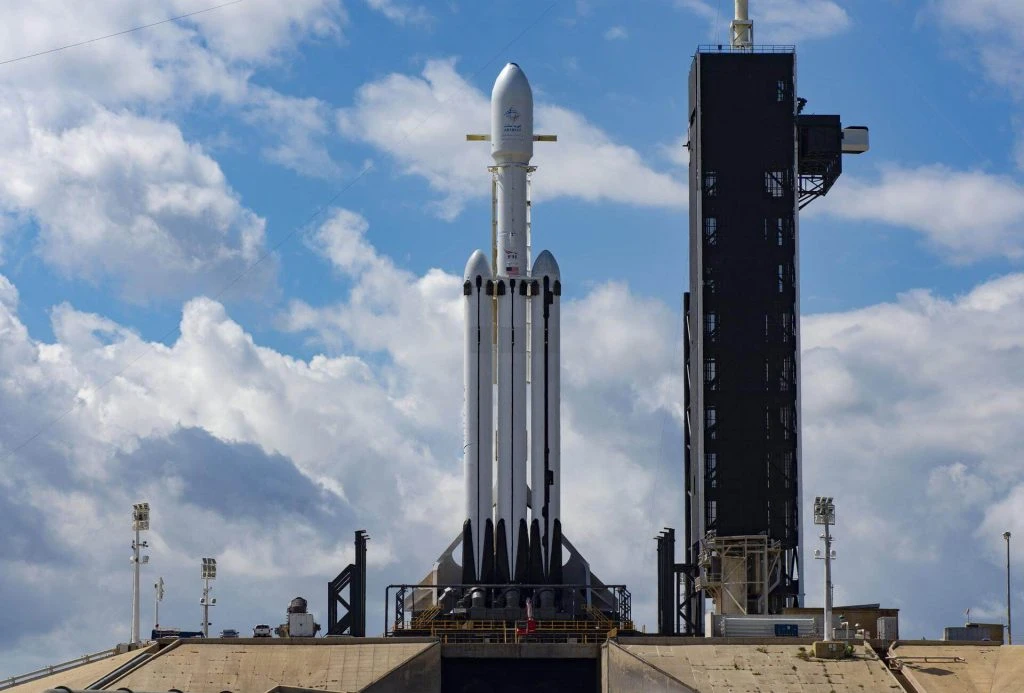
That countdown now points to Launch Complex 39A, where NASA is targeting launch no earlier than Sunday, Aug. 30, 2026, on a SpaceX Falcon Heavy rocket. After reaching space, Roman will head to the second Sun-Earth Lagrange point, or L2. NASA says the mission is about eight months ahead of its required launch readiness date of May 2027, with a five-year primary mission and the possibility of a five-year extension.
Roman was fully assembled on Nov. 25, 2025, when technicians joined its inner and outer sections at Goddard in Greenbelt. More than a thousand technicians and engineers built the observatory from millions of individual components, then subjected it to sound, vibration and thermal-vacuum tests to confirm it could survive launch and operate in space. NASA says the telescope passed all three trials before shipment to Florida.
The mission is designed to do what Hubble and Webb cannot do at scale. Roman’s 300-megapixel Wide Field Instrument has a field of view at least 100 times larger than Hubble’s and can survey the sky up to 1,000 times faster while maintaining similar sensitivity and infrared resolution. NASA says that breadth will let Roman attack some of astronomy’s hardest questions, from dark energy and dark matter to exoplanets, galaxy formation and objects across the observable universe.
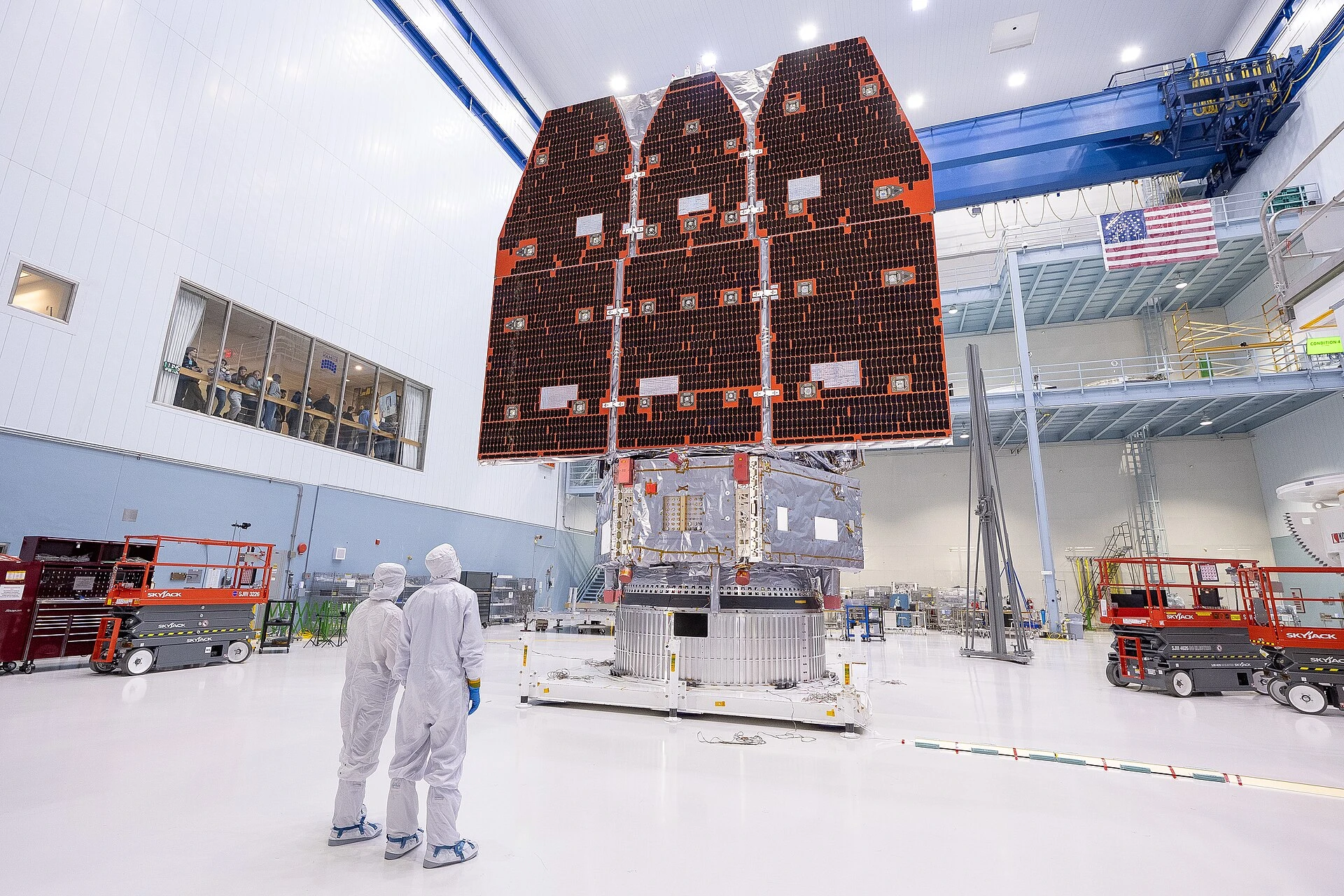
The science case is as ambitious as the hardware. NASA says Roman could potentially measure light from a billion galaxies over its lifetime, and scientists expect it to reveal around 100,000 worlds, far beyond the nearly 6,300 exoplanets found so far with NASA missions and other observatories. At the Payload Hazardous Servicing Facility, a 40-year-old clean-room and hazardous-operations complex upgraded for Roman with a replacement air-shower system, the final phase of that bet has begun.
Sources
- [1]science.nasa.gov
- [2]nasa.gov