Science
NASA’s Roman telescope could spot ancient supermassive black holes
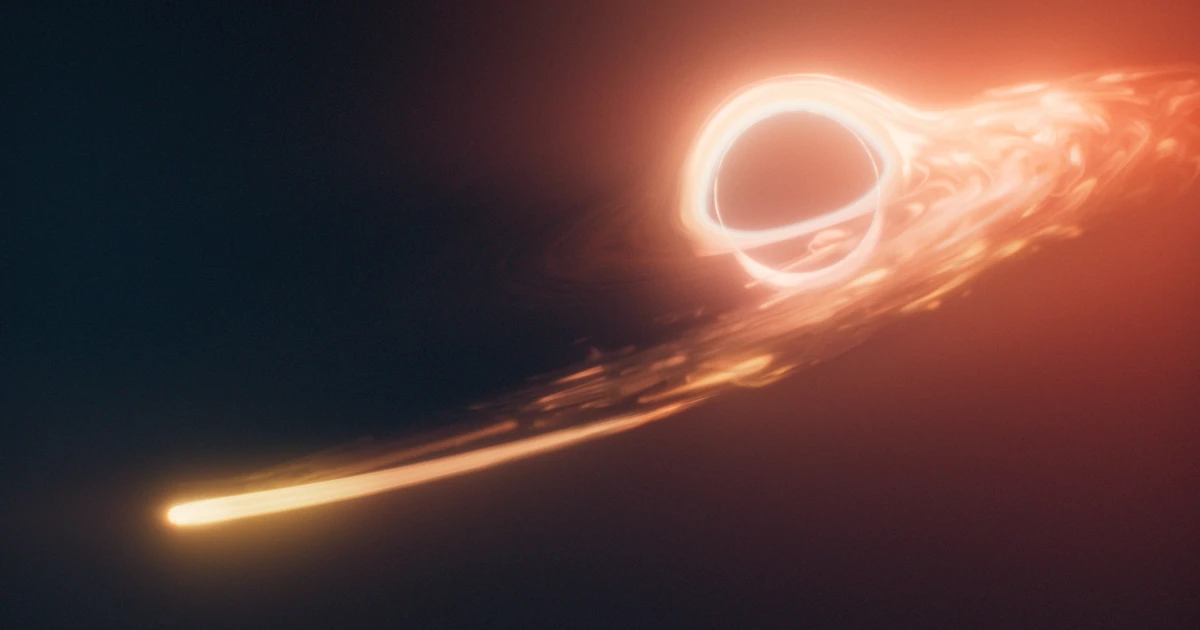
The Nancy Grace Roman Space Telescope will be able to pick out ancient supermassive black holes by catching the bright flares they produce when they tear apart stars. The observatory is on track to launch on August 30, 2026, and its field of view will be at least 100 times larger than Hubble’s, letting it survey huge stretches of sky for rare events that current telescopes can miss.
Light from black holes in the early universe is often too faint to see directly unless the object flares dramatically. In a tidal disruption event, or TDE, a black hole rips a star apart and the debris briefly brightens enough to be seen across enormous distances. Those outbursts can reveal black hole physics during rare feeding episodes, and the lighter end of the supermassive-black-hole population is especially useful because it is usually dim, then can briefly outshine its host galaxy when it feeds.
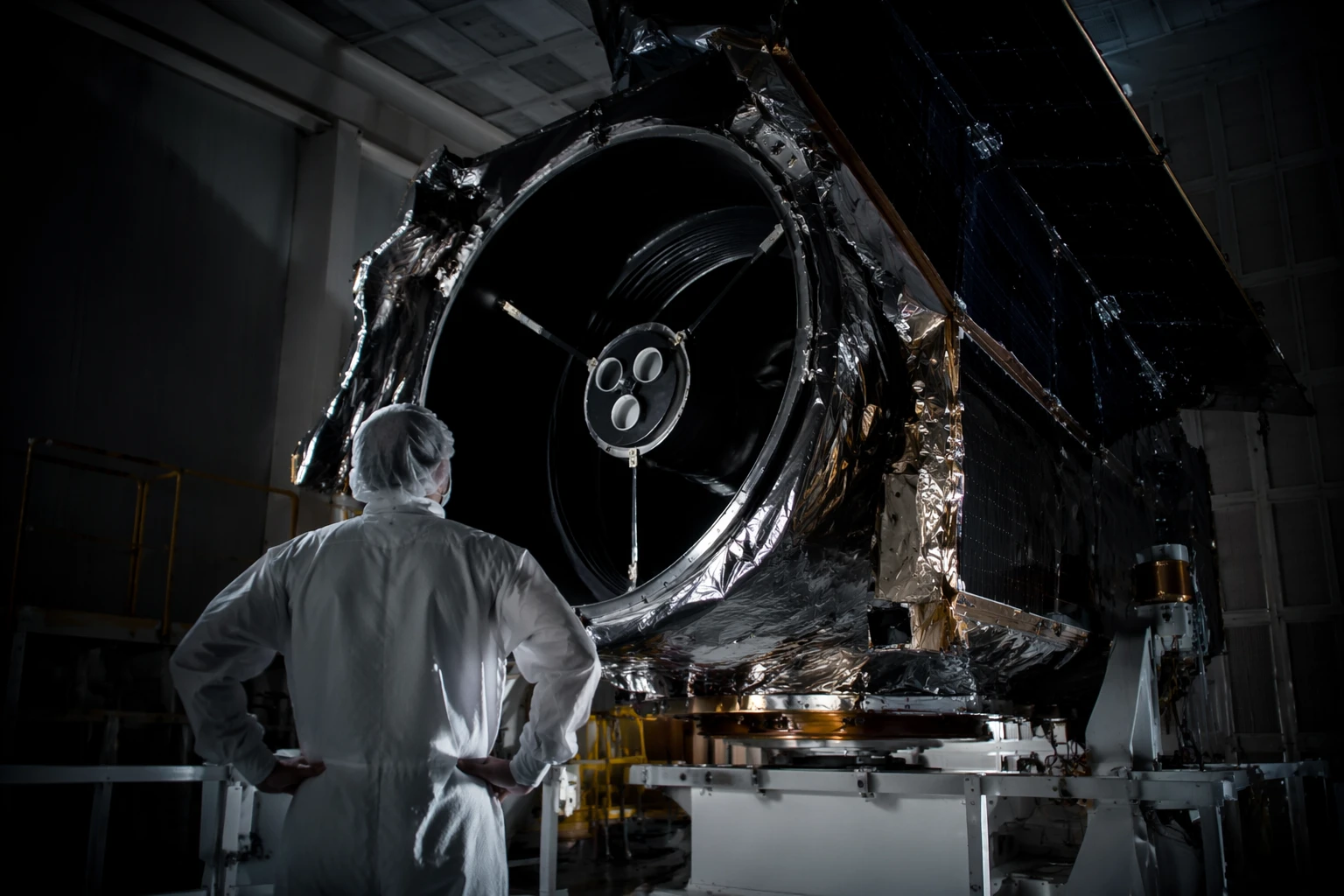
Roman’s High-Latitude Time-Domain Survey is built for that kind of hunt. The main component will cover more than 18 square degrees of sky, about the size of 90 full moons, and revisit the same regions repeatedly. The survey is designed primarily to study cosmic acceleration through Type Ia supernovae, but the cadence also makes it well suited to catch flashes as they rise and fade. The main component will see supernovae up to about 8 billion years ago, while smaller areas within the survey may reach back to when the universe was around a billion years old. Roman’s technical survey plan includes core, pilot and extended components, with deep co-added imaging and spectroscopy over areas 1 to 2 orders of magnitude larger than comparably deep Hubble imaging.
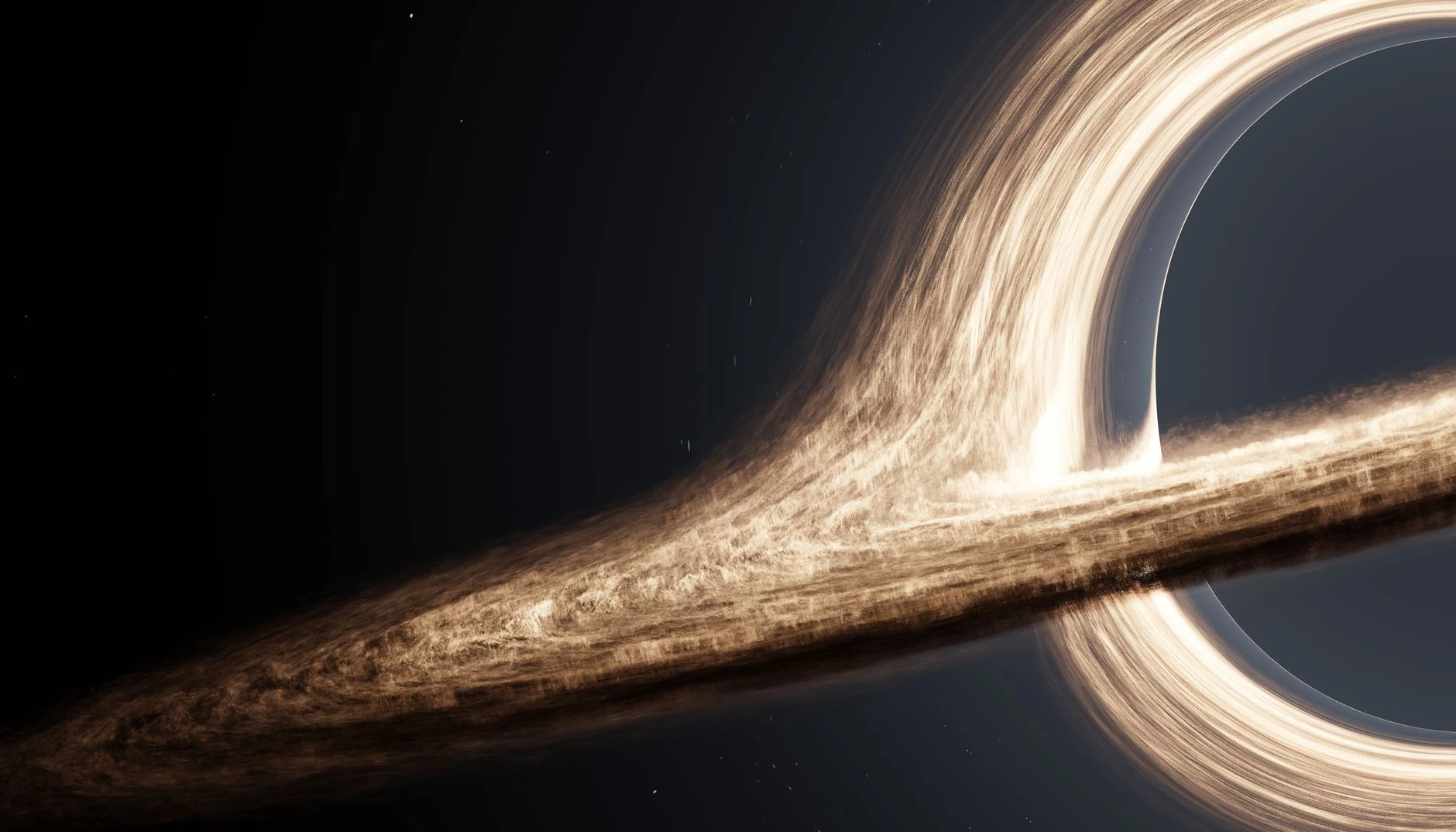
The new work, published in The Astrophysical Journal and submitted to arXiv on February 4, 2026, models TDE rates across cosmic time for LSST, Roman and the James Webb Space Telescope. Mitchell Karmen, a Johns Hopkins University graduate student and National Science Foundation Graduate Research Fellow, said Roman will be “transformative for transient science” and should reveal multiple TDEs farther away and earlier in cosmic time than any telescope before it. Johns Hopkins astronomy professor Suvi Gezari, who has studied TDEs with GALEX, Pan-STARRS1, iPTF and ZTF, included the Vera C. Rubin Observatory and Roman as key tools for finding these outbursts.
Sources
- [1]nasa.gov
- [2]science.nasa.gov
- [3]physics-astronomy.jhu.edu
- [4]arxiv.org