Science
NASA’s SLS Rocket Faces Ongoing Hydrogen Leak Challenges
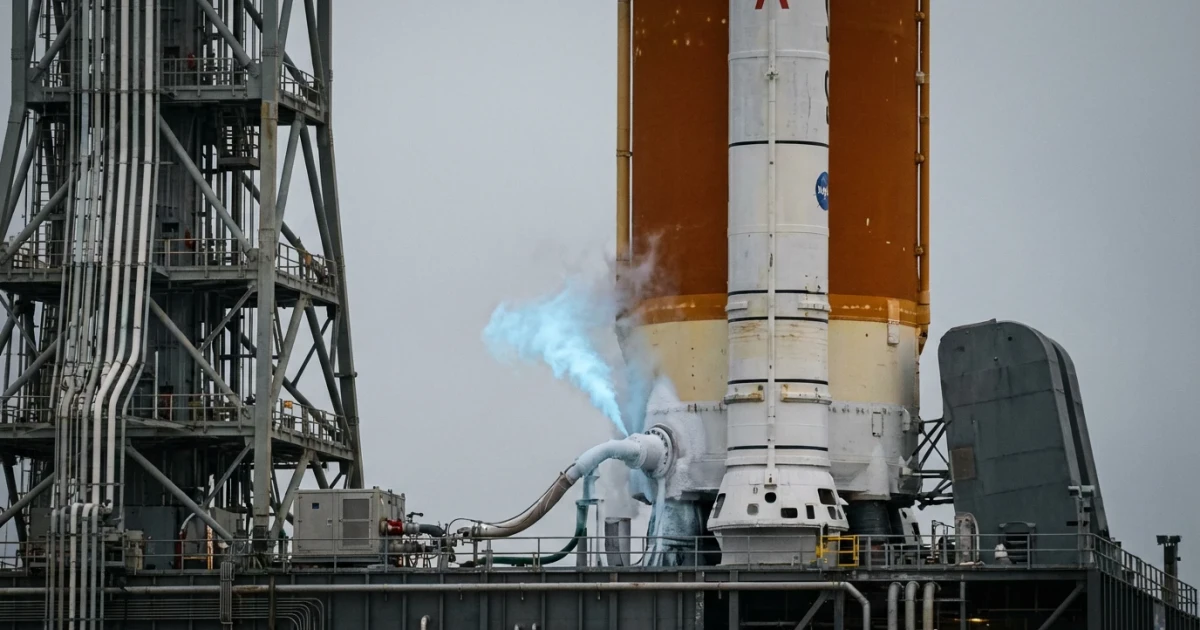
NASA’s Space Launch System (SLS), the centerpiece of the Artemis program aiming to return humans to the Moon, has once again faced setbacks due to persistent hydrogen leaks. Despite three years of focused engineering efforts, the agency continues to grapple with fueling issues that have repeatedly delayed launches and raised concerns about the rocket’s long-term reliability.
Recurring Hydrogen Leaks at the Launchpad
Recent launch attempts for Artemis I have been hampered by a familiar problem: leaks in the liquid hydrogen fueling system. According to Gizmodo, these leaks have become a recurring hurdle since the early tests of the SLS. Each time NASA prepares for a major launch, engineers closely monitor the propellant lines, but episodes of hydrogen seeping from critical connections have forced multiple scrubs, echoing challenges from previous missions.
Despite official records documenting several launch attempts and technical interventions, the hydrogen leak issue has not been fully resolved. This persistent problem is not just an inconvenience—it highlights the complexity of working with super-cold liquid hydrogen, which must be pumped into the rocket’s massive tanks at temperatures near minus 423 degrees Fahrenheit.
Engineering Complexities and Troubleshooting Efforts
Nitrogen and hydrogen molecules are notoriously difficult to contain, especially under the extreme pressures and low temperatures required for space flight. NASA’s Space Launch System Fact Sheet details the advanced propellant transfer systems used by SLS, but even minor imperfections in seals or valves can result in leaks.
Over the past three years, NASA has conducted a series of wet dress rehearsals and launch countdown simulations, each revealing new data on leak rates and system vulnerabilities. Engineers have replaced seals, upgraded connectors, and adjusted fueling procedures in an ongoing effort to mitigate these issues. NASA’s own investigations provide insight into the recurring challenges, suggesting that while incremental improvements have been made, a comprehensive solution remains elusive.
Impact on Artemis Mission Timeline
The repeated delays caused by hydrogen leaks have had a significant impact on the Artemis program’s schedule. Each scrubbed launch or extended troubleshooting session adds pressure on NASA to maintain momentum and public confidence as it aims for ambitious lunar goals. The agency’s hydrogen leak history documents a clear pattern of setbacks, with lessons learned from each incident feeding into future launch preparations.
- Multiple launch attempts for Artemis I delayed by hydrogen leaks since 2022
- Significant engineering hours dedicated to identifying and fixing leak sources
- Ongoing adjustments to fueling procedures and hardware based on recent findings
These technical delays not only affect individual missions but also the broader timeline for Artemis II and subsequent crewed lunar landings. As NASA refines its approach, any improvements in SLS reliability will be critical for future exploration efforts.
Underlying Causes and Future Solutions
Hydrogen’s small molecular size makes it especially prone to escaping through tiny gaps—a problem compounded by the extreme thermal cycles experienced during rocket fueling. NASA has explored a range of mitigation strategies, from improved seal materials to revised propellant loading protocols.
While the agency has made progress in tracking and reducing leaks, the recurring nature of the problem suggests that more extensive redesigns or new technologies may be required. The SLS program’s technical documentation and engineering reports offer detailed analyses for those seeking to understand the scope and intricacy of the challenge.
Looking Ahead
As NASA prepares for future Artemis launches, the lessons learned from ongoing hydrogen leak issues will shape both immediate procedures and long-term engineering priorities. Ensuring the SLS rocket can reliably contain and utilize its powerful, volatile propellant is essential for meeting the ambitious goals of lunar exploration and beyond. Persistent technical hurdles serve as a reminder of the difficulties inherent to human spaceflight, even as each attempted fix brings NASA one step closer to a sustainable solution.