Science
NASA’s Underwater Training Objects Spark Curiosity
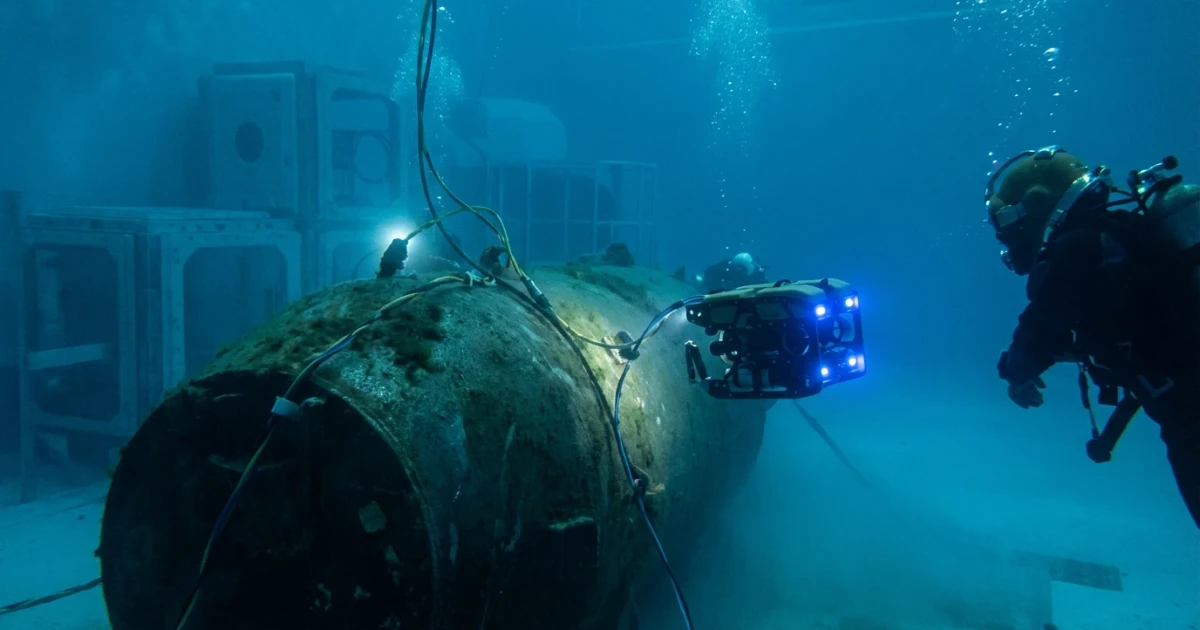
A recent photograph of a mysterious underwater object taken by US Navy divers for NASA has captured public imagination, shedding light on the little-known world of underwater astronaut training and the equipment used to simulate space missions.
How NASA Uses Underwater Training for Space Preparation
NASA has long relied on underwater environments to simulate the challenges of space, leveraging facilities like the Neutral Buoyancy Laboratory (NBL) in Houston. The NBL features a massive pool—measuring 202 feet long, 102 feet wide, and 40 feet deep, containing 6.2 million gallons of water—where astronauts practice complex tasks in conditions that mimic microgravity. This essential step in mission preparation allows crews to rehearse spacewalks, equipment handling, and emergency procedures in a controlled, yet challenging, environment.
Beyond the NBL, NASA’s underwater astronaut training also includes missions in real ocean settings through programs like NEEMO (NASA Extreme Environment Mission Operations). Here, astronauts and US Navy divers live and work in underwater habitats for days or weeks, testing technologies and procedures intended for space exploration.
The "Creepy Underwater Thing"—What Is It?
The object in question, photographed by US Navy divers, is one of several specialized underwater training modules and tools used by NASA to simulate tasks astronauts will encounter in orbit or on planetary surfaces. These objects, ranging from mockup satellite parts to experimental habitats, are designed to challenge astronauts in ways that closely resemble the physical and psychological demands of space missions.
- Training modules often mimic sections of the International Space Station or lunar habitats, allowing for realistic task sequences.
- Specialized equipment includes replica tools, mock satellites, and even life-support systems for underwater testing.
- High-tech sensors and video monitoring help trainers evaluate astronauts’ performance and refine procedures for real missions.
The "creepy" appearance of some of these objects, as seen in the recent photograph, is often a byproduct of their functional design. Built for durability and realism rather than aesthetics, these objects can be bulky, weathered, and sometimes overgrown with marine life during extended underwater deployments.
Collaborative Efforts with US Navy Divers
US Navy divers play a crucial role in supporting NASA’s underwater training operations, providing expertise in underwater construction, safety, and logistics. The partnership ensures that training environments remain as safe and realistic as possible, whether in the controlled confines of the NBL or during offshore NEEMO missions.
According to the official NEEMO 21 Mission Report, joint missions between NASA and Navy teams have enabled the development and testing of underwater habitats, robotic systems, and procedures for crewed deep-space exploration. These operations have supported:
- Simulation of spacewalks on the sea floor, preparing astronauts for extravehicular activity.
- Testing of new life-support and communication systems in harsh, isolated conditions.
- Evaluation of psychological and physical health during extended missions in confined environments.
Why Underwater Training Matters for Space Exploration
Underwater environments offer unique challenges that closely parallel those found in space, such as limited mobility, communication delays, and the need for precise teamwork. NASA’s underwater training programs have been instrumental in preparing astronauts for missions to the International Space Station, the Moon, and eventually Mars.
The use of realistic, sometimes "creepy" underwater objects ensures that astronauts are ready to face the unexpected—whether handling malfunctioning hardware or adapting to new mission requirements. The NEEMO program overview details how these missions help NASA refine its equipment, procedures, and crew selection for the rigors of deep space exploration.
Looking Ahead
As images like the one recently shared by US Navy divers continue to intrigue the public, they also highlight the intense preparation that goes into every NASA mission. With future goals including lunar bases and Mars expeditions, underwater training—and the mysterious objects used within—will remain a cornerstone of astronaut readiness for years to come.