Business
Nasdaq Futures Gain as Oil Prices Climb Amid Middle East Tensions
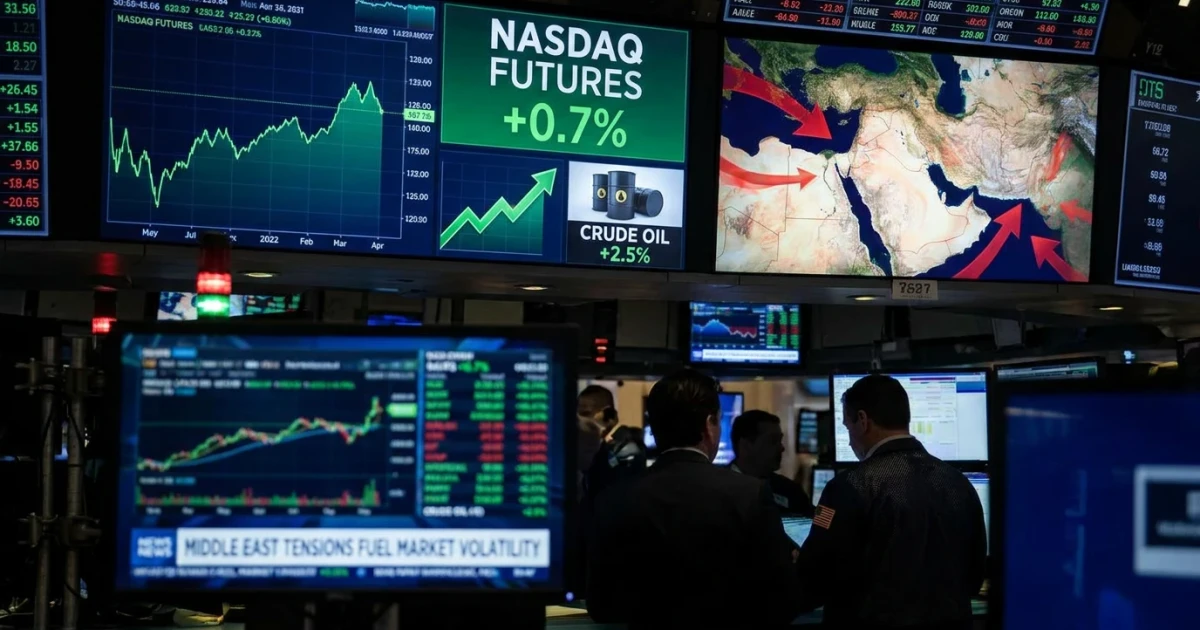
Nasdaq futures edged higher Monday morning, as investors navigated a volatile landscape after a series of military exchanges between Iran and Israel sent oil prices surging and prompted mixed performance across major U.S. stock indices. The confluence of geopolitical tensions and market reactions underscores the sensitivity of financial markets to developments in the Middle East.
Nasdaq Futures Move Higher Amid Uncertainty
Futures tracking the Nasdaq 100 showed modest gains in pre-market trading, reflecting cautious investor optimism despite ongoing global uncertainties. The Wall Street Journal reported that, while the Nasdaq signaled upward momentum, the Dow Jones Industrial Average and S&P 500 displayed mixed results, highlighting divergent sector responses to the latest geopolitical developments.
- Nasdaq futures advanced in pre-market, suggesting tech stocks may lead the day’s gains.
- The Cboe Nasdaq Market Statistics show recent increases in trading volume and volatility, particularly in technology and energy sectors.
Oil Prices Surge Following Iran-Israel Strikes
Energy markets reacted sharply to reports of military strikes exchanged between Iran and Israel, with WTI crude oil and Brent crude prices both climbing. The escalation has intensified supply concerns, driving renewed investor interest in energy assets and creating ripple effects throughout financial markets.
- WTI crude oil prices rose sharply, reflecting fears of disrupted supply in a region critical to global oil production.
- Brent crude followed suit, with significant intraday gains, as traders assessed potential impacts on shipments through key waterways.
- According to a recent S&P Global Commodity Insights analysis, tensions in the Middle East have historically contributed to spikes in oil market volatility and price fluctuations.
Broader Market Reaction
The Wall Street Journal noted that the Dow and S&P 500 were less decisive, with some sectors benefiting from higher energy prices while others faced pressure from increased uncertainty. Defensive sectors such as utilities and consumer staples showed relative stability, while technology and energy stocks experienced the most pronounced swings.
Geopolitical Tensions Add to Market Volatility
Escalating hostilities between Iran and Israel have raised investor concerns about broader conflict in the region, which could further disrupt energy markets and global supply chains. This environment has led to heightened demand for safe-haven assets and increased price swings in both equities and commodities.
- Volatility in E-mini Nasdaq-100 futures has intensified, reflecting uncertainty about the conflict’s duration and potential impact.
- Investors are closely monitoring statements from U.S. officials and OPEC members for signs of response or intervention.
- Interest rates and Federal Reserve policy remain additional variables in the market outlook, with energy-driven inflation potentially influencing future central bank decisions.
Looking Ahead
As the situation develops, market participants are bracing for continued volatility, with geopolitical risk now a central focus alongside traditional economic indicators. The interplay between energy prices, global conflict, and investor sentiment will likely dictate market direction in the days ahead.
For the latest data on oil prices, market statistics, and interest rates, readers can monitor resources such as the Nasdaq 100 Index, U.S. Energy Information Administration, and Federal Reserve H.15 rates.