Lifestyle
Nasi Kandar and South Indian Mess Eateries Eye Singapore Market Gaps
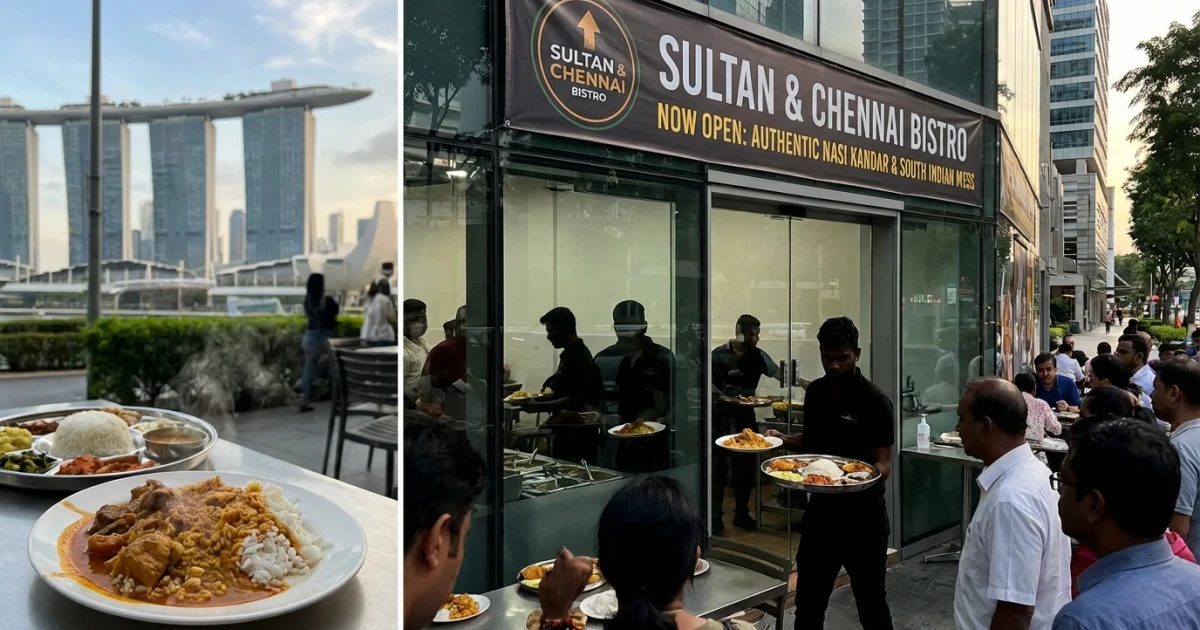
Nasi kandar and South Indian mess-style restaurants are increasingly setting their sights on the Singapore food scene, targeting gaps in the market with their distinctive culinary offerings. This trend comes as Singapore’s food and beverage landscape continues to evolve, welcoming diverse concepts that cater to changing consumer tastes and untapped demand.
Expanding Culinary Diversity in Singapore
Singapore’s food service industry has long been recognized for its diversity and dynamism. According to the Singapore Food and Beverage Services Industry Survey 2022, the sector includes thousands of establishments ranging from hawker stalls to international restaurant chains, contributing significantly to the nation’s economy and employment.
Despite this variety, industry observers note that certain market segments remain underserved, particularly those specializing in regional South Asian cuisines. This has created opportunities for operators of nasi kandar and South Indian mess-style restaurants, which offer robust, flavorful dishes typically found in Malaysia and southern India, respectively.
Filling Market Gaps with Unique Offerings
Nasi kandar, a Malaysian concept known for its aromatic rice dishes paired with a range of curries and side items, has historically had a limited presence in Singapore. Similarly, South Indian mess-style restaurants serve authentic meals on banana leaves, focusing on home-style preparations and communal dining experiences that differ from mainstream Indian eateries.
- Nasi kandar outlets are attracting both Malaysian expatriates and local diners seeking authentic flavors not widely available elsewhere.
- South Indian mess-style restaurants are introducing set meals and rotating menus, reminiscent of traditional eateries in cities like Chennai and Penang.
These restaurants are leveraging food retail statistics that highlight demand for specialized dining experiences and the growing appetite among Singaporeans for diverse cuisine options.
Business Strategies and Industry Trends
Business operators are employing various strategies to establish their presence and attract a loyal customer base. Some focus on high-traffic areas with large South Asian communities, while others prioritize authentic recipes and ingredients to differentiate themselves from generic Indian restaurants.
The Retail Industry Transformation Map (ITM) 2025 identifies gaps in the market for niche and heritage cuisines, supporting the notion that such concepts are well-positioned for growth. The ITM also encourages digitalization and innovation, trends reflected in the adoption of online ordering platforms and delivery services among new entrants.
Challenges and Opportunities
Despite rising interest, operators face challenges such as high rental costs, labor shortages, and the need for regulatory compliance. The IMDA’s guidelines for food delivery platforms outline requirements for digital adoption and food safety, areas where new businesses must invest to remain competitive and compliant.
On the opportunities side, these restaurants can benefit from:
- Growing demand for authentic regional cuisines among both locals and expatriates
- Support from government initiatives aimed at encouraging innovation in food services
- Availability of digital tools for marketing, ordering, and customer engagement
Looking Ahead
As Singapore’s dining landscape becomes ever more diverse, the entry of nasi kandar and South Indian mess-style restaurants is set to enrich the local food scene. By filling market gaps with distinctive flavors and experiences, these eateries not only contribute to culinary variety but also reflect broader trends in consumer preferences and industry transformation. With continued innovation and strategic adaptation, they are well-placed to thrive in one of Asia’s most vibrant food destinations.