US News
National Guard ambush suspect hospitalized after refusing food in jail
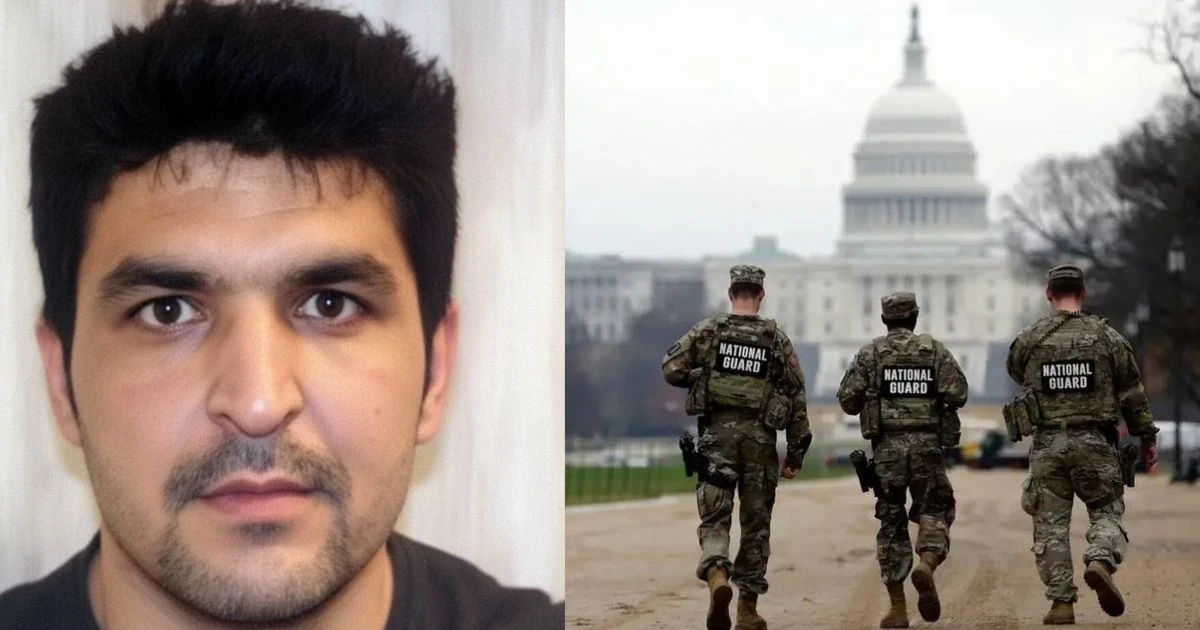
Rahmanullah Lakanwal was hospitalized after refusing food while held in pretrial custody, and U.S. District Judge Amit P. Mehta said the Afghan national was in “dire circumstances” as the case returned to court. The emergency hearing put the murder prosecution on an unstable footing just as federal prosecutors were pressing ahead with a case that has already moved from shooting charges to a first-degree murder count.
Prosecutors told the court that Lakanwal had refused food and sometimes water in jail before being taken to George Washington University Hospital for treatment needed to preserve his life. In filings, his medical decline was described as self-inflicted. The Justice Department also sought limited access to his medical records, underscoring how quickly a defendant’s physical condition can become part of the legal fight in a high-profile federal case.
The underlying case stems from the November 2025 ambush-style shooting near the White House that left one National Guard member dead and another seriously wounded. After one of the wounded troops died, prosecutors later added a first-degree murder charge, and federal prosecutors unsealed new charges in June 2026. The sequence has turned what began as a shooting case into a more severe murder prosecution with broader questions about timing, custody, and the defendant’s ability to proceed.

Lakanwal has been identified in reporting as an Afghan national who previously worked with the CIA in Afghanistan, a detail that has made the case especially sensitive in Washington. The attack and its aftermath have also fed wider concerns about security around the capital and about the threat posed by suspects accused in politically charged violence. Even without a trial date in place, the hospitalization creates a new hurdle for prosecutors who must keep the case moving while addressing whether Lakanwal is physically fit to participate in the proceedings.
For federal courts, a defendant’s medical collapse can slow hearings, delay discovery disputes, and force judges to balance public urgency against basic treatment needs. In a case tied to a National Guard ambush, a death in the ranks, and fresh murder charges, Lakanwal’s condition now sits at the center of both the criminal case and the broader public record around the attack.
Sources
- [1]news.google.com
- [2]views.washingtonpost.com
- [3]cnn.com
- [4]thehill.com
- [5]wtop.com
- [6]gwhatchet.com