Business
Nations Coordinate Massive Oil Reserve Release Amid Iran Conflict
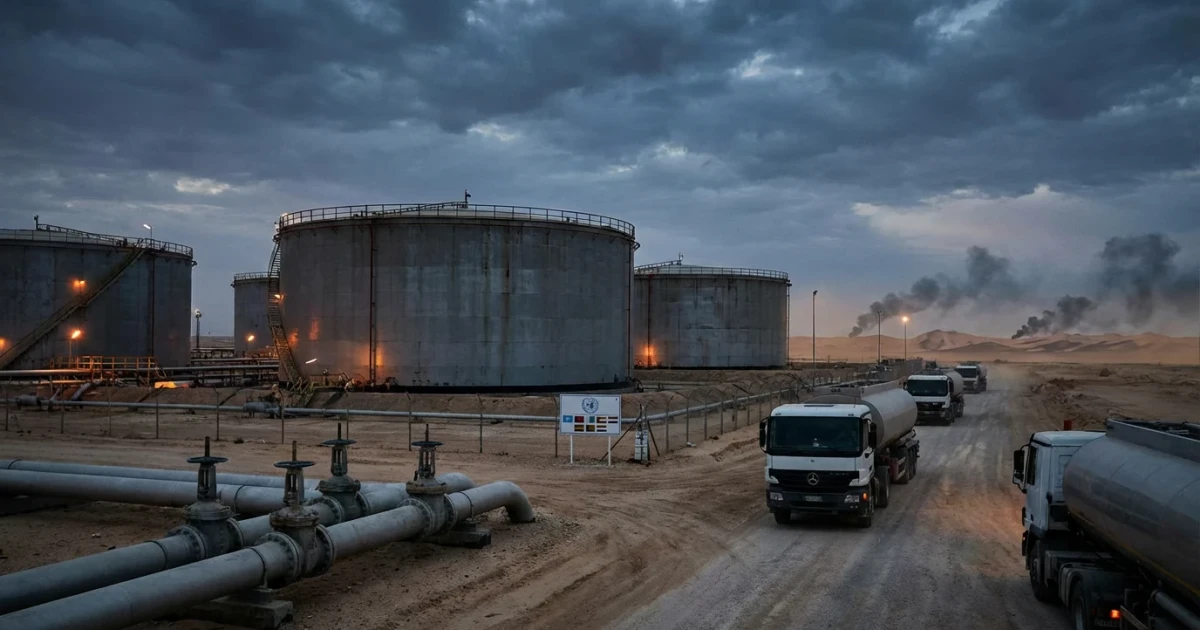
Major economies have agreed to release unprecedented volumes of oil from their strategic reserves as war in Iran disrupts global supply chains and rattles energy markets. The coordinated action, led by the International Energy Agency (IEA), aims to stabilize oil prices and cushion the economic blow from the ongoing conflict.
IEA Orchestrates Largest-Ever Strategic Oil Release
The IEA’s announcement marks the largest coordinated release of oil reserves in history. Member countries, including the United States, European nations, and Asian allies, will collectively draw from their OECD strategic oil reserves in an effort to offset supply disruptions caused by the war in Iran. According to The Washington Post, this decision was reached after energy ministers convened an emergency session to address escalating market volatility.
Impact of the Iran Conflict on Oil Markets
The military conflict in Iran—a critical global oil supplier—has triggered fears of prolonged supply shortages and price spikes. The Washington Post notes that crude oil benchmarks surged in recent weeks, reflecting uncertainty over export flows from the region. Global markets have become increasingly sensitive to geopolitical risks, with analysts highlighting the Middle East’s central role in world oil production and exports.
- IEA member countries hold significant emergency stocks, designed to provide a buffer during supply crises.
- The strategic release is intended to ease immediate shortages and signal market stability.
Scale and Coordination of the Reserve Release
The IEA’s emergency response mechanism has been invoked only a handful of times since its inception, making this release notable for its scale and the speed of international coordination. According to the agency’s emergency response protocols, member nations must agree on the size, timing, and distribution method for the reserve drawdown. The Washington Post underscores that this release surpasses previous actions taken during supply shocks such as the 2011 Libya crisis and the 2022 disruptions linked to the Russia-Ukraine war.
Economic and Policy Implications
Experts cited by The Washington Post argue that tapping strategic reserves serves primarily as a short-term solution. The move provides breathing room for markets but does not replace lost production capacity. Policymakers are also mindful of the need to coordinate replenishment strategies, given that reserve drawdowns reduce the buffer available for future crises. The IEA and member governments are closely monitoring market reactions and stand ready to adjust the scope of the release as needed.
The U.S. Strategic Petroleum Reserve, the world’s largest government-owned stockpile, is expected to play a central role in the coordinated release. Readers can explore current and historical SPR stock levels here. Meanwhile, the IEA’s analysis of recent energy crises offers further context on the effectiveness of such measures.
Looking Ahead
While the emergency oil release provides immediate relief, the situation remains highly fluid. The Washington Post highlights that persistent conflict in Iran could lead to further market disruptions, requiring additional policy responses. The IEA continues to coordinate closely with member states and monitor developments, ensuring preparedness for evolving energy security challenges.