World
NATO agrees to modernize nuclear capabilities and strengthen deterrence planning
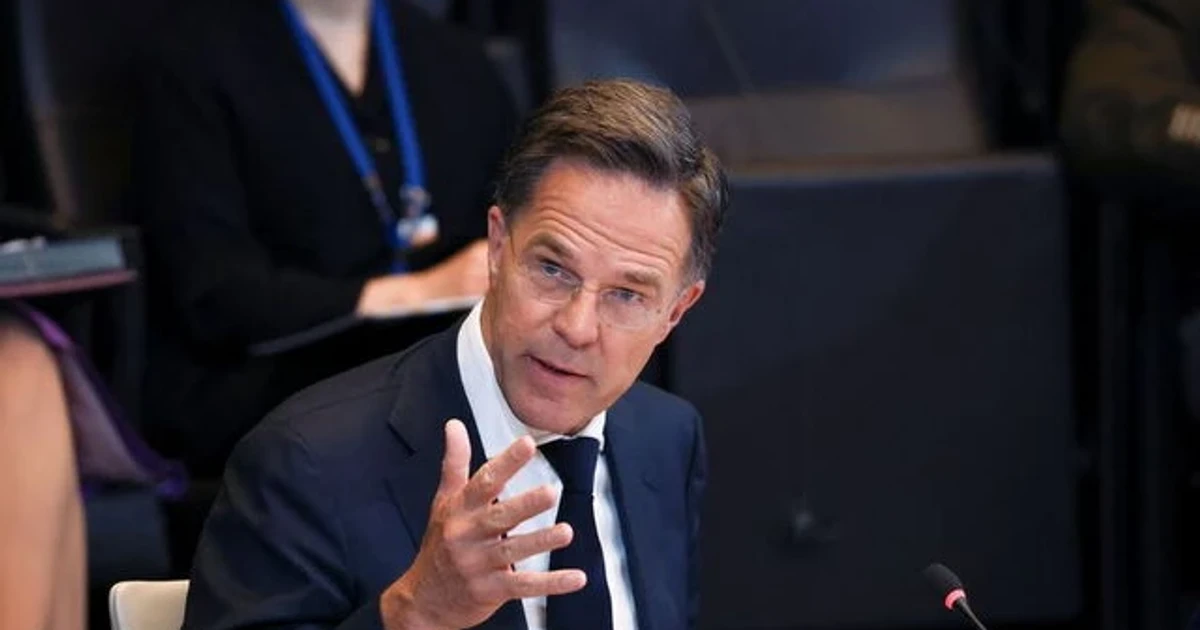
NATO’s defense ministers moved to sharpen the alliance’s nuclear edge in Brussels, agreeing to modernize nuclear capabilities and strengthen deterrence planning at a moment when Europe’s security climate remains under strain. The decision came from the Nuclear Planning Group, NATO’s senior body for nuclear deterrence matters, and it underscored that deterrence remains a core alliance function, not a side issue.
The language matters because “modernizing” nuclear capabilities is not about a single new weapon. In practice, NATO says it means updating nuclear policy, doctrine, planning, force posture, capabilities and exercises so the alliance can keep its posture safe, secure, effective and credible. The ministers said the alliance’s strategic nuclear forces remain the supreme guarantee of Allied security and underpin NATO’s extended deterrence architecture.

That is a doctrine-and-deterrence message aimed as much at Moscow as at NATO capitals. By promising to continue enhancing the nuclear deterrence mission, the alliance signaled that it wants its deterrent to remain credible, survivable and tightly coordinated as Russia’s posture keeps European security planners on alert. For countries on NATO’s eastern flank, the emphasis on planning capacity is a reassurance that the alliance intends to keep pace with shifting threats rather than rely on legacy arrangements.
The Nuclear Planning Group’s structure gives the decision added weight. Established in 1966, the forum now enters its 60th year as the main setting for consultation and decision-making on nuclear deterrence. NATO says all allies except France are members, giving the body broad reach across the alliance’s nuclear policy and readiness debates.
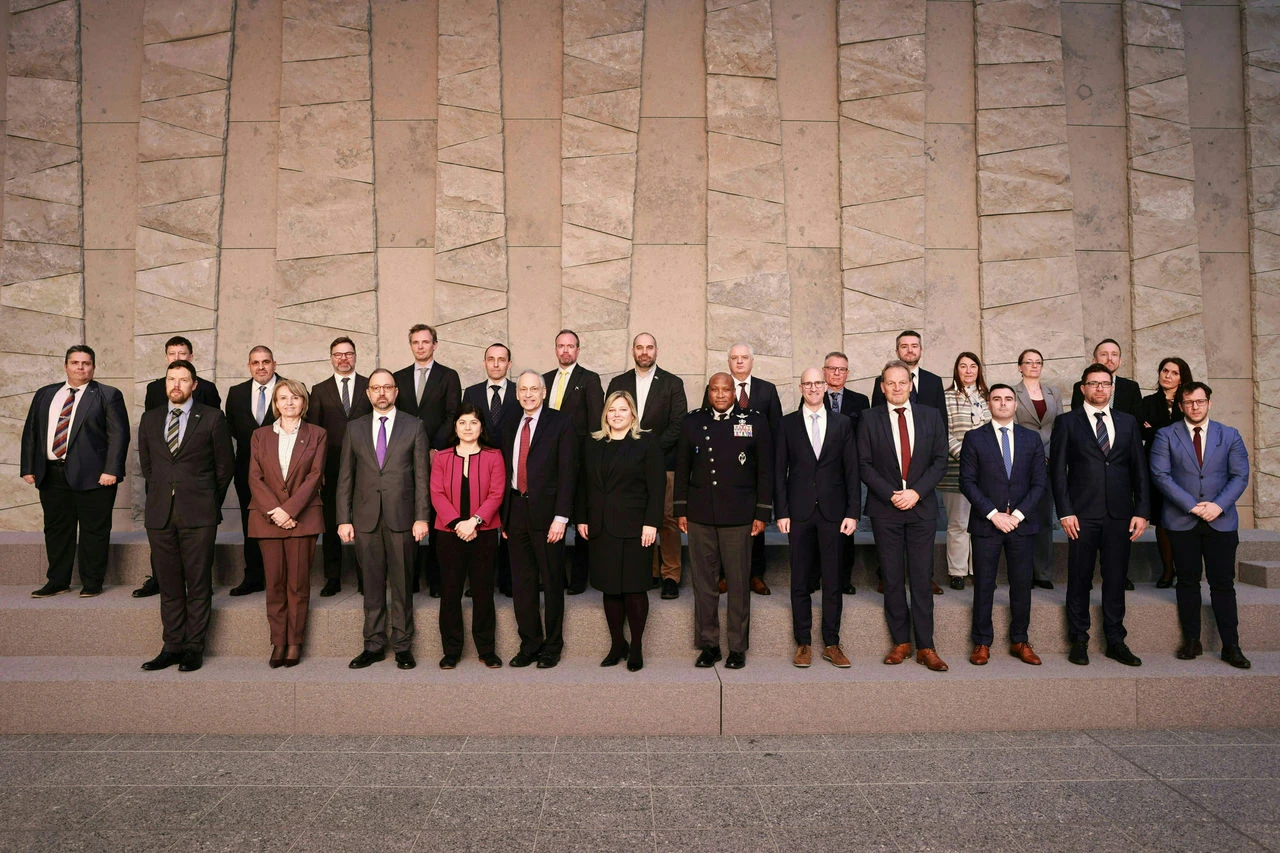
The Brussels meeting also fit into a wider push by NATO leaders to harden the alliance’s conventional backbone. On June 17, Secretary General Mark Rutte said allies need more forces, more resources and a much stronger industrial base, adding that European Allies and Canada increased core defence investment by over $90 billion in 2025. NATO said a High Level Group met in Brussels on May 6 to prepare the June session, showing the nuclear discussion was part of a longer planning process rather than a one-day political flourish.
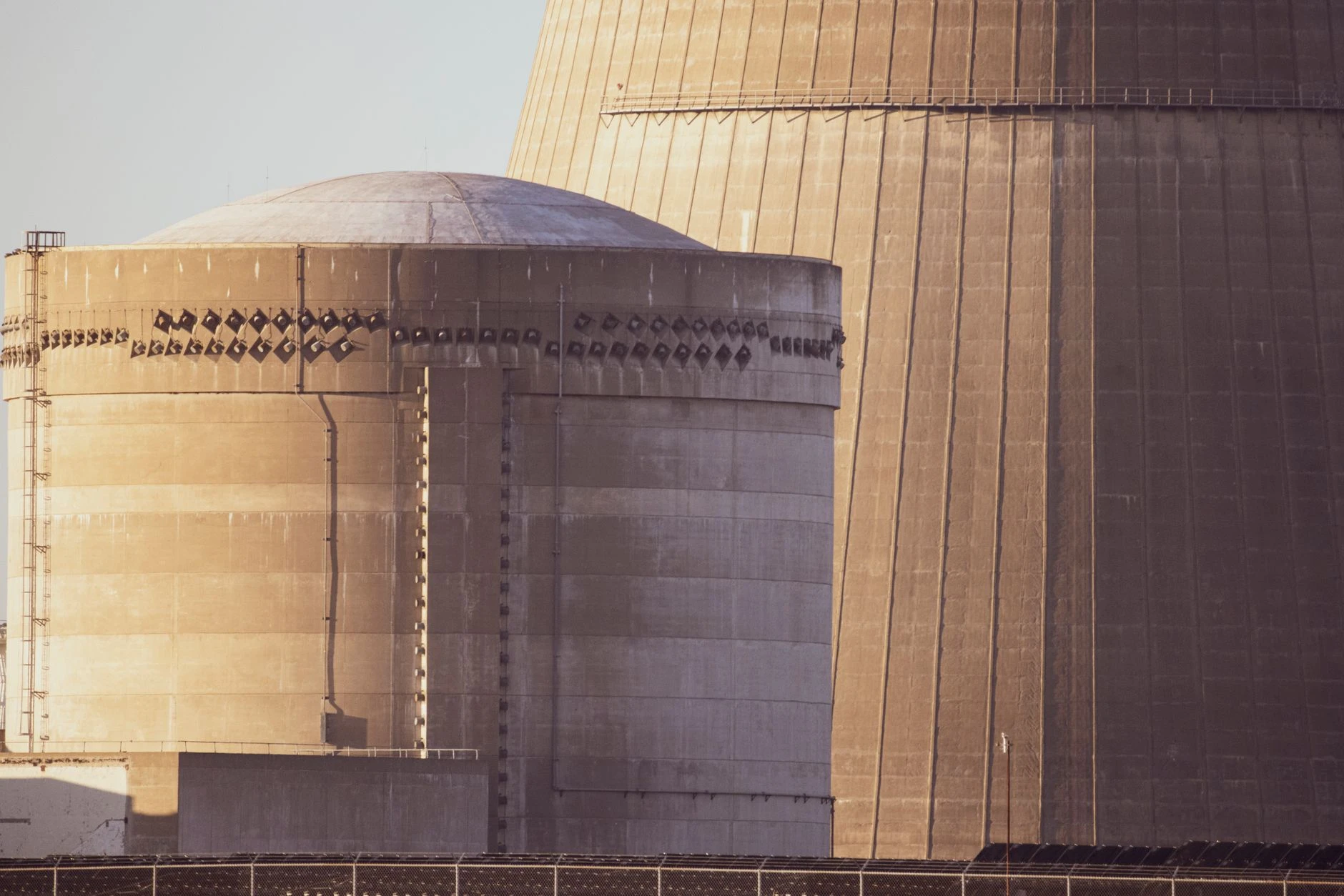
Taken together, the signals point to a broader recalibration: NATO is treating nuclear planning as day-to-day alliance management, tied to force posture, readiness and strategic signaling. In a period of heightened sensitivity about Russia and transatlantic commitments, the alliance is trying to show that its deterrent remains current, coordinated and credible.
Sources
- [1]usnews.com
- [2]nato.int