World
NATO allies hit 2% defense target, race to meet higher spending goals
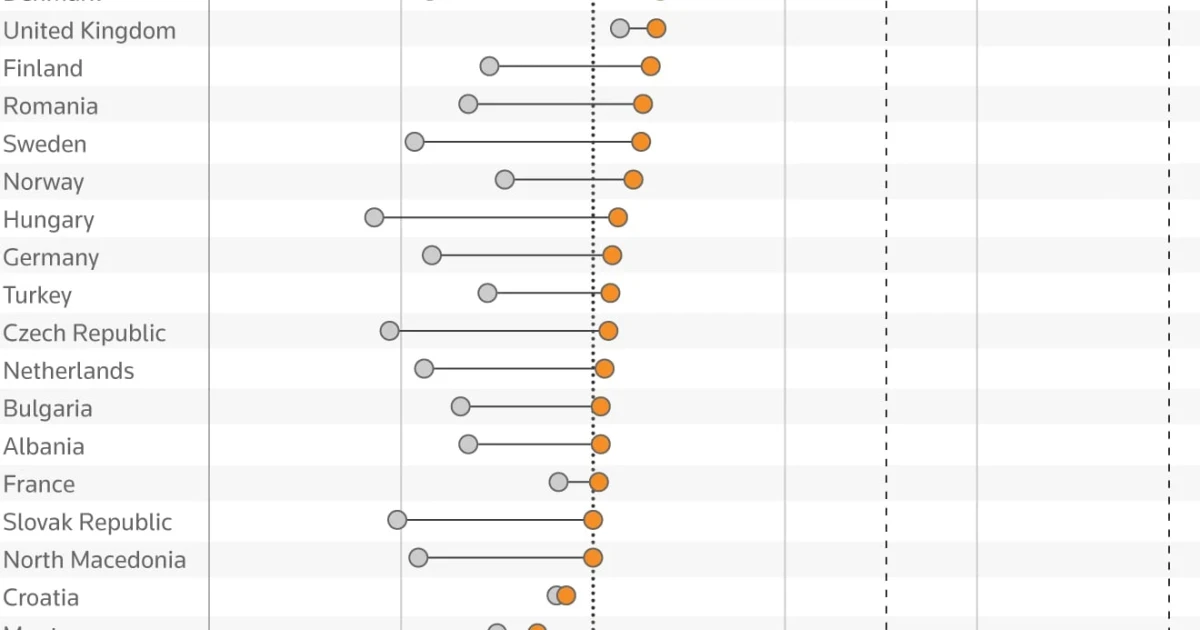
NATO’s latest annual report shows all 32 allies reached the alliance’s 2% of GDP defense benchmark in 2025, a milestone driven by a sharp buildup since Russia’s full-scale invasion of Ukraine and intensified pressure from Washington. European allies and Canada lifted defense spending by about 20% last year, and alliance-wide outlays topped $1.4 trillion, but the next test is whether that money is buying real military power or just meeting a new accounting line.
The June 2025 Hague summit raised the goal again, with allies pledging to spend 5% of GDP by 2035. At least 3.5% is meant for core defense, while up to 1.5% can go to defense- and security-related items such as resilience and infrastructure. NATO tied the move to Russia’s long-term threat and persistent terrorism, while President Donald Trump pressed allies to end what he sees as free-riding and complained about “funny math” in how some governments present their budgets.
Mark Rutte, the NATO secretary-general, has asked allies ahead of the July 2026 Ankara summit to bring “clear, concrete and credible plans” for reaching the new targets. U.S. officials have also pushed for faster annual progress and clearer budget road maps, a sign that the alliance is no longer debating whether spending should rise, but whether the increase is durable and military in substance.
The numbers still mask uneven national behavior. NATO said three allies were already meeting the new 3.5% core-defense objective in 2025, but other governments have faced accusations that they are using broad security spending, infrastructure, or one-off bookkeeping moves to get over the line. Spain negotiated an opt-out from the 5% pledge, underscoring how politically difficult the higher bar remains for some members.
The split inside the alliance has been visible for years. Poland and the Baltic states, which sit closest to Russia, have generally moved faster to increase military spending. Some southern and western European governments have been more resistant, even as the security environment deteriorated. Before Russia invaded Ukraine in February 2022, only six NATO allies had met the 2% target by 2021, despite the benchmark being first adopted at the 2014 Wales summit.

That history is why the 2025 figures are being read less as an endpoint than as a stress test. The alliance has shown it can clear a symbolic threshold under extreme pressure. What remains unclear is whether the next decade brings genuine rearmament, or a scramble to reclassify existing spending as defense.
Sources
- [1]nytimes.com
- [2]nato.int
- [3]politico.eu
- [4]usnews.com
- [5]everycrsreport.com
- [6]atlanticcouncil.org