US News
NATO Confronts Tension Over Hormuz as Trump Demands Action
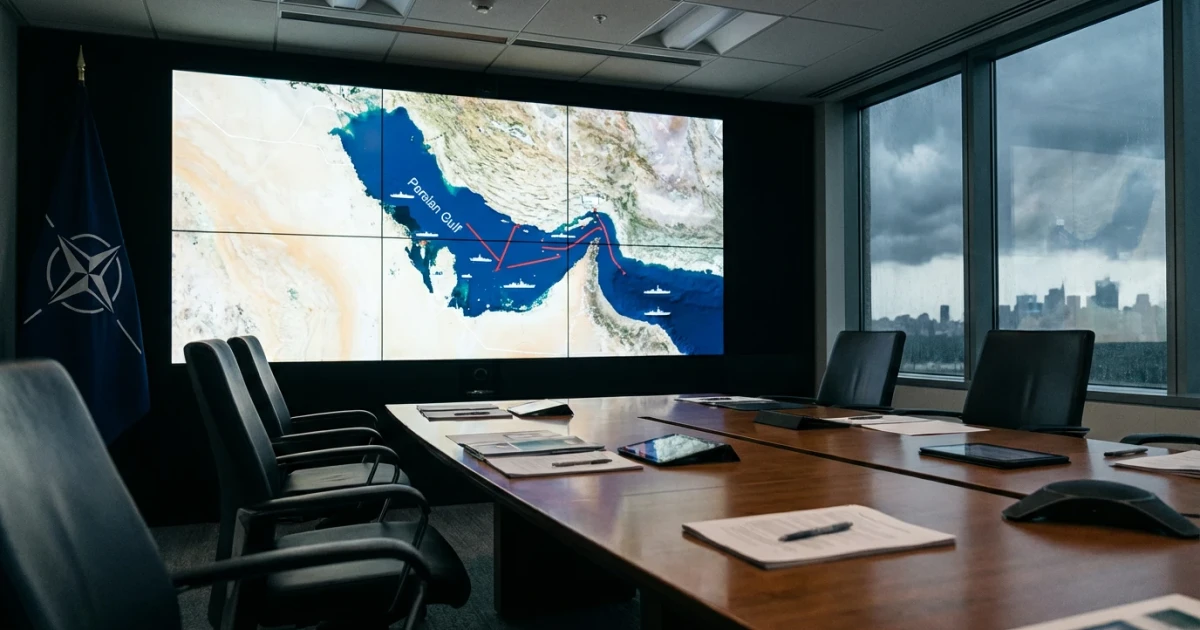
NATO is grappling with renewed internal pressure after U.S. President Donald Trump demanded that allied nations make immediate security commitments regarding Iran and the strategically vital Strait of Hormuz, according to diplomats cited by AP News. The alliance’s new Secretary-General, Mark Rutte, often referred to as the “Trump whisperer” for his rapport with the U.S. leader, is facing a crucial early test in mediating between Washington and other NATO capitals.
U.S. Demands on NATO Over Iran
Diplomats confirmed to AP News that Rutte informed alliance members this week that President Trump expects NATO countries to pledge concrete actions within days to safeguard shipping and energy flows through the Strait of Hormuz. The strait, just off Iran’s southern coast, is a narrow waterway through which an estimated one-fifth of the world’s oil supply passes, making its security crucial to global energy markets.
- The U.S. has long maintained a strong military presence in the region, but Trump’s explicit demand for allied military or logistical commitments marks an escalation in alliance discussions over Iran.
- Sources described the messaging as unusually direct and urgent, with Rutte relaying that Washington expects clarity from partners “within days, not weeks.”
Rutte’s Role and Diplomatic Challenges
As NATO’s new Secretary-General, Mark Rutte brings experience from his tenure as Dutch prime minister, where he was known for steady leadership and pragmatic diplomacy. His reputation as a “Trump whisperer” stems from previous success in navigating complex conversations with the U.S. president. Now, he faces the challenge of keeping the alliance united as the Trump administration increases pressure on the Iran issue.
According to alliance diplomats, Rutte is working to balance differing views within NATO. While the U.S. frames the Hormuz challenge as a matter of alliance solidarity and deterrence against Iran, some European members remain cautious, wary of escalating tensions or being drawn into a potential conflict in the Middle East.
Hormuz’s Strategic Significance
The Strait of Hormuz is often described as the world’s most critical oil chokepoint. Data from the U.S. Energy Information Administration shows that about 21 million barrels of oil per day—roughly 21% of global petroleum liquids consumption—flowed through the strait in recent years. Any disruption could send shockwaves through energy prices and supply chains worldwide.
- Increased tension in the region, including incidents involving Iranian naval forces and commercial shipping, has kept the area under close international scrutiny.
- NATO’s involvement in Middle Eastern maritime security has historically been limited, focusing on anti-piracy and counter-terrorism missions rather than direct confrontation with state actors like Iran.
Alliance Dynamics and Next Steps
Diplomatic sources told AP News that some alliance members have asked for more time to consult with their parliaments and publics, while others are pushing for a united front in support of U.S. requests. The situation is expected to come to a head at the next gathering of NATO defense ministers, where Rutte will present feedback from capitals and attempt to forge consensus.
As the debate continues, the focus remains on whether NATO can maintain cohesion in the face of external threats and internal discord. Rutte’s leadership is under the spotlight, with allies watching how he manages the alliance’s response to both Washington’s demands and Tehran’s actions in the region.
Looking Ahead
The coming days are likely to determine NATO’s direction in the Persian Gulf and test the alliance’s ability to adapt to U.S. leadership styles. For Secretary-General Rutte, the challenge will be to preserve unity and credibility while addressing the security imperatives of a volatile region.