World
NATO leaders meet in Ankara under pressure to boost defense spending
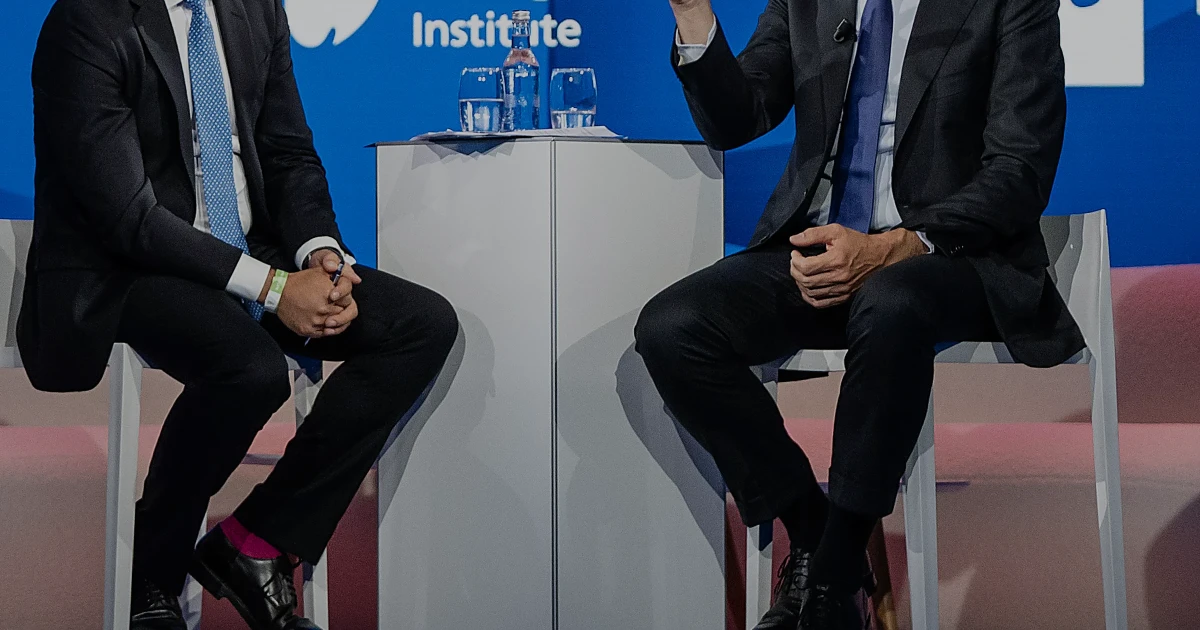
NATO leaders arrive in Ankara with three decisions that matter more than the ceremony around them: how fast allies will spend, how much defense industry can actually produce, and whether support for Ukraine can be locked in beyond one budget cycle. The summit at Türkiye’s Beştepe Presidential Compound on July 7-8, 2026 is built around delivery, not symbolism, with a parallel Defence Industry Forum set for July 7 to push contracts, investment, and innovation.
What is really on the table in Ankara
Mark Rutte has framed the meeting around “delivery and implementation,” and that is the clearest clue to what will separate a meaningful summit from a polished one. Leaders are expected to concentrate on three linked questions: continued increases in allied defense investment, stronger transatlantic defense industrial production, and support for Ukraine.
That agenda reflects the pressure already building inside the alliance. Donald Trump has pushed Europe to spend more on defense, while months of friction over the Iran war and Greenland have sharpened doubts about how stable U.S. commitments will be if the White House changes tone again. Ankara is therefore less about unveiling a grand new doctrine than about proving that NATO can still act as a coordinated military alliance when political weather turns rough.
The defense-spending test
The most important benchmark comes from the 2025 Hague Summit, where allies agreed to a new target of spending 5% of GDP on defense by 2035. Under that pledge, at least 3.5% of GDP must go to core defense requirements and NATO capability targets, with annual national plans meant to show whether governments are actually moving toward the goal.
That makes Ankara a checkpoint, not a reset. The alliance has already moved far beyond the 2014 Wales Summit commitment to spend 2% of GDP on defense, and the gap between the old pledge and the new one is enormous. What leaders say in Türkiye will matter less than whether capitals arrive with budget plans, procurement decisions, and timelines that make the 2035 target look real rather than rhetorical.
The business side of that effort is built into the summit itself. Allied leaders are expected to discuss a major defense-industry push that could include tens of billions of dollars in new defense-related contracts, a sign that NATO wants spending to translate into artillery shells, air defenses, ammunition stocks, and industrial capacity rather than just political promises. If those contracts begin to take shape around the summit, that will be one of the clearest signs that the alliance is moving from declaration to production.
Ukraine and the message to Moscow
Ukraine will sit at the center of the summit language even as the fight on the ground continues to drain stockpiles and budgets across Europe. Draft summit text says allies are expected to pledge €70 billion, about $80 billion, in military assistance to Ukraine for 2026, with at least equivalent levels in 2027 if leaders give final approval. That matters because it would turn support for Kyiv into a multi-year commitment instead of a series of ad hoc packages.
The same draft language also says allies are expected to reaffirm an “ironclad commitment” to Article 5 collective defense and describe Russia as a long-term threat to Euro-Atlantic security. Those phrases are not decorative. They are the public line NATO uses to show that support for Ukraine does not come at the expense of collective defense, and that Moscow remains the central strategic threat shaping the alliance’s planning.
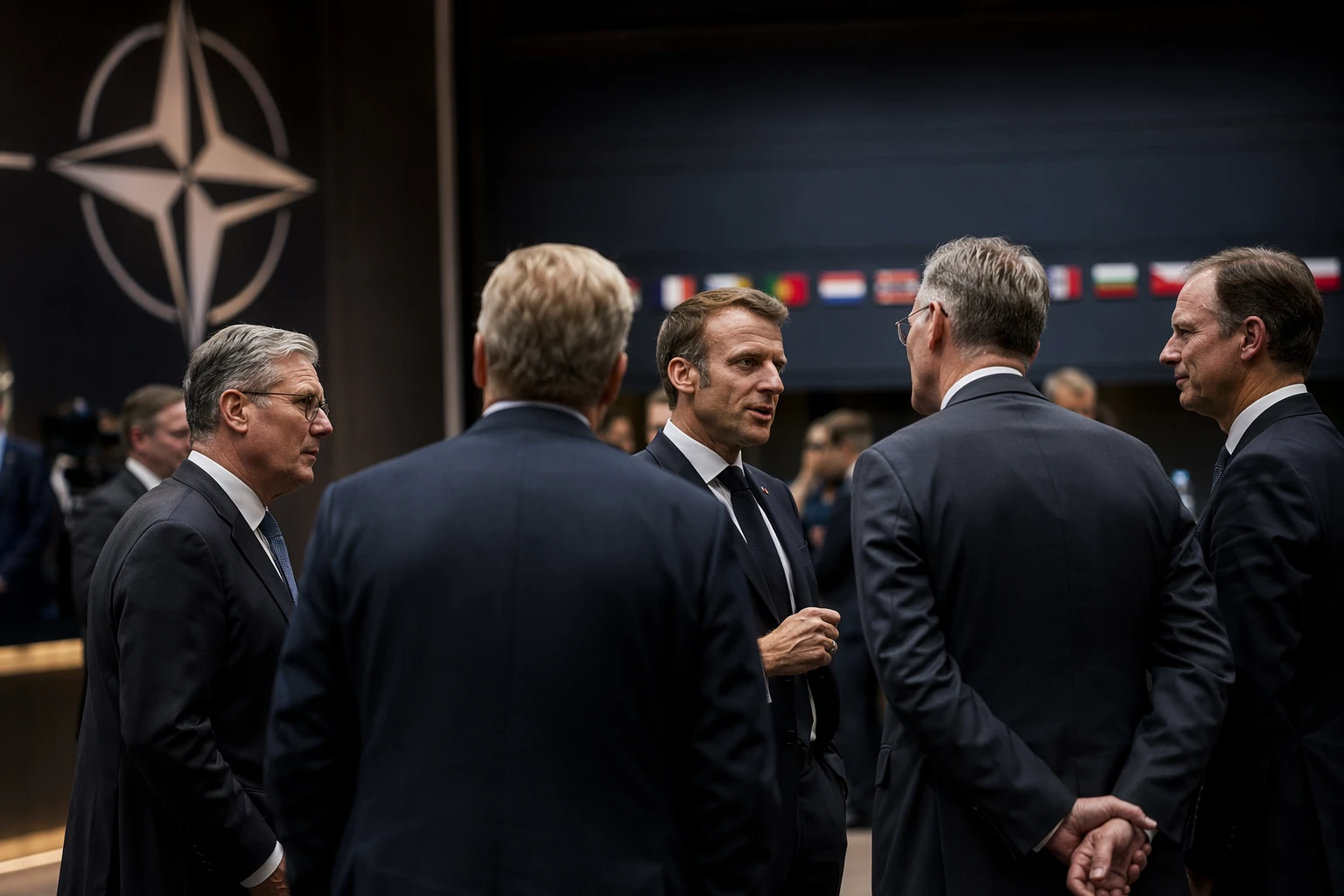
Article 5 is still NATO’s defining promise. It says that an armed attack against one ally is considered an attack against them all, and the clause has been invoked only once, after the September 11, 2001 attacks on the United States. In Ankara, the force of that language will depend on how directly leaders tie it to spending, weapons production, and the readiness to support a country fighting Russia now.
Türkiye’s role is more than hosting duty
This is only the second time Türkiye has hosted a NATO summit. The first was in Istanbul in 2004, months after the alliance’s largest enlargement, when seven countries joined in the “Big Bang” expansion. The return to Turkish soil underscores the country’s long strategic weight inside NATO, which it has belonged to since 1952.
The choice of Ankara also puts Türkiye at the center of a political conversation that has become more complicated over the last decade. The country remains indispensable for geography, logistics, and regional diplomacy, yet its role is often judged through the lens of alliance cohesion as much as partnership. Hosting the summit at the Beştepe Presidential Compound places that tension on display: Türkiye is both the venue and part of the balance NATO must manage.
What would count as real unity
There are clear signs to watch for if the summit produces more than carefully managed optics. The strongest outcome would include firm language on the 5% spending path, visible national plans that show how allies will reach 3.5% core defense spending, and enough defense-industry contracts to demonstrate that the money is being translated into capacity. On Ukraine, the key test is whether the €70 billion pledge for 2026 and the equivalent 2027 commitment survive final approval intact.
A weaker outcome would still look orderly from the podium, but it would rely on generic unity statements without hard procurement decisions or enforceable timelines. That kind of summit can produce reassuring photographs and polished communiqués, yet it leaves the alliance vulnerable to the same problem that brought leaders to Ankara in the first place: too much dependence on declarations, and not enough proof that Europe and North America can keep pace with the security burden they say they accept.
Why this summit lands where it does
NATO itself was founded on April 4, 1949, when 12 North American and Western European countries signed the North Atlantic Treaty in Washington, D.C. It now has 32 member states, and its purpose has always been simple even when its politics are not: collective defense backed by shared capability.
That is the standard Ankara will be measured against. If leaders leave Türkiye with stronger spending commitments, a credible industrial push, durable Ukraine aid, and a sharper Article 5 message, the summit will have shown that NATO can still turn pressure into action. If not, the alliance will have delivered another summit and left the harder work for later.
Sources
- [1]nytimes.com
- [2]nato.int
- [3]europarl.europa.eu
- [4]everycrsreport.com
- [5]apnews.com
- [6]reuters.com