World
NATO summit in Turkey centers on managing Trump, security agenda
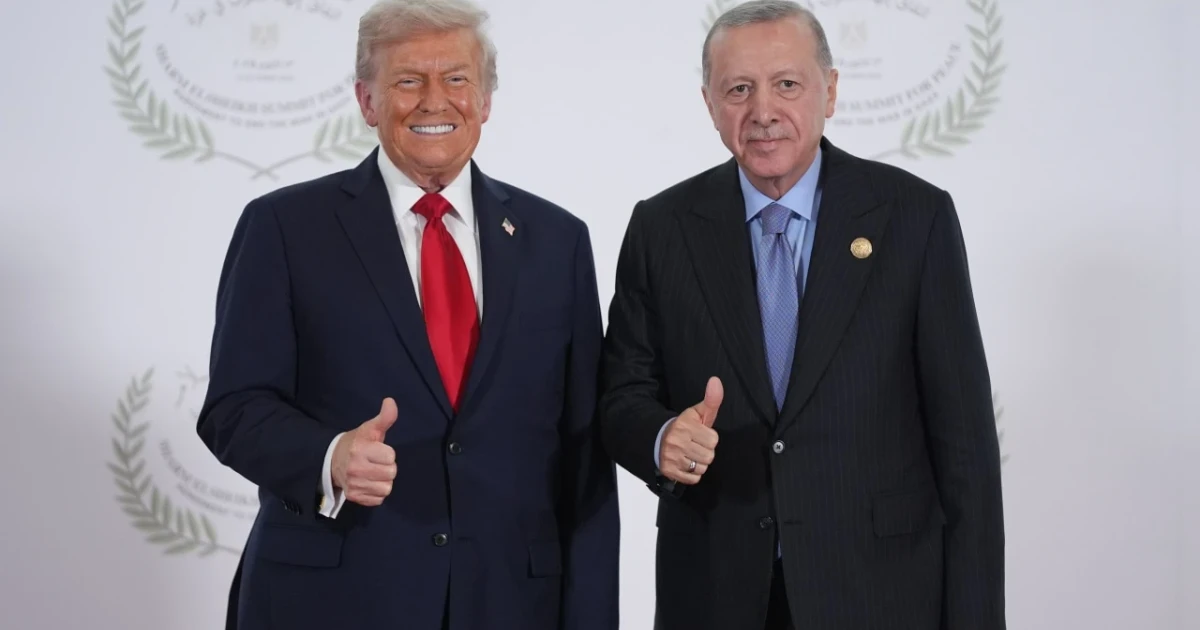
NATO leaders gathered in Ankara with President Donald Trump pressing them to turn last year’s spending pledges into hard budgets and to carry more of the cost of Ukraine’s defense. Turkey hosted the summit at the Beştepe Presidential Compound, and Trump said he was going “out of respect to President Erdogan,” a sign that the summit was as much about managing one leader as it was about strategy.
The immediate test was burden-sharing. NATO’s 32 members had signed up in The Hague to spend 5 percent of GDP on defense by 2035, split between 3.5 percent for core military capabilities and 1.5 percent for broader security-related spending. Secretary-General Mark Rutte said he expected “clear, concrete and credible plans” from governments still far from the target, while a White House official said Trump expected allies to abide by their “five percent defense spending pledge.” Spain remained the clearest target, after refusing to commit to the 5 percent line and holding spending near 2 percent of GDP. Slovenia, Albania and the Czech Republic had also fallen short of NATO’s earlier 2 percent benchmark.
Ukraine policy was the other major lever. A draft declaration approved by NATO ambassadors set out a pledge of €70 billion, about $80 billion, in military assistance for Ukraine in 2026 and at least the same level in 2027, with the United States not expected to contribute funding. The same text was set to reaffirm an “ironclad commitment” to Article 5, call Russia a long-term threat and keep NATO’s support for Kyiv in place even as Washington pushes Europe to shoulder more of the load. Trump was scheduled to meet Ukrainian President Volodymyr Zelenskyy on Wednesday, after speaking with both Zelenskyy and President Vladimir Putin on July 4.
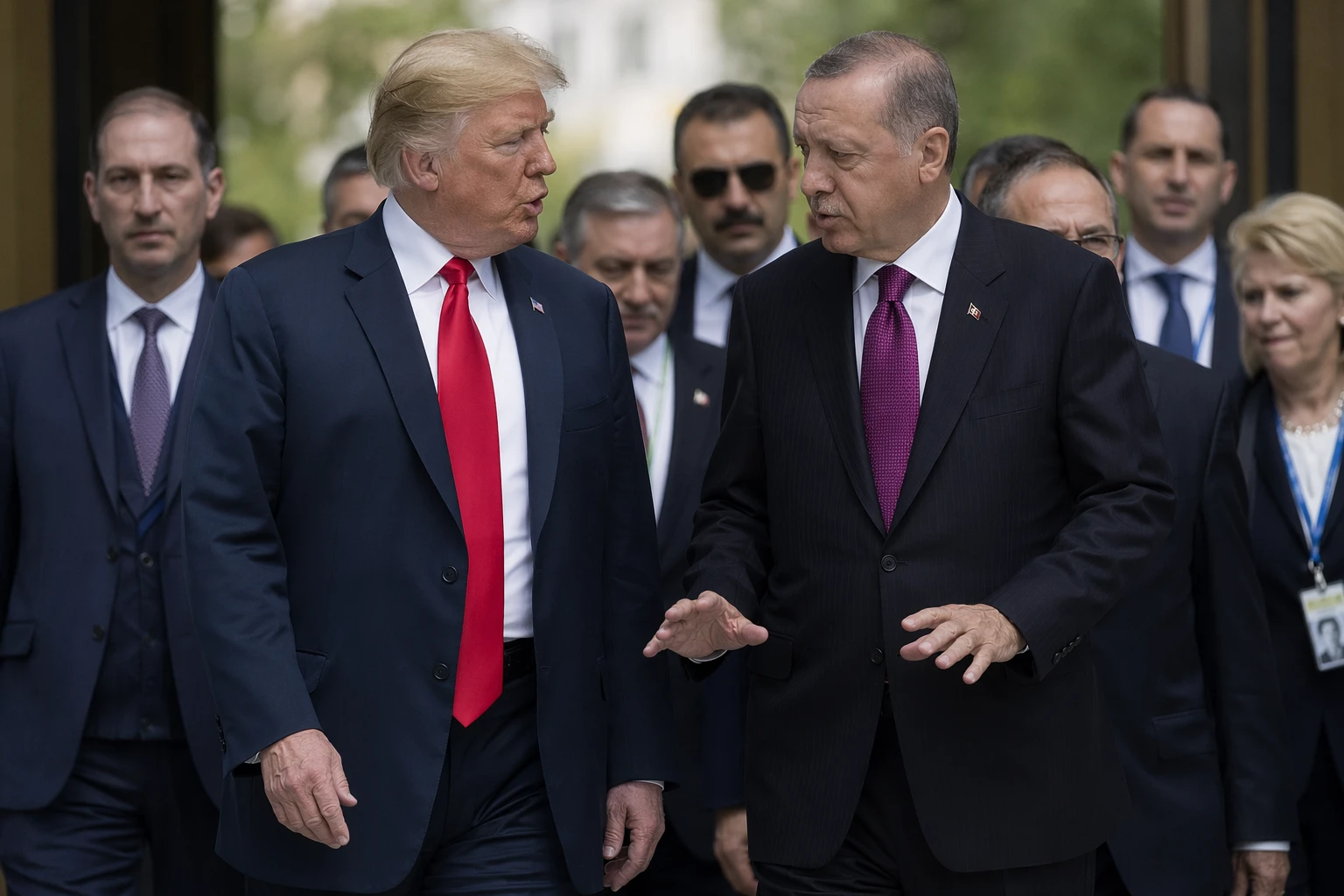
That left the summit’s real bargaining chip in plain view: governments that can show binding budgets, new weapons contracts and sustained industrial output can claim they are answering Trump’s demands with substance instead of symbolism. NATO allies were also expected to pledge billions of dollars in new arms contracts and more weapons production, a concession that would shift burden-sharing from promises on paper to purchases in factories. Trump’s broader pressure campaign, including troop withdrawals from Europe and a review of the U.S. military presence on the continent, made the stakes sharper still.