World
NATO to replace aging AWACS fleet with Sweden’s GlobalEye jets

NATO is preparing to replace its aging fleet of U.S.-built AWACS aircraft with Saab’s GlobalEye surveillance jets, a decision that would reshape one of the alliance’s most visible shared military programs. The move is expected to be announced at NATO’s summit in Ankara, Türkiye, on July 7-8, where leaders will gather at the Beştepe Presidential Complex.
The current force has been flying since 1982 and is centered at Geilenkirchen airbase in Germany. NATO says the Airborne Early Warning and Control component began flying operations in February 1982, was officially activated on June 28 that year and reached full operational capability at the end of 1988. It now operates 14 Boeing E-3A aircraft with an international military and civilian staff drawn from 17 NATO nations.
That fleet has been heavily used since Russia’s full-scale invasion of Ukraine in February 2022, especially for surveillance along the alliance’s eastern flank. NATO says the AWACS mission has also supported air defense in the United States after the Sept. 11 attacks, operations in Libya and Afghanistan, and security for NATO summits and other major events. That makes the Ankara meeting symbolically important: the alliance is choosing the next generation of a system that protects its own leaders as well as its front line.
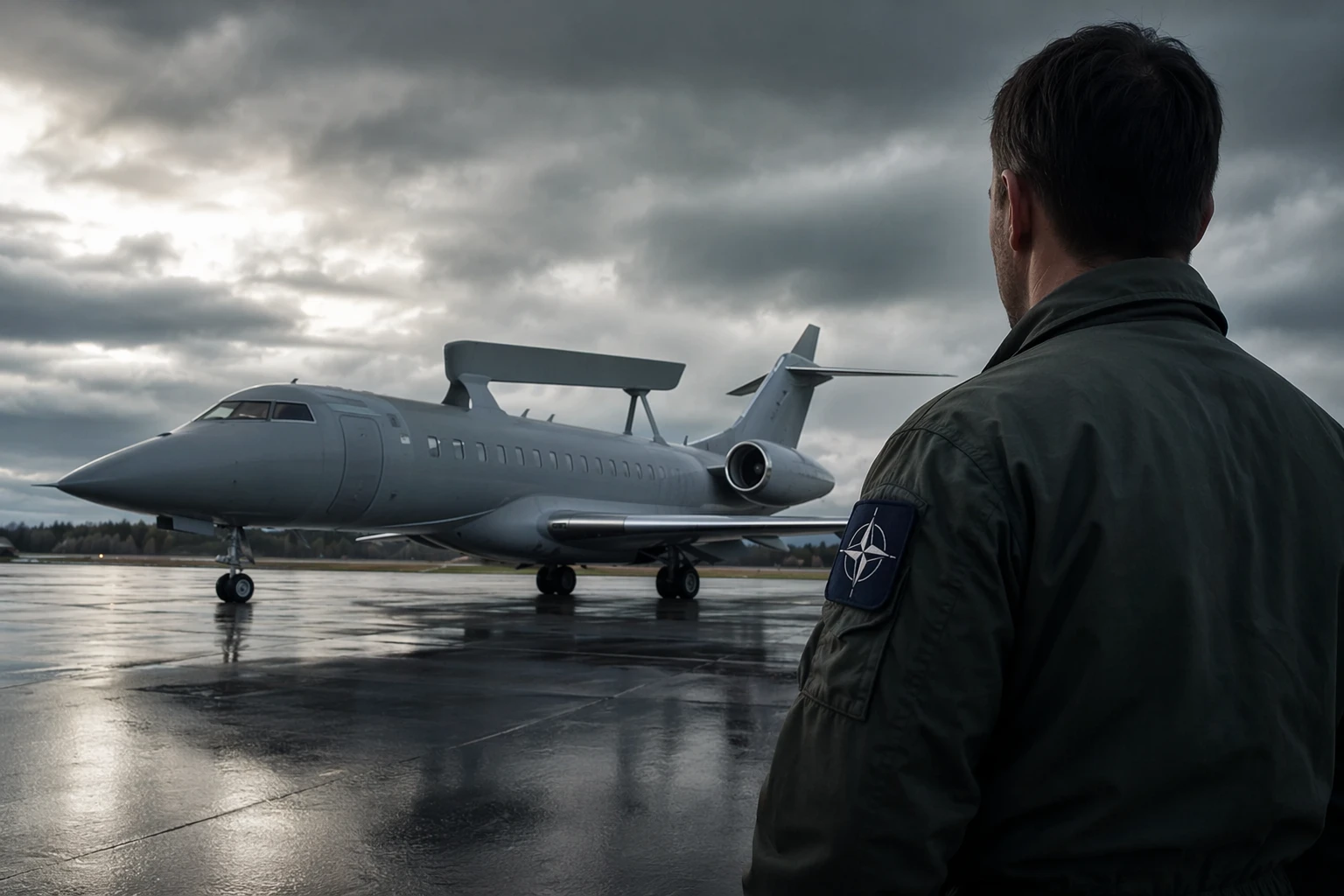
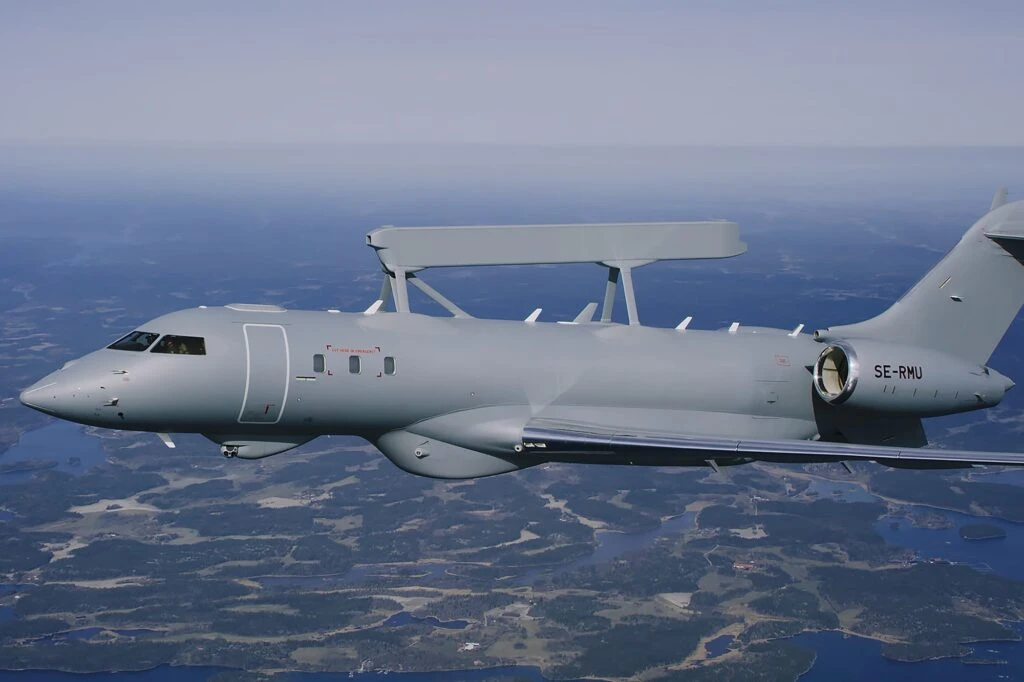
GlobalEye would shift NATO toward a different kind of surveillance architecture. Saab describes the aircraft as a multi-domain airborne early warning and control system that can detect activity over air, sea and land from long range. The platform is built on Bombardier’s Global 6500 business jet, a smaller and more modern base than the aging Boeing E-3A fleet. If NATO follows through, Geilenkirchen could eventually host what would become the world’s largest GlobalEye fleet.
The procurement also carries industrial and political weight. NATO had previously looked at Boeing’s E-7 Wedgetail, but abandoned plans to buy six of the aircraft in 2025 after the Pentagon dropped its own plan to acquire 26 and turned more heavily to satellites. By spring 2026, NATO’s procurement path had already moved toward Saab and Bombardier, underscoring a broader shift away from dependence on a U.S. platform whose future has become less certain.
The change would also test ties with Washington at a time when Donald Trump has repeatedly pressed allies to buy American weapons and criticized Europe’s defense spending. NATO’s AWACS force remains one of its few jointly owned and operated military assets, so the replacement decision is more than a hardware upgrade. It is a statement about where the alliance wants its surveillance, industrial base and strategic autonomy to stand over the next decade.
Sources
- [1]usnews.com
- [2]nato.int
- [3]awacs.nato.int
- [4]saab.com
- [5]bombardier.com