World
NATO to scale back Kosovo force as security improves
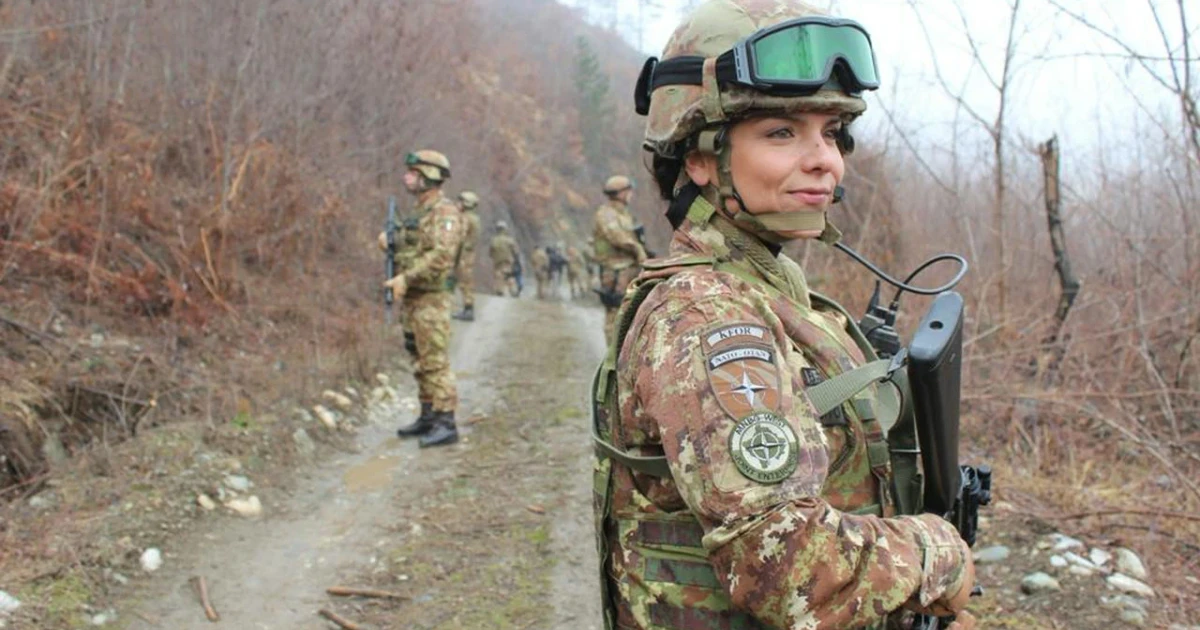
A NATO posture adjustment in Kosovo means fewer troops on the ground, a lighter operating footprint and a slower but still ready reinforcement capacity, not a sudden pullout. The alliance said on June 12 that it would gradually adjust the Kosovo Force, known as KFOR, over the next year after deciding the security situation in Kosovo had improved and become generally steady. NATO also said the move could be reversed if conditions worsen.
KFOR has been in Kosovo since 12 June 1999, when NATO deployed the mission under United Nations Security Council Resolution 1244 and the Military-Technical Agreement between NATO and the Federal Republic of Yugoslavia and Serbia. Its original tasks were to deter renewed hostilities, secure public order, demilitarise the Kosovo Liberation Army and support humanitarian efforts after NATO’s 78-day air campaign.
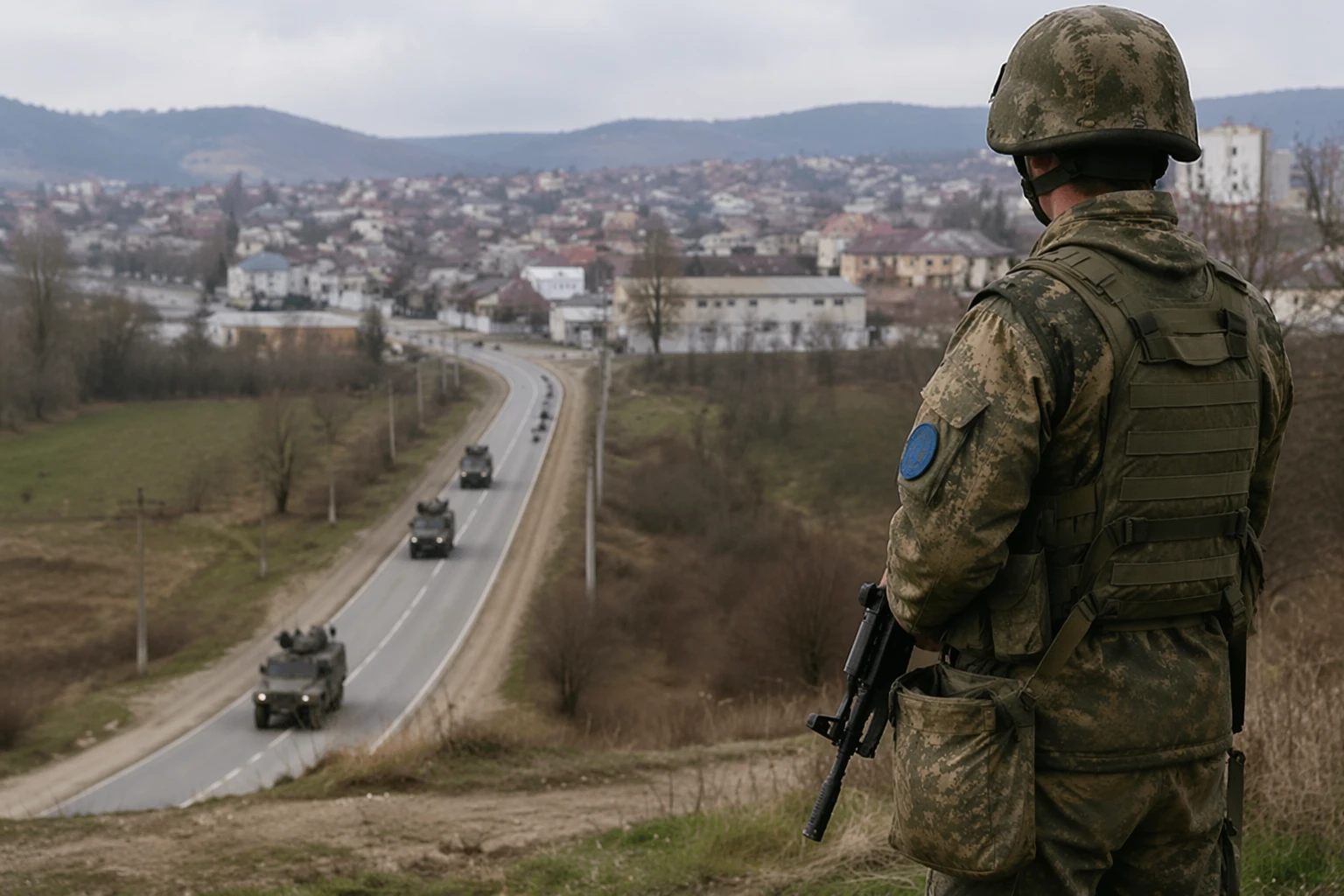
The new adjustment follows a period of reinforcement, not a simple long-term drawdown. After violence in 2023, NATO deployed up to 1,000 additional troops to Kosovo, the largest reinforcement in a decade, bringing KFOR’s strength to well over 4,500 personnel. Current reporting puts the mission at about 4,600 troops drawn from 31 contributing countries.
NATO had already stopped deploying reserve forces to KFOR in January 2026 after more than two years of continuous rotation, a sign that the alliance judged the environment less volatile than in the recent past. The latest changes are expected to come through national rotation cycles and redeployments, rather than one abrupt cut in strength. NATO did not say what the end-state numbers would be.
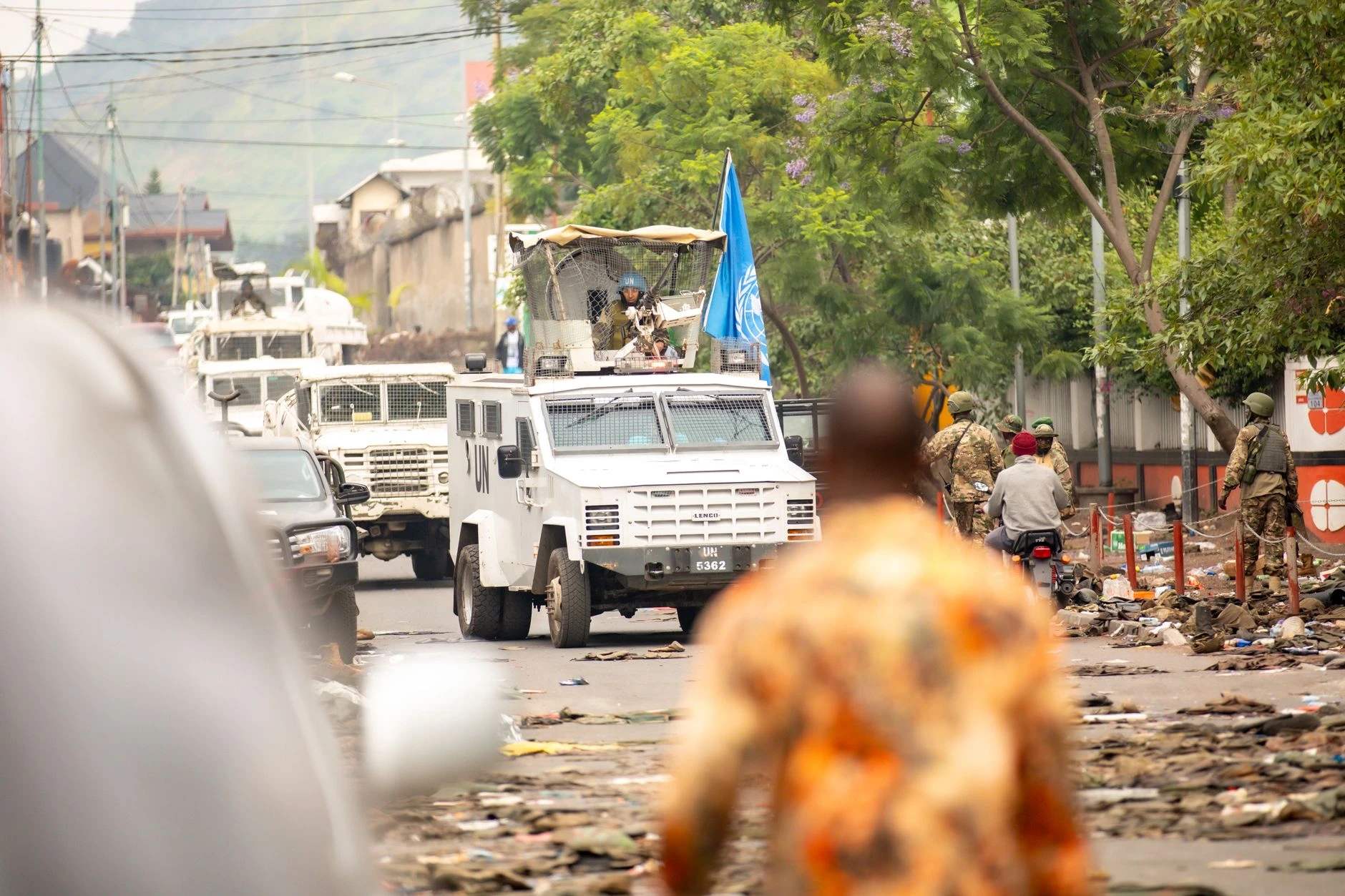
Supreme Allied Commander Europe Gen. Alexus G. Grynkewich said NATO and KFOR were fully committed to safety and security in Kosovo and argued that that commitment had helped deliver greater stability as Kosovo’s security institutions became more capable. He said current conditions created room to optimise KFOR’s size and posture further.
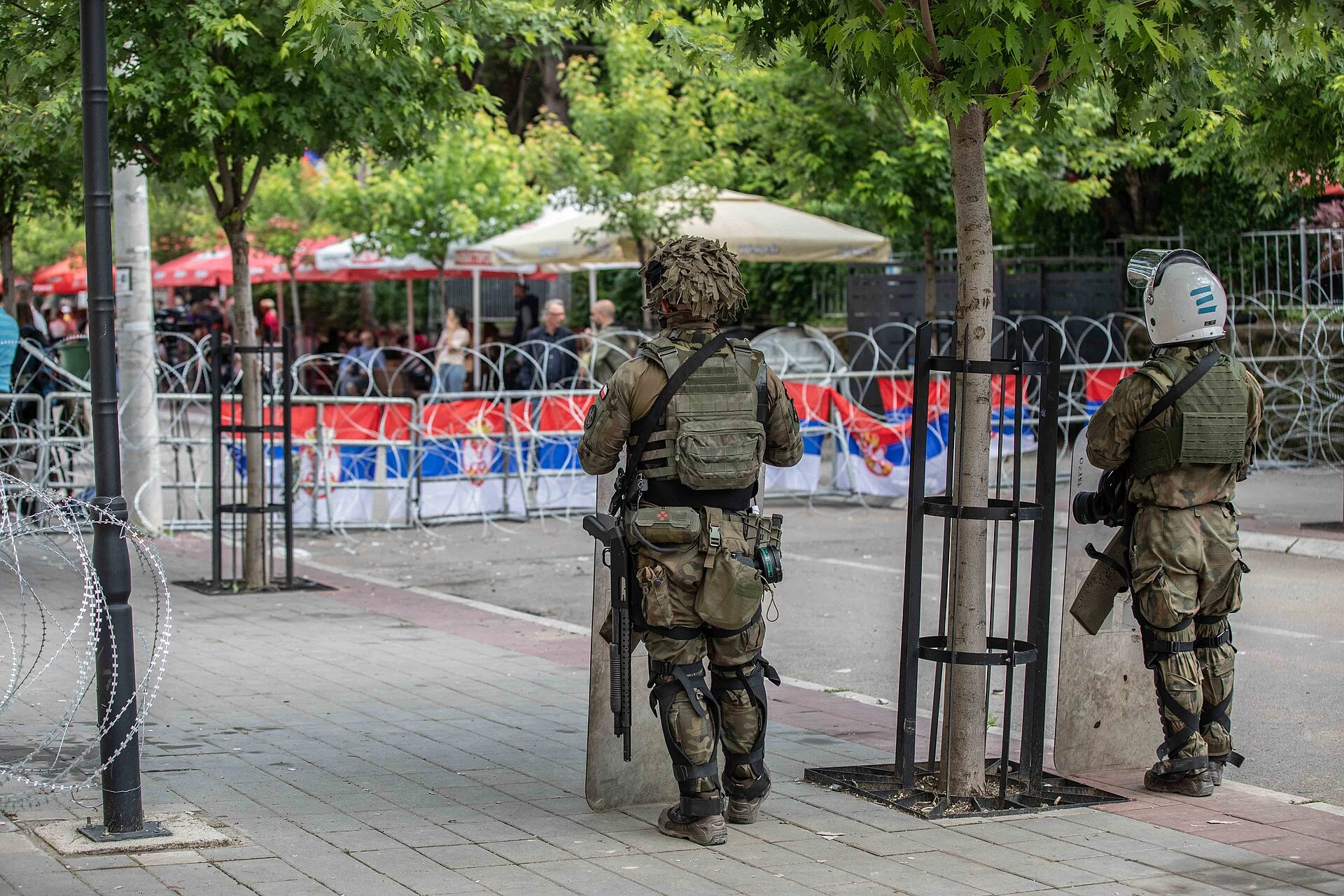
That recalibration matters because KFOR remains one of NATO’s most visible peace-support operations in Europe and a live test of whether Balkan stability is durable or merely quieter for now. NATO continues to describe the mission as supporting a stable and peaceful Kosovo and the development of professional, democratic and multi-ethnic security structures. The alliance is signaling that Kosovo’s institutions can shoulder more responsibility, but it is also keeping the option to surge back if renewed unrest, like the 2023 violence, forces a reversal.
Sources
- [1]nato.int
- [2]shape.nato.int
- [3]jfcnaples.nato.int
- [4]stripes.com
- [5]eunews.it
- [6]bloomberg.com