World
NATO weighs replacing aging AWACS fleet at Ankara summit
NATO leaders gathered in Ankara on July 7 for a summit built around defence investment, industrial production and support for Ukraine, with all timings set in local Turkish time. The alliance’s Defence Industry Forum was scheduled for the same day, and one of the clearest signals from the meeting was that NATO was moving toward a decision on how to replace its ageing airborne surveillance fleet.
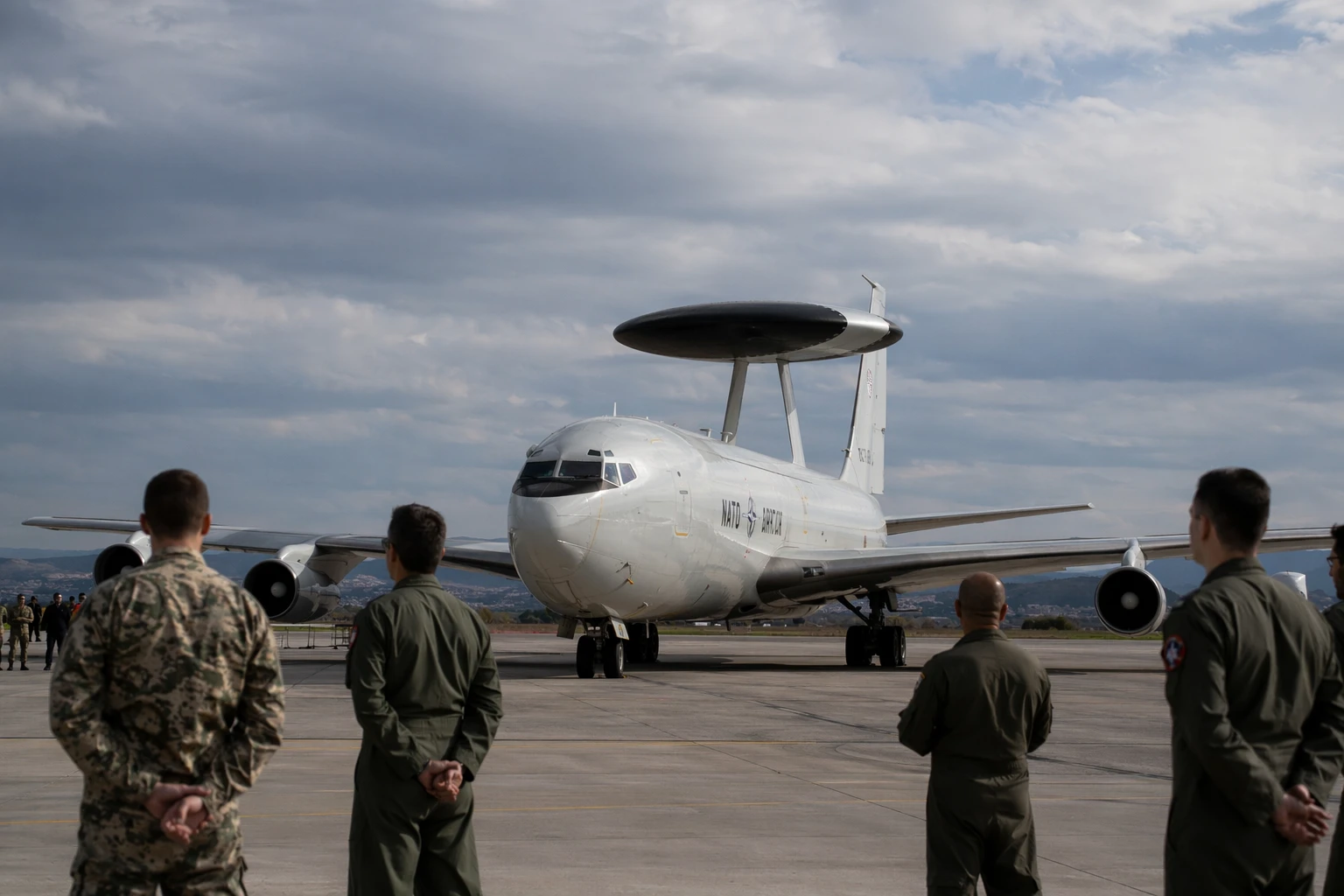
The aircraft at the center of that decision have been flying since 1982. NATO’s E-3A AWACS force is based at Geilenkirchen airbase in Germany, run by an international military and civilian staff drawn from 17 NATO nations, and remains one of the few military assets owned and operated by NATO itself. It has supported operations in the United States after the Sept. 11 attacks, in Libya and in Afghanistan. Reuters-linked reporting indicated NATO was expected to choose Saab’s GlobalEye system to replace the 14-aircraft fleet, a shift that would move a key shared capability away from a U.S.-built platform and toward Swedish and Canadian industrial production.
The replacement debate landed just as NATO’s top commander warned that Europe had only recently filled most of the gaps created by U.S. cutbacks to the NATO Force Model. On July 3, Gen. Alex Grynkewich said allies had largely covered the holes left after the Pentagon told them on June 3 that it would reduce certain crisis-time contributions, including an aircraft carrier, support ships, aerial refueling aircraft and dozens of fighter jets. Britain responded by putting a second aircraft carrier and F-35 jets on higher readiness. Mark Rutte has tried to soften the political shock, but the episode has exposed how much alliance planning still depends on choices made in Washington.
NATO marked its 75th anniversary in 2024 and still describes itself as a political and military alliance of 32 member countries, the transatlantic forum for collective security. But the Ankara agenda made the internal fault lines plain: a Europe under budget pressure, a procurement system still trying to find common ground, and a United States that is signaling it wants allies to carry more of the load. The AWACS decision, the Force Model scramble and the push for a stronger European defence industrial base all pointed to the same strain inside the alliance.
Sources
- [1]nytimes.com
- [2]nato.int
- [3]awacs.nato.int
- [4]war.gov
- [5]whnt.com
- [6]aerotime.aero