Health
Nature examines what really lowers dementia risk, and what does not
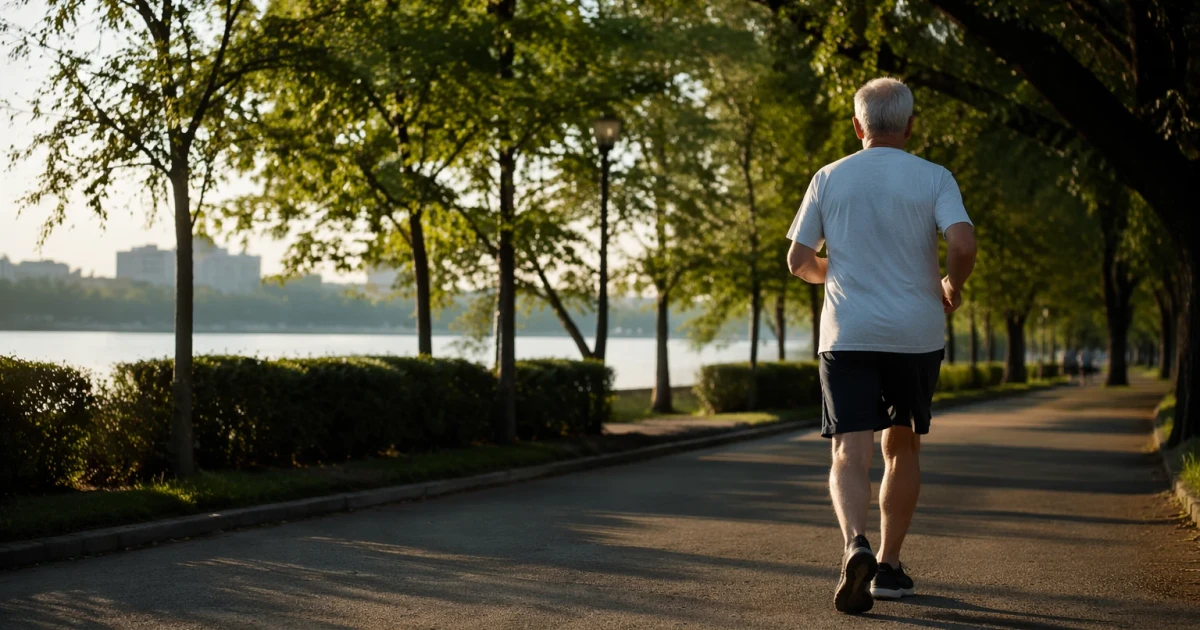
The strongest dementia advice is less glamorous than the wellness market suggests: move more, protect cardiovascular health, and treat prevention as risk reduction rather than a promise. Nature’s latest look at the science cuts through miracle claims and lands on a harder truth: some habits appear to help, but none offer certainty.
What the science is really asking
The central question is not whether brain health matters. It is which habits change the odds enough to matter, and which claims go farther than the evidence. That distinction matters because dementia remains one of the most feared age-related conditions, and the public is flooded with advice that blurs association with causation.
The most credible takeaway is that prevention is cumulative. Diet, exercise, social connection, sleep and cardiovascular health all sit inside the conversation, but the evidence does not support a single shortcut or a cure. The most useful guidance starts with what can be measured, followed over time, and tested in real populations.
Why the stakes are so high
The World Health Organization says around 50 million people worldwide are living with dementia, with one new case every three seconds. It developed dementia risk-reduction guidelines because the condition has major social and economic impact and there is still no curative treatment.
That is why prevention research has become so important. It is also why the 2024 Lancet Commission on Dementia Prevention, Intervention, and Care drew attention to 14 modifiable risk factors across the life course. The commission added two more to the list, high LDL cholesterol and vision loss, and said nearly half of all dementia cases worldwide could be prevented or delayed if those risks were addressed. That is not a guarantee for any one person, but it does turn prevention into a public-health strategy with real policy implications.
The message from that evidence base is practical: the brain does not sit apart from the rest of the body. Cardiovascular health, vascular risk, and day-to-day habits shape the environment in which cognitive decline either accelerates or slows.
What the best trial evidence shows
The cleanest test in the notes is U.S. POINTER, a two-year, multi-site randomized clinical trial reported on July 28, 2025 and presented at the Alzheimer’s Association International Conference in Toronto the same day it was published in JAMA. The study enrolled adults ages 60 to 79 who were already at increased risk because of factors such as sedentary lifestyle, suboptimal diet, cardiometabolic health, and family history of memory impairment.
Its result is encouraging, but not simplistic. Both the structured and self-guided multidomain lifestyle interventions improved cognition in older adults at risk of decline. The more structured program produced greater improvement in global cognition than the self-guided version. That difference matters because it suggests intensity, support and follow-through may change the size of the benefit.
U.S. POINTER does not prove that a single behavior can ward off dementia. It does show that bundled lifestyle changes can improve cognitive outcomes in people already at risk, and that the way those changes are delivered may matter as much as the list of behaviors itself.
Where the evidence is still uneven
The strongest caution comes from the evidence profiles linked to the World Health Organization’s guidance. Those profiles say the current knowledge of physical activity’s benefit for dementia prevention is still mainly observational. In other words, people who are more active tend to have lower risk, but that does not automatically prove exercise alone caused the difference.
The same profiles note that exercise trials designed specifically to prevent cognitive decline have been less successful, and that there is only limited evidence that fitness-improving exercise benefits cognition in people without symptoms. That is a crucial distinction. A habit can be good for health overall and still have a smaller or less certain effect on dementia than popular advice implies.
This is where much of the public conversation goes wrong. The evidence does support movement, but it does not support selling exercise as a stand-alone shield. It also does not justify the leap from one favorable study to universal certainty. That is exactly the kind of overstatement the Nature feature pushes back against.
What matters most in practice
The clearest hierarchy in the evidence is straightforward:
• Physical activity deserves a central place, especially when it is part of a broader lifestyle program rather than a solo fix.
• Cardiovascular and cardiometabolic health matter because the Lancet Commission ties lower dementia risk to better cardiovascular health measures, and the 2024 update added high LDL cholesterol to the list of modifiable risks.
• Sleep belongs in the prevention picture, but the size of its effect remains less precisely defined than the strongest cardiovascular findings.
• Social engagement may help, particularly when it reduces isolation and supports routine, but it is not a guarantee against decline.
The point is not to turn prevention into a checklist of perfect habits. It is to recognize that the most defensible steps are the ordinary ones with the strongest overall evidence behind them. That means more movement, better risk-factor control, steadier routines, and enough social and cognitive engagement to keep life structured.
The sober conclusion
Dementia prevention is a science of probabilities, not promises. The WHO’s guidelines, the Lancet Commission’s expanded list of modifiable risks, and U.S. POINTER’s trial results all point in the same direction: some lifestyle changes can lower risk or improve cognition, but the benefit is shaped by context, support and the mix of risks already in play.
That is a more useful answer than a miracle supplement or a headline-friendly diet rule. It is also the one the evidence can defend.
Sources
- [1]nature.com
- [2]who.int
- [3]thelancet.com
- [4]alz.org
- [5]aaic.alz.org
- [6]cdn.who.int