Health
Nature maps brain cells that turn meaning into sentences
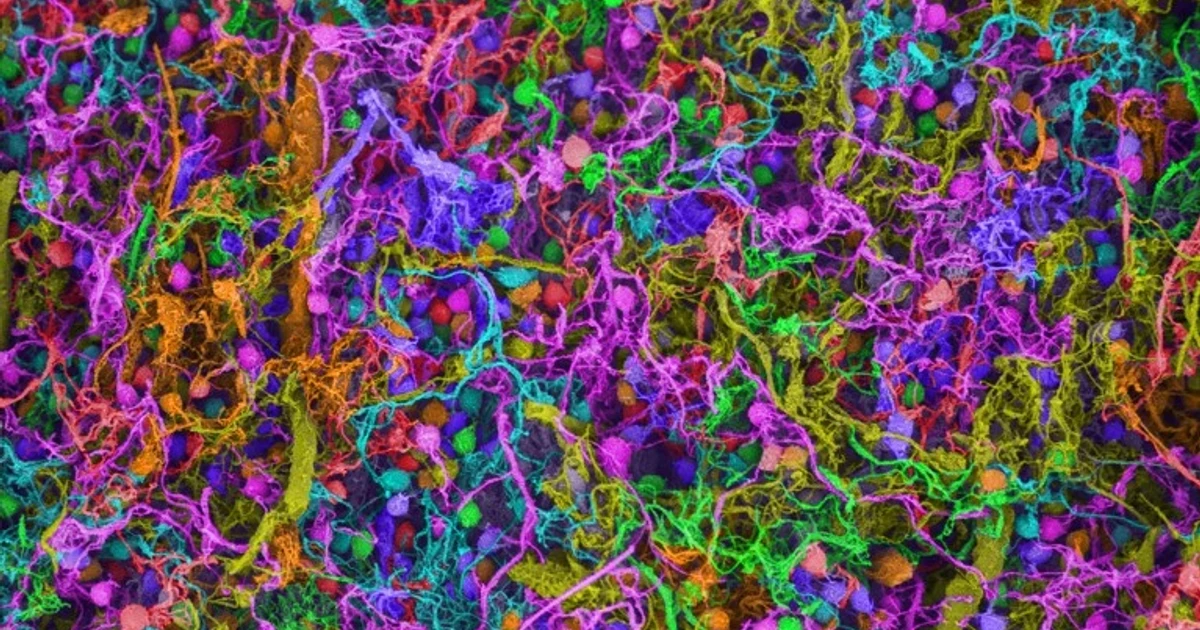
The brain does not seem to assemble a sentence from one all-purpose language hub. Instead, new cell-level maps show specialized neurons in the frontotemporal cortex working in sequence to turn meaning into spoken language, a process that can break down after stroke, traumatic brain injury or degenerative disease.
The study, published by Nature on June 17, 2026, used microelectrode arrays implanted in eight epilepsy patients for monitoring and recorded naturally flowing conversations. Machine-learning models could predict grammar, meaning and context from the neural signals, and some neurons reflected basic word meanings and roles while others handled the higher-order work of grouping phrases into structured sentences. The models could even distinguish between similar phrases and words when sentence context changed, offering a rare look at speech production at the level of individual cells. Researchers including Ziv Williams, Sydney Cash, Debara Tucci, Jing Cai, Arjun R. Khanna, William Muñoz and Young Joon Kim were part of the effort at Massachusetts General Hospital and Harvard Medical School.
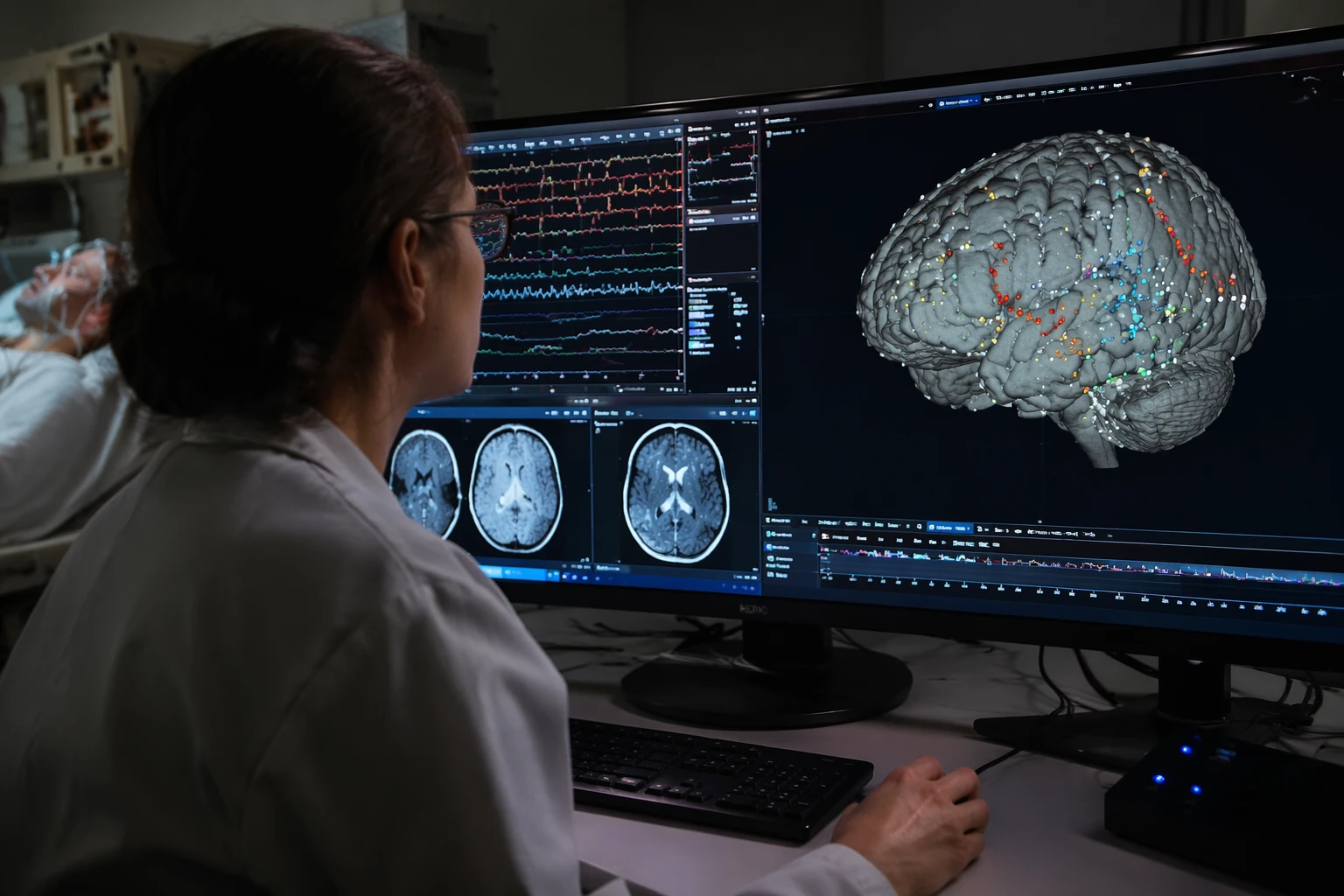
That detail matters because language injury is not rare and it is not evenly distributed. NIH and National Institute on Deafness and Other Communication Disorders sources estimate that about 2 million people in the United States live with aphasia, often after stroke. For those patients, the new findings point toward a future in which clinicians may be able to identify which circuits failed, rather than treating speech loss as a single, undifferentiated problem.
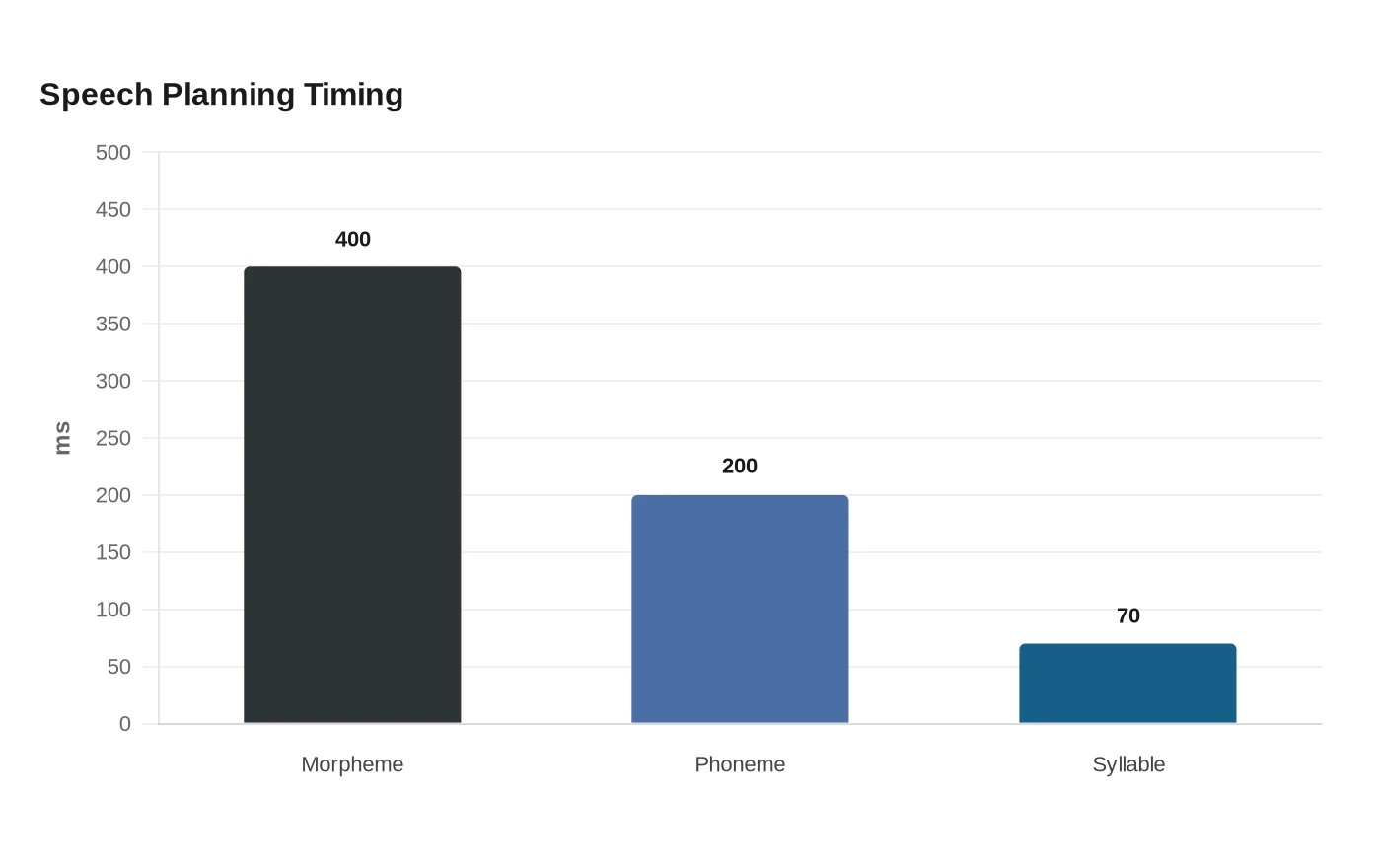
The new work builds on a 2024 Nature study in five native English speakers that used Neuropixels probes to show an ordered cascade in speech planning: morpheme-related neurons fired about 400 milliseconds before utterance, phoneme neurons about 200 milliseconds before, and syllable neurons about 70 milliseconds before. Harvard later noted that people speak at about three words per second in natural speech, a pace that leaves the brain very little time to do this work.
The larger picture is shifting too. The language network is now understood as left-dominant and distributed across frontal, temporal and parietal regions, not confined to a single language center. That is why these neuron-by-neuron maps matter beyond basic science: they could help refine aphasia diagnosis, guide rehabilitation after stroke, and shape assistive communication systems and brain-computer interfaces that someday translate neural activity into machine-generated speech.
Sources
- [1]nature.com
- [2]nih.gov
- [3]massgeneral.org
- [4]news.harvard.edu
- [5]nidcd.nih.gov
- [6]frontiersin.org