World
Nauru renames itself Republic of Naoero to honor heritage
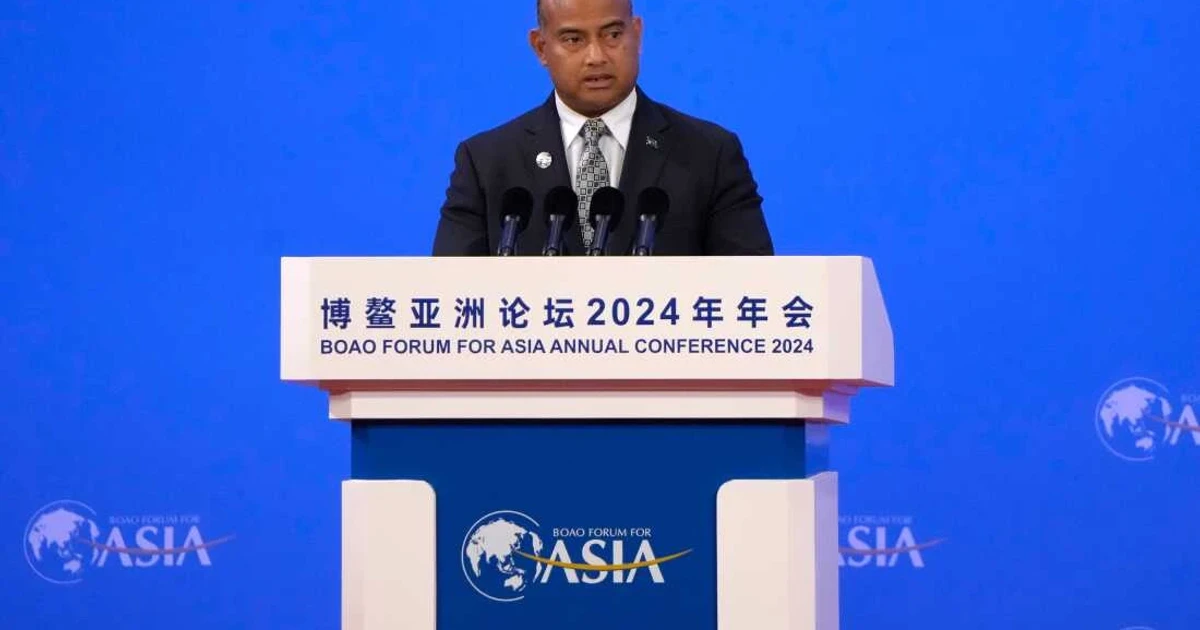
Nauru has changed its name to the Republic of Naoero, President David Adeang said, bringing the Pacific island nation’s official title into line with the spelling and pronunciation used in its national language, Dorerin Naoero. The move followed a constitutional amendment approved by Nauru’s parliament in May 2026, after a planned referendum was dropped because Naoero already carried significance for the country and appears on the national coat of arms.
Adeang cast the change as a corrective to colonial history, saying it would “more faithfully honour our nation's heritage, our language, and our identity.” The new name restores a word that was lost more than a century ago under colonial rule, and it formalizes the way many residents already describe themselves. The country’s people will now be referred to as dei-Naoero rather than Nauruan.
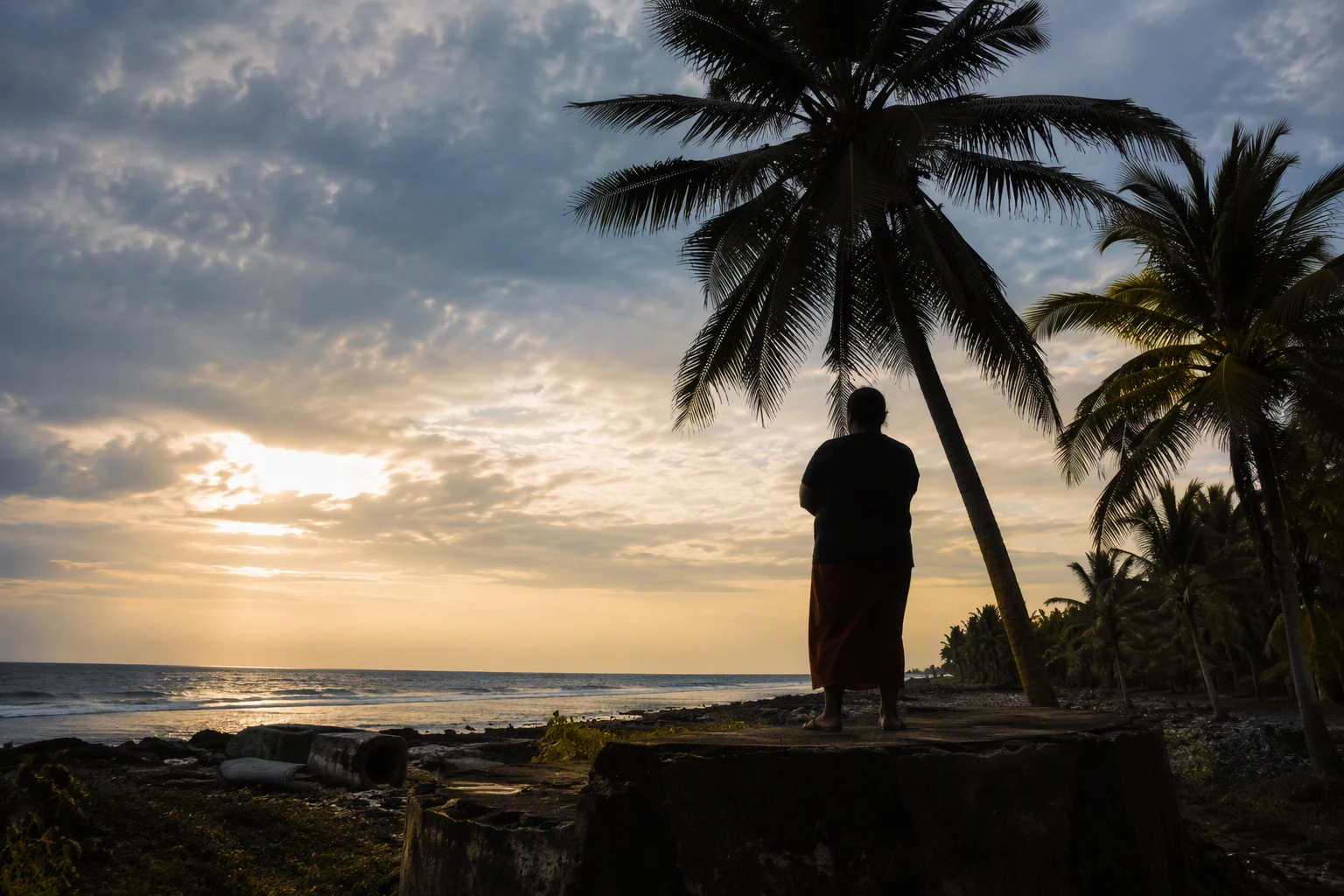
The rename also has practical consequences far beyond symbolism. The international code was reported to shift from NRU to NRO, a change that will affect the country’s place in passports, maps, treaty records and the databases used by international institutions. For a state of roughly 12,000 people, those updates matter: Nauru is the world’s third-smallest nation after Vatican City and Monaco, and widely described as the smallest republic.
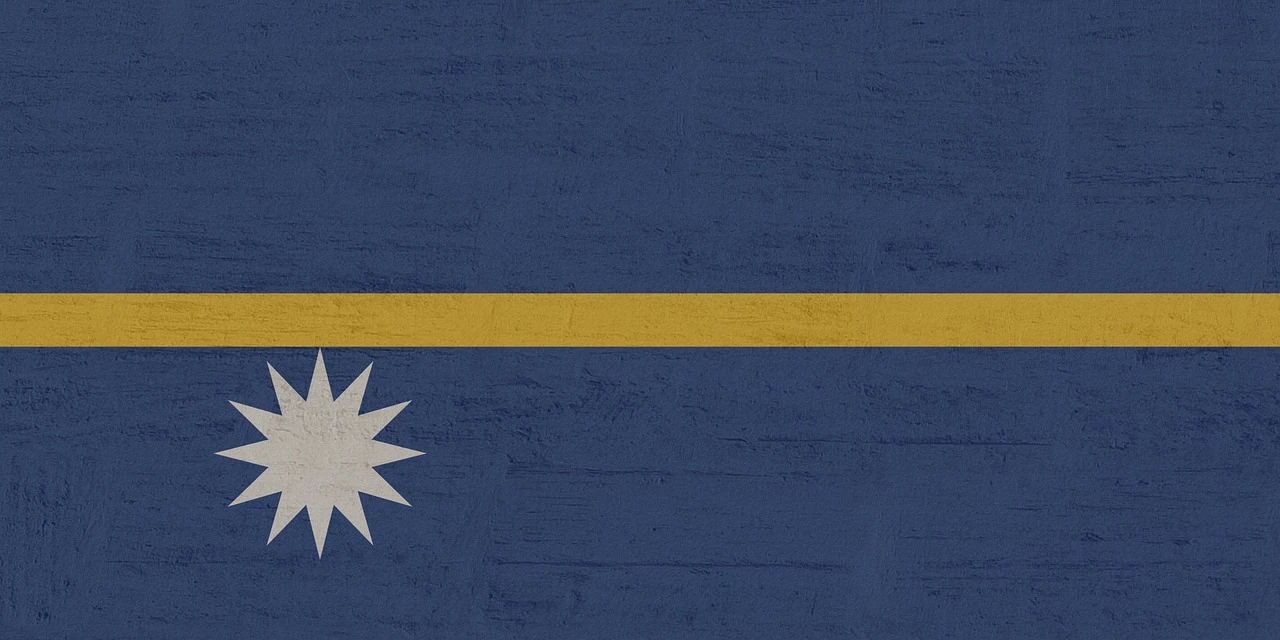
The name change also brings the official record closer to local usage. Nauru’s identity has long been tied to language and place, and the shift to Naoero reflects that national self-definition more directly than the English-language name used for generations. In diplomatic terms, it gives the country a name that matches how it is spoken at home and how it wants to be identified abroad.
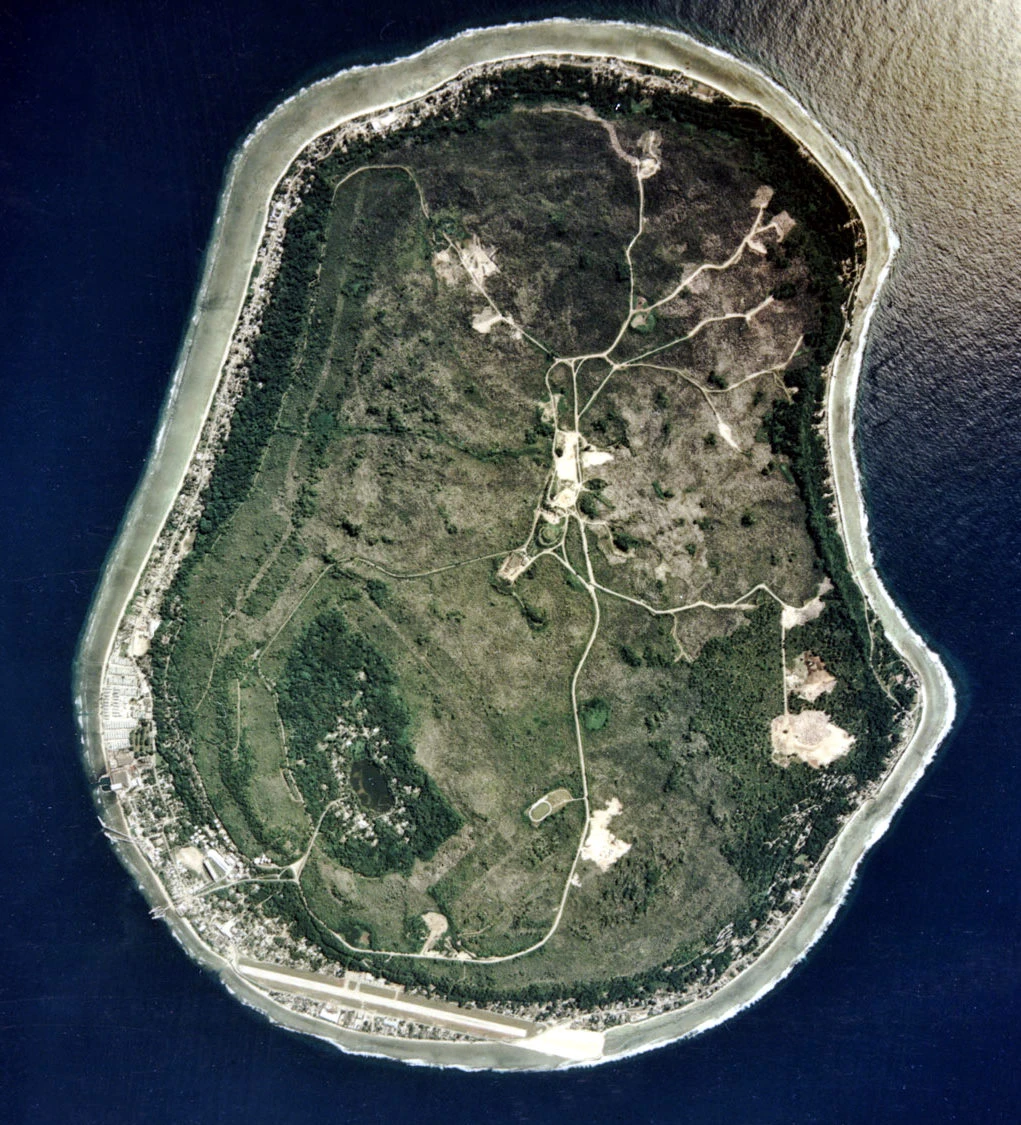
The island’s naming history has changed before. Early European visitors called it Pleasant Island, and in more recent decades Nauru has been linked internationally to Australia’s offshore detention policy. By reclaiming Naoero, the government has put decolonization and indigenous-language recognition at the center of state identity, with the new name now set to travel through official documents, global maps and the institutions that recognize the country’s sovereignty.
Sources
- [1]npr.org
- [2]reuters.com
- [3]france24.com
- [4]aljazeera.com
- [5]abc.net.au
- [6]constitutionnet.org
- [7]bbc.com
- [8]thehill.com
- [9]taipeitimes.com