Sports
NBA Tanking Looms as Play-In Race Expands to 10 Teams
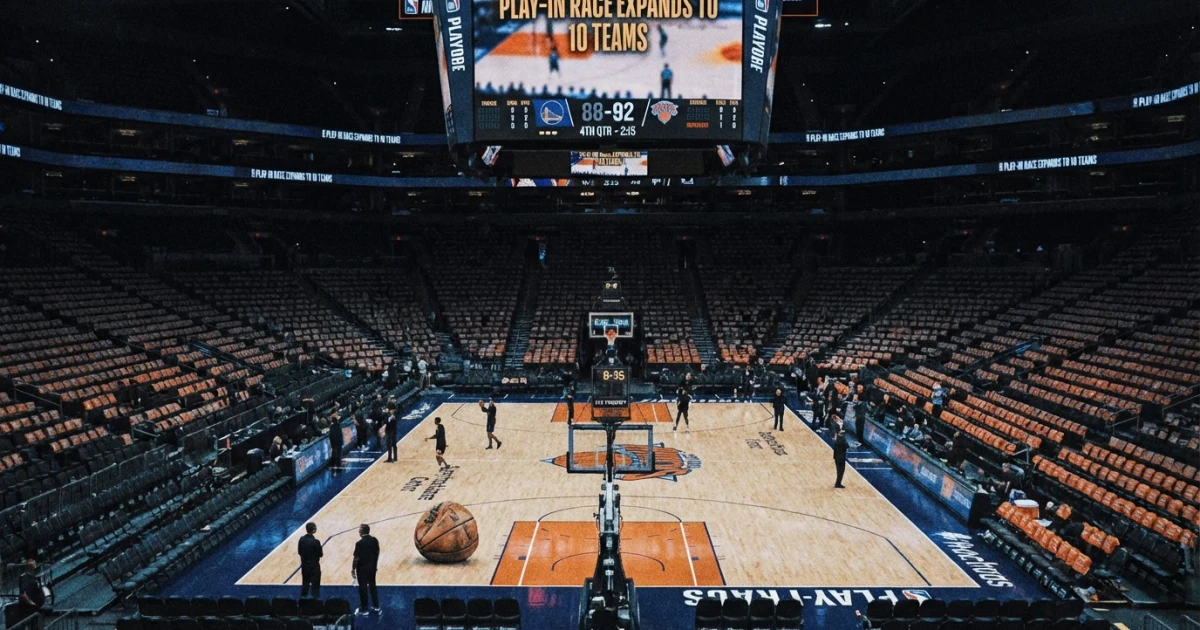
The NBA's expanded play-in tournament—now involving 10 teams in each conference—has sparked debate about the unintended consequences for the league's competitive integrity. As more teams find themselves on the postseason bubble, a growing number are choosing to prioritize draft lottery odds over late-season victories, leading to what many describe as some of the worst basketball of the year.
Play-In Tournament Expansion and Its Ripple Effects
The league's decision to expand the play-in tournament was made with the aim of generating more meaningful games, keeping more teams in the postseason hunt deeper into the season. In theory, this should reduce tanking—the practice where teams deliberately lose games to improve their draft lottery odds. However, as SB Nation highlighted, the current format has instead produced what they call a "10-team tanking spectacular," where the distinction between competing for the play-in and positioning for a top draft pick has blurred.
More Teams, More Incentives to Tank
- With 10 teams per conference now eligible for the play-in, teams hovering around 11th or 12th place must weigh the slim odds of postseason success against the potential value of a high draft pick.
- This dynamic has led some franchises to rest key players, experiment with untested lineups, or otherwise deprioritize winning as the regular season winds down.
- As a result, fans and analysts have noted a marked decline in game quality among teams outside the true playoff picture.
Statistical Evidence of Declining Performance
Recent offensive rating data and team win totals reinforce concerns about the quality of play among bottom-tier teams. Metrics show a clustering of poor offensive and defensive performances among clubs most incentivized to tank, with some teams fielding lineups featuring inexperienced or fringe NBA talent.
This trend is reflected in the late-season standings, where the gap between teams barely missing the play-in and those in the hunt for top draft positions is often razor-thin. For example, teams ranked 10th through 14th in each conference frequently have similar records but vastly different strategic priorities.
The Tankathon and the Draft Lottery
The Tankathon website, which tracks NBA draft lottery odds in real time, has become a fixture for fans of struggling teams. As the season progresses, franchises on the playoff bubble must decide whether to push for a play-in spot or "embrace the tank" for a shot at a top draft pick. This dilemma is especially acute for teams with young cores, expiring contracts, or injuries to star players.
The upcoming NBA Draft offers additional incentive for bottom-tier teams: a chance to land a franchise-altering talent. With high lottery odds at stake, the temptation to deprioritize winning becomes stronger, especially in the final weeks of the season.
Fan and Analyst Reactions
SB Nation's assessment is blunt: the result of this play-in and tanking dynamic is "disgusting basketball." Games between teams out of contention for direct playoff spots but still eligible for the play-in often devolve into low-effort affairs, with fans witnessing rotations filled with G League call-ups and bench players rather than established stars. The entertainment value of these contests has come under scrutiny, with calls for the NBA to reconsider how to balance competitive integrity with rewarding the worst teams in the draft.
Looking Ahead: Can the NBA Address Tanking?
As the regular season concludes, the spotlight remains on how the NBA might adapt its format to reduce incentives for tanking while keeping games meaningful for fans. Some have proposed further reforms to draft lottery odds, or even a "draft wheel" system that would decouple losing from draft position. For now, the league faces a dilemma: the expanded play-in tournament has raised the stakes for more teams, but it has also amplified the annual race to the bottom, with fans left to sift through a schedule filled with games of questionable competitiveness.
As front offices and the league office weigh their options, the coming months may see renewed debate over how to safeguard the NBA's product—both on the court and in the eyes of its global audience.