Sports
NCAA keeps transgender sports policy unchanged after Supreme Court ruling
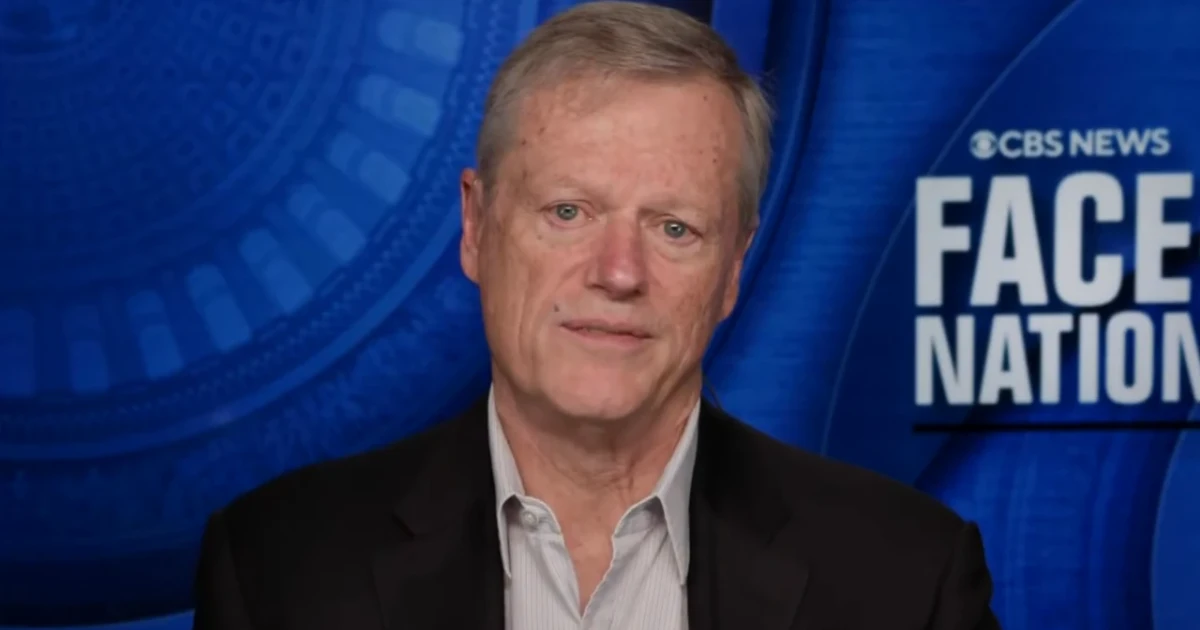
NCAA President Charlie Baker said the association’s transgender participation rules will stay in place even as the Supreme Court moved toward upholding state bans on transgender athletes in girls’ and women’s sports. The ruling effort involves Idaho and West Virginia, two of 27 states with such laws, and the challenge was brought by Lindsay Hecox of Idaho and Becky Pepper-Jackson of West Virginia.
Baker drew a sharp line between court rulings aimed at states and the NCAA’s national policy for its 1,100 member schools. In an interview airing Sunday on Face the Nation, he said, “After I got this job ... we adopted and complied with the standard that was put forth by the Trump administration. I think what happens at the state level is a different question.” The practical result is a system in which state laws can restrict school participation inside those states while NCAA eligibility rules continue to govern college competition nationally.
The NCAA updated its transgender participation policy on February 6, 2025, one day after President Donald Trump signed an executive order directing the federal government to treat Title IX as prohibiting transgender girls and women from competing on female teams. Under the current NCAA policy, women’s competition is limited to student-athletes assigned female at birth. Student-athletes assigned male at birth may still practice with women’s teams and receive benefits while practicing, and student-athletes may compete and practice in men’s sports regardless of sex assigned at birth or gender identity.
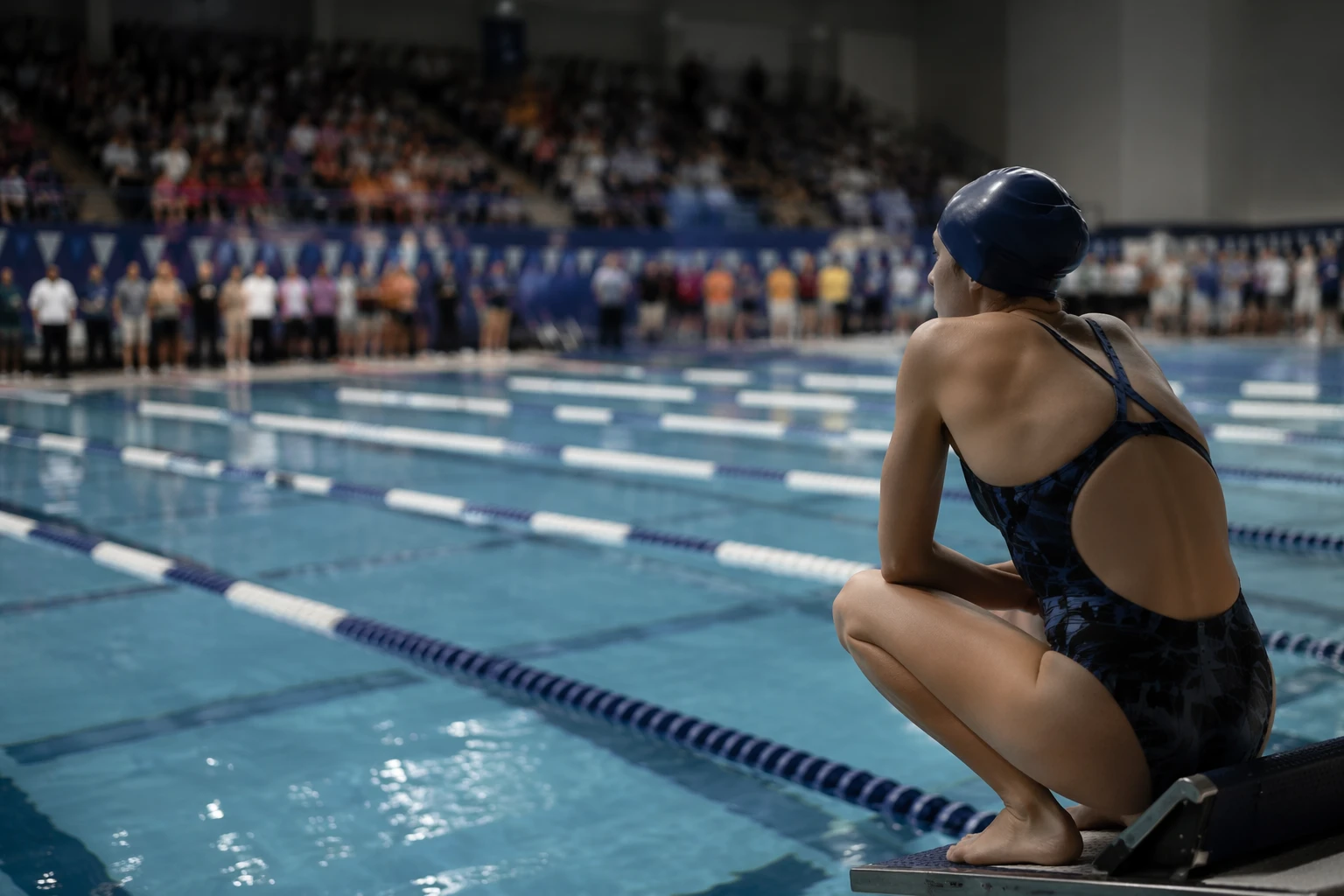
Baker told Congress in February 2025 that the NCAA covers more than 530,000 student-athletes at 1,100 colleges and universities across all 50 states. He also said in December 2024 that he knew of “less than 10” transgender athletes among those athletes. That scale matters now because the association is trying to impose one rule across a system that already contains state-by-state bans and differing institutional obligations.
The NCAA’s policy shift itself was the latest turn in a series of changes. In January 2022, the association adopted a sport-by-sport approach aligned with the United States Olympic and Paralympic Committee and the International Olympic Committee, including documentation of sport-specific testosterone levels and a phased rollout that began with the 2022 winter championships. That policy was later replaced in 2025.
The national landscape shifted again in July 2025, when the United States Olympic and Paralympic Committee effectively barred transgender women from women’s sports, saying it had an obligation to comply with federal expectations. Baker’s latest remarks suggest the NCAA sees the Supreme Court’s state-law ruling as separate from its own national standard, keeping college sports in a patchwork of federal pressure, state bans and association-level eligibility rules.
Sources
- [1]cbsnews.com
- [2]ncaa.org