Health
Nearly 1.6 million dozen eggs recalled over salmonella risk
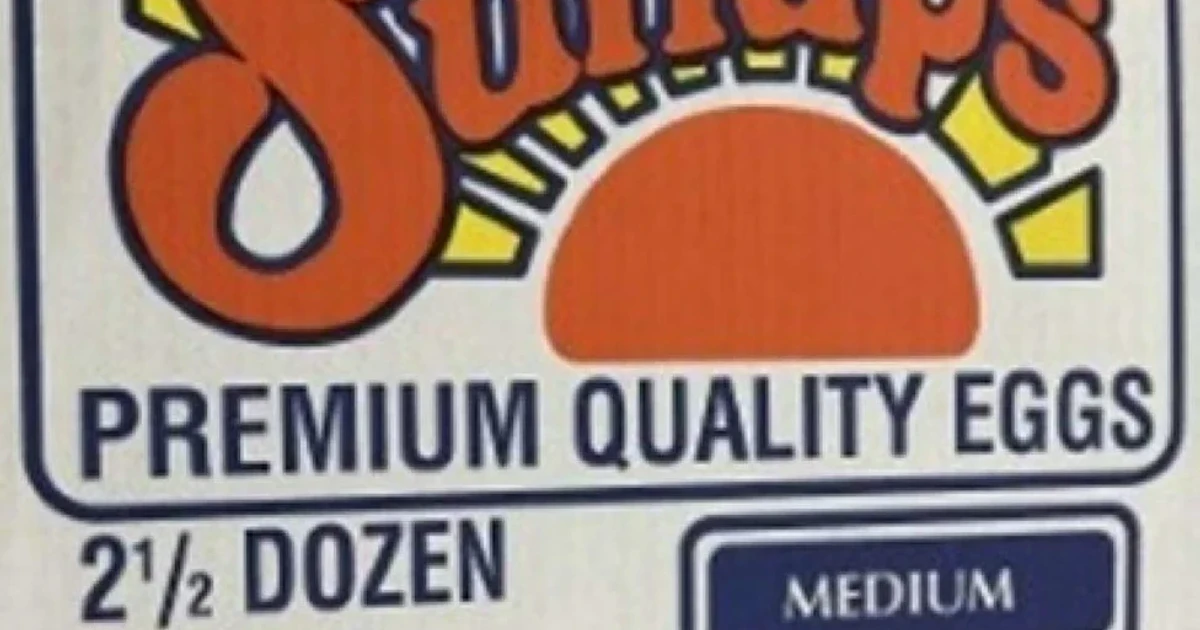
Midwest Poultry Services, L.P. recalled nearly 1.6 million dozen shell eggs on July 22 after the U.S. Food and Drug Administration said the white-shell and brown-shell cage-free eggs may be contaminated with Salmonella Enteritidis. The eggs were produced in Texas, putting a large volume of a basic grocery item into a food-safety review that reached well beyond one packing line.
The recalled eggs were sold through Kroger and Brookshire stores, and Oklahoma stores were identified as affected. An ABC4 Utah social media summary listed Arkansas among the distribution states, showing how quickly the product moved across state lines before the risk was flagged. Households with the eggs should not eat them, should throw them away or return them to the retailer, and should clean any refrigerator shelves, containers or surfaces that may have come into contact with the cartons or eggs.
Salmonella can cause diarrhea, fever and abdominal cramps, and in severe cases the infection can spread beyond the intestines and require hospitalization. Young children, older adults, pregnant women and people with weakened immune systems face the highest risk of serious illness, which is why egg recalls tend to trigger immediate checks in kitchens, grocery stores and restaurant supply chains.
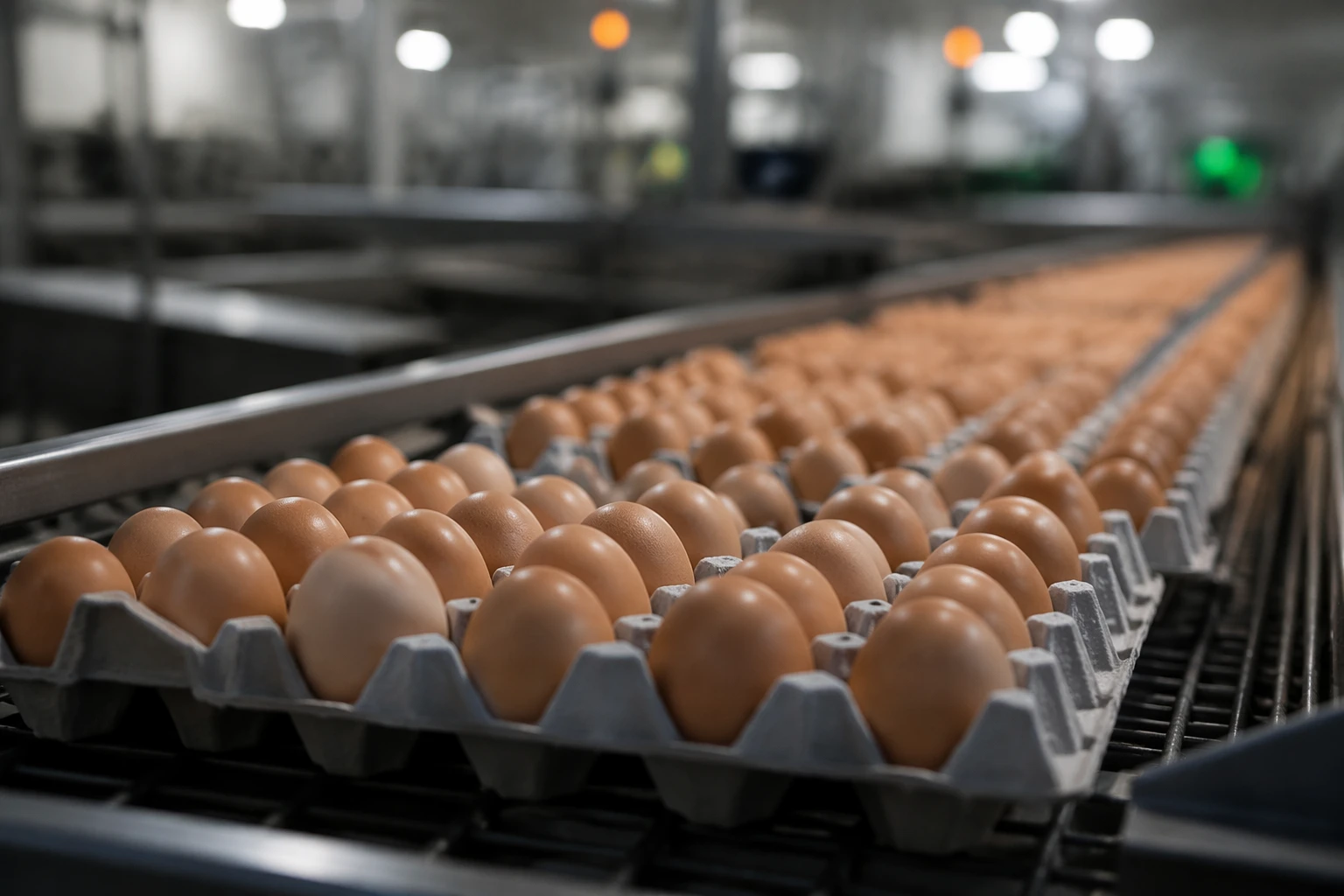
The FDA posted a recall notice for Midwest Poultry Services shell eggs and Salmonella Enteritidis contamination, using its recall system to identify the product and alert consumers while the company carries out corrective actions. Large recalls like this one can force supermarkets, distributors and food-service operators to audit inventory quickly, contact customers and pull cartons from shelves while investigators trace where contamination entered the chain.
The size of the recall also points to a persistent vulnerability in egg production. Contamination can move from farms and packing facilities into grocery stores and household refrigerators before anyone realizes there is a problem, and the FDA has also posted outbreak investigation pages for salmonella eggs in September 2024 and August 2025. That history underscores how a staple food can become a national recall item when oversight, testing and distribution all intersect at once.
Sources
- [1]reuters.com
- [2]fda.gov
- [3]usatoday.com
- [4]click2houston.com
- [5]abcnews4.com