Health
Nebraska Ends Hantavirus Quarantine for Five Residents
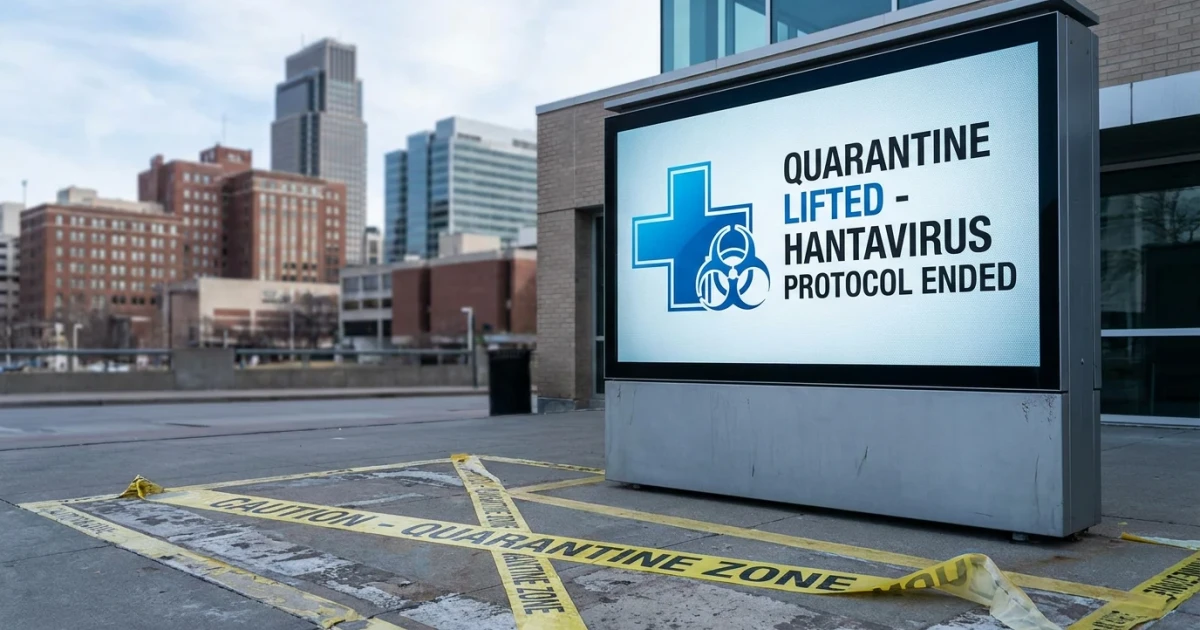
Omaha, Nebraska — Five individuals who were quarantined in Omaha due to possible exposure to hantavirus pulmonary syndrome have been released, according to a report from The New York Times. The development comes as another patient, a US cruise passenger, continues to observe a full 42-day quarantine in Nebraska, as confirmed by ABC News.
Quarantine Protocol and Release
Local health officials placed the five Omaha residents under quarantine following potential exposure to hantavirus pulmonary syndrome, a severe respiratory disease transmitted primarily through contact with infected rodents. The Centers for Disease Control and Prevention (CDC) recommends quarantine periods based on the incubation and clinical features of the virus, which can range from a few days up to six weeks.
- Five individuals completed their quarantine and showed no symptoms, according to The New York Times.
- One US cruise passenger will remain in quarantine in Nebraska for the full 42-day period, as reported by ABC News.
Medical authorities in Nebraska followed CDC guidelines for monitoring, symptom tracking, and isolation, aiming to prevent potential spread within the community.
Current Hantavirus Surveillance in Nebraska
Nebraska has historically seen few cases of hantavirus, but public health officials remain vigilant due to the virus’s severity. Hantavirus pulmonary syndrome has a high fatality rate, and symptoms can escalate rapidly from flu-like illness to severe respiratory distress.
- State records show sporadic hantavirus cases, with ongoing monitoring by the Nebraska Department of Health & Human Services.
- The CDC’s national surveillance data tracks annual case counts and outbreak patterns.
Quarantine Duration and Clinical Guidance
The standard quarantine for hantavirus exposure is determined by the virus’s incubation period, which can last up to six weeks. The CDC’s clinical guidance outlines that patients should be monitored for respiratory symptoms, fever, and signs of pulmonary distress. Those released in Omaha showed no symptoms throughout their observation, allowing for safe reintegration into the community.
The cruise passenger’s extended 42-day quarantine is consistent with CDC and World Health Organization recommendations for potential exposures, especially when symptoms may be delayed.
Public Health Response and Community Impact
Nebraska health officials have emphasized prevention measures, including rodent control and public awareness campaigns. The state’s public health updates provide guidance on minimizing exposure risks, particularly in rural and agricultural areas where rodent contact is more common.
- Community monitoring and rapid response protocols were credited for the safe release of the five individuals.
- Local hospitals and clinics remain alert for any new cases or symptoms among residents.
Looking Forward
While the release of the five Omaha residents marks a positive step, health officials continue to monitor the remaining cruise passenger and remind the public of the importance of early detection and prevention. Surveillance efforts and adherence to CDC protocols remain key to managing potential outbreaks and protecting vulnerable populations.
As new details emerge, Nebraska’s experience highlights both the challenges and successes in responding to rare but serious viral threats. Readers interested in learning more can review official statistics at the CDC Hantavirus case dashboard, and explore global hantavirus background from the World Health Organization.