World
Nepalese mountaineer Nims Dai confirmed dead in Broad Peak avalanche
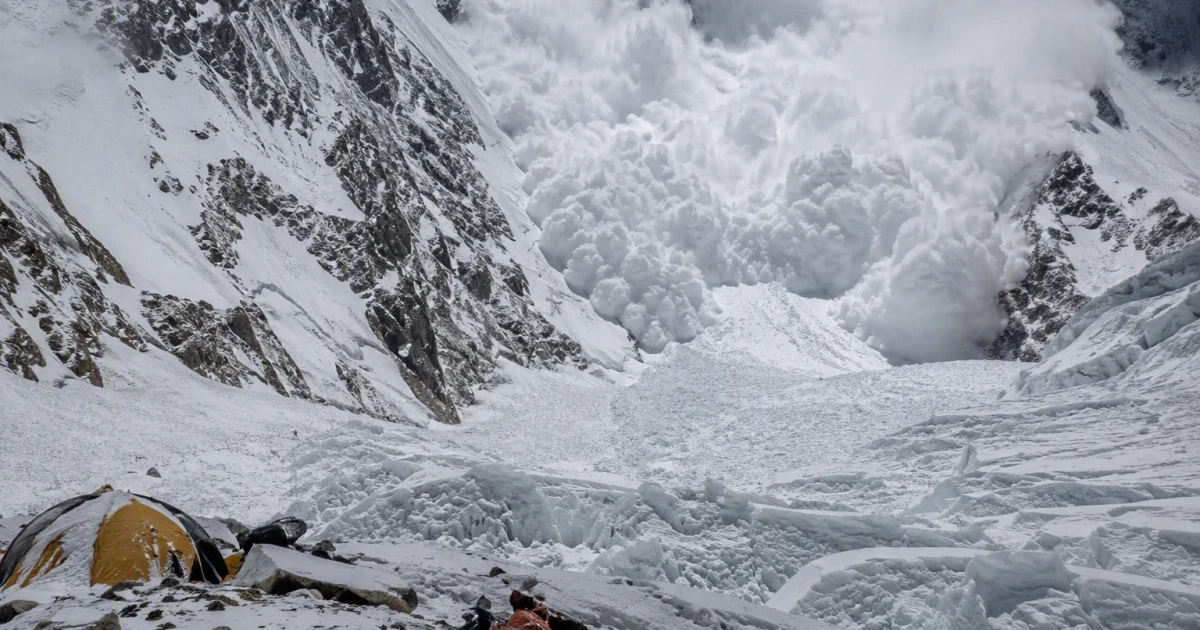
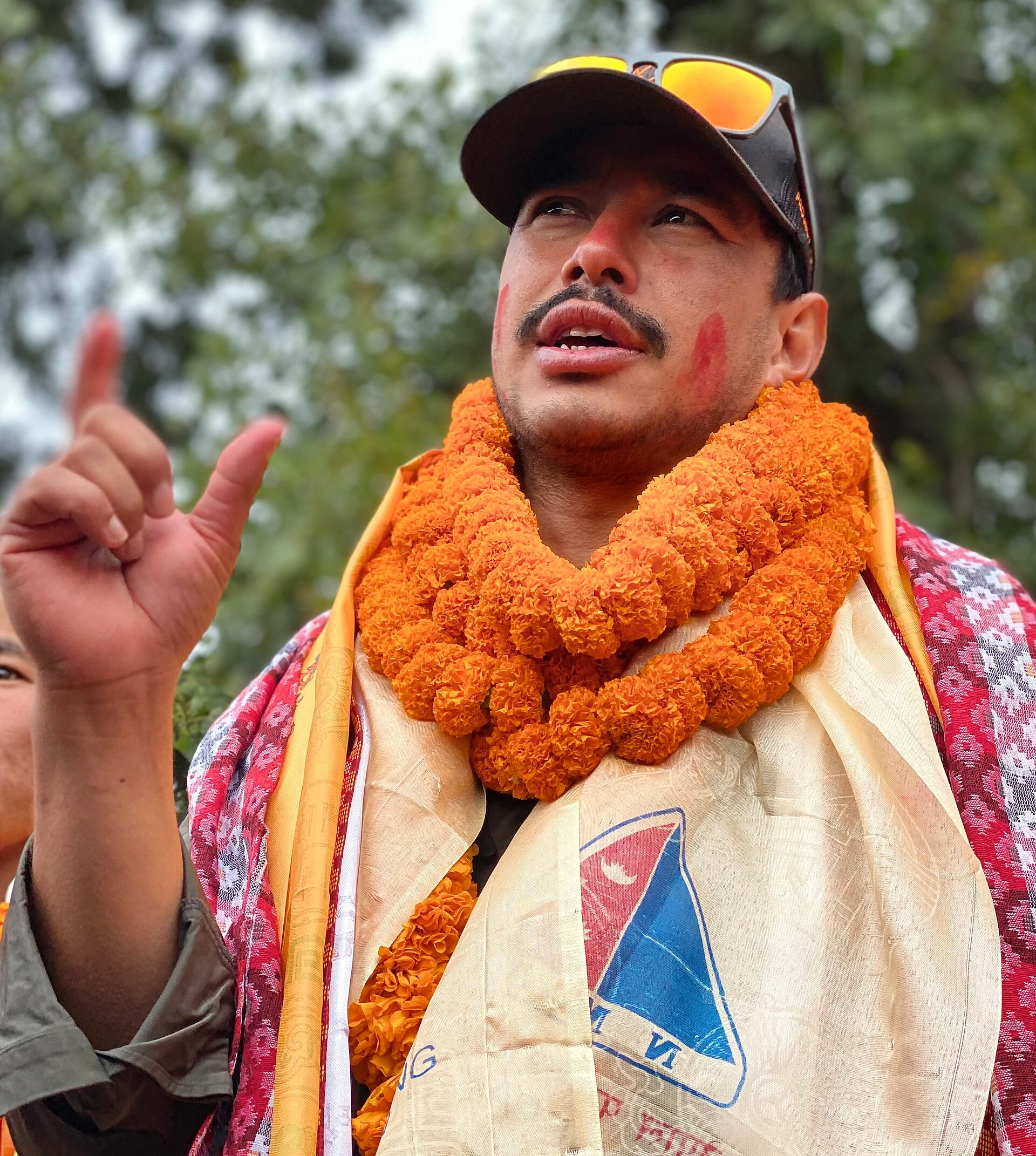
Elite Expeditions confirmed that Nirmal Purja, the Nepal-born former British Army soldier known as Nims Dai, was among those killed when an avalanche struck Broad Peak in Pakistan’s Karakoram range on July 30, 2026. Purja’s death closed the chapter on one of modern mountaineering’s most visible careers, built on speed records, high-altitude risk and a global audience that followed his climbs in real time.
Purja made global headlines in 2019 by summiting the world’s 14 highest peaks in just over six months. He was also widely described as the first person to climb all 14 of the world’s 8,000-meter peaks in under seven months without supplemental oxygen, a feat that turned him into a symbol of elite endurance and the commercialized, social-media-driven era of Himalayan climbing.
The avalanche hit a 10-person expedition on Broad Peak, the world’s 12th-highest mountain at about 8,047 meters, or 26,401 feet, near the China border in Gilgit-Baltistan. Initial reports said all 10 climbers were missing, including Purja. Rescuers later recovered four bodies from the avalanche site, and later reports said Purja was among those confirmed dead.
The expedition included climbers from Nepal, the United States, China, Pakistan and Oman, underscoring how international and professionally packaged high-altitude climbing has become. That reach also widened the scale of the loss, with Purja’s death reported alongside other climbers on the mountain. Pakistan Army helicopters were dispatched to support search and recovery teams, and the Pakistan Alpine Club was among the organizations tracking the missing climbers.
Broad Peak has long carried a grim reputation. Other expeditions had already left the mountain because of heavy snowfall, and coverage described its steep slopes, collapsing ice, hurricane-force winds and notorious summit route as some of the most dangerous conditions in mountaineering. Purja’s career had helped define an age in which achievement is measured not only by altitude, but by speed, visibility and the ability to keep climbing when the mountain itself has become less predictable.
Sources
- [1]bbc.co.uk
- [2]bbc.com
- [3]reuters.com
- [4]aljazeera.com
- [5]cbsnews.com
- [6]nationalgeographic.com
- [7]climbing.com
- [8]npr.org
- [9]indiatoday.in
- [10]nimsdai.com