Politics
Nepali Congress Leader Sitaula Calls for End to Retaliatory Politics
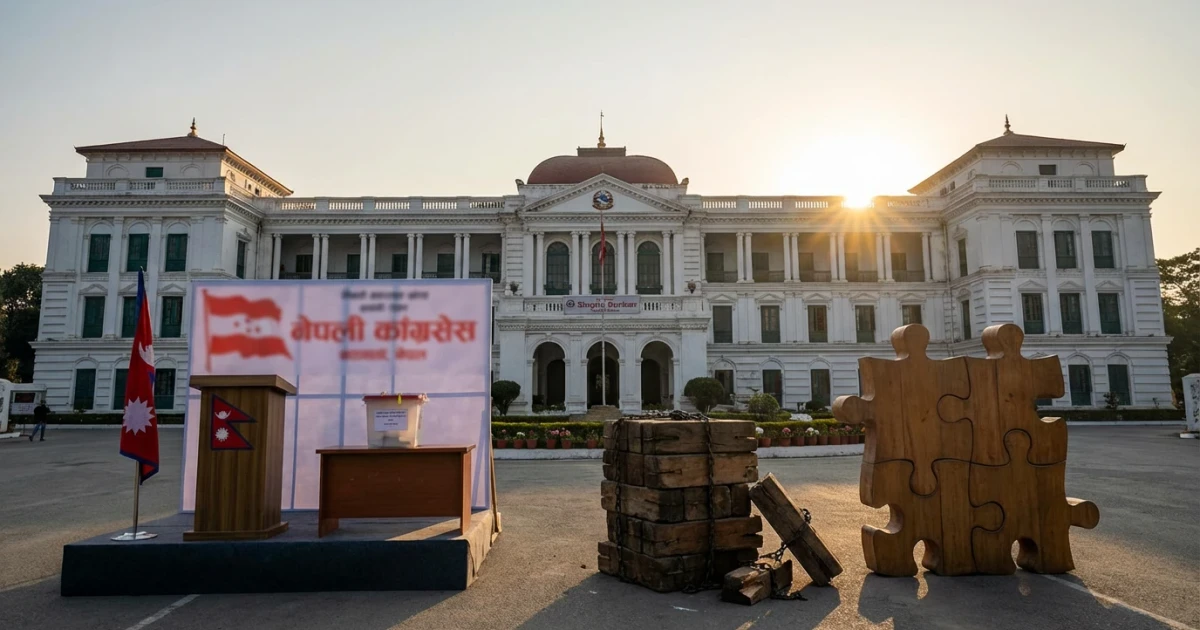
Nepali Congress senior leader Krishna Prasad Sitaula has called on the current government to move away from what he described as a politics of revenge, urging instead for a focus on democratic cooperation and stability. Sitaula’s comments, reported by Ratopati, come at a time of heightened political tension in Nepal’s multiparty system.
Background: Political Tensions in Nepal
Nepal’s political landscape has long been marked by shifting alliances and rivalries, with the major parties vying for influence in parliament and at the provincial level. The Nepali Congress, as one of the country’s oldest and largest political parties, has frequently found itself both in government and opposition. The party’s leaders have often advocated for constitutional values and multiparty democracy.
Sitaula’s Appeal for Constructive Politics
Addressing recent developments, Sitaula warned against the consequences of what he termed retaliatory politics. He argued that such approaches undermine democratic norms and distract from addressing the country’s pressing challenges. While Ratopati provided limited direct quotes, the report emphasized Sitaula’s message that government actions should not be motivated by past grievances or political score-settling.
- Sitaula urged the leadership to focus on good governance and public service rather than targeting political opponents.
- He highlighted the importance of respecting pluralism and the rule of law, as enshrined in Nepal's 2015 Constitution.
- Sitaula’s comments reflect ongoing debates about the use of state agencies in political disputes—a recurring concern in Nepal’s recent history.
Context: Governance and Political Disputes
Political analysts note that allegations of misuse of power and politicization of state institutions have fueled mistrust among parties. According to research by The Asia Foundation, recurring cycles of political retaliation have impeded consensus-building and effective governance in Nepal. Sitaula’s intervention is seen as an attempt to re-center the national conversation around democratic principles and dialogue rather than vendetta politics.
Looking Ahead: Calls for Reform and Dialogue
Sitaula’s remarks resonate with broader calls from civil society and international observers for an inclusive political process. The International Institute for Democracy and Electoral Assistance has noted that sustainable democratic development in Nepal depends on the willingness of parties to cooperate and respect institutional checks and balances.
As Nepal continues to navigate its democratic transition, leaders like Sitaula are urging all sides to prioritize national unity and reform. The effectiveness of these calls remains to be seen, but the public debate over the use of power and the direction of governance is likely to intensify in the coming months.
For readers interested in exploring the data behind Nepal’s political dynamics, the Election Commission of Nepal provides official results and party standings, offering context for the current political climate.