Politics
Nepali Congress Stands by Political Appointments Policy
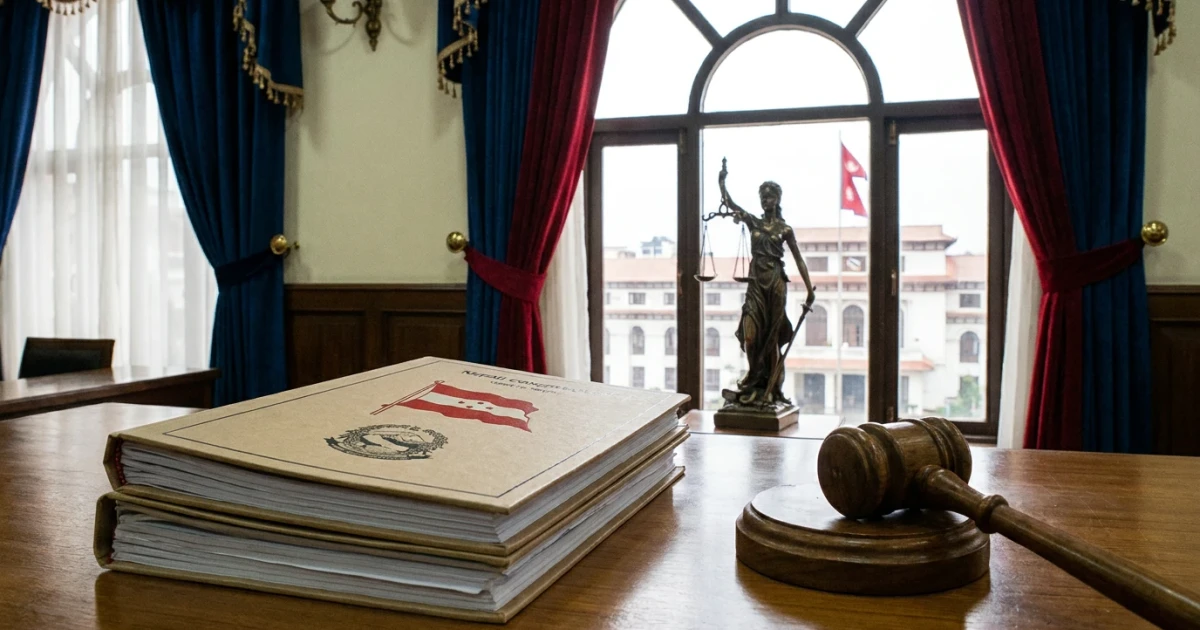
The Nepali Congress has publicly reaffirmed its commitment to its current policy on political appointments, emphasizing that such decisions are made in accordance with existing legal frameworks and are essential for effective governance. As debate continues over the role and transparency of political appointments in Nepal's public sector, the party’s stance highlights ongoing tensions between political necessity and the principles of merit-based selection.
Party’s Position on Appointments
According to Khoj Samachar, the Nepali Congress has maintained that its political appointments are conducted transparently and in full compliance with the Nepal Civil Service Act, which governs public sector appointments and outlines the legal procedures for such decisions. The party asserts that these appointments are necessary to ensure the effective execution of government policies by individuals who share the administration’s vision and priorities.
Context and Public Debate
The issue of political appointments has often sparked debate in Nepal, with concerns raised about the impact on public sector effectiveness and the potential for increased political influence in civil service roles. According to data from the Nepal Governance Indicators 2022, public perception of appointments has been mixed, with transparency and meritocracy cited as key concerns. Nonetheless, the Nepali Congress argues that such appointments are not only lawful but vital for implementing the party’s policy agenda.
- Official records show that political appointments have consistently been used by governing parties to fill key administrative and advisory positions.
- The CIAA Annual Report 2078/79 documents ongoing oversight and investigation into the appointment process, reflecting the importance of accountability.
- International IDEA data on political party activities in Nepal indicates that party-based appointments remain a standard practice across the political spectrum.
Legal and Oversight Mechanisms
While the Nepali Congress emphasizes that appointments are made within the boundaries of the Civil Service Act, oversight agencies such as the Commission for the Investigation of Abuse of Authority (CIAA) continue to monitor and investigate complaints regarding appointments. The CIAA’s latest annual report highlights several investigations into the selection process, underscoring the need for ongoing vigilance to ensure appointments serve the public interest.
Calls for Reform and Transparency
Transparency International’s Nepal Country Data points to continued challenges in balancing political considerations with public sector integrity. Civil society groups and governance experts have called for reforms that would strengthen merit-based systems and enhance transparency in appointment procedures. Nevertheless, the practice of political appointments remains deeply embedded in Nepal’s political culture.
Looking Ahead
As the Nepali Congress defends its policy, the debate around political appointments is set to continue. The balance between political expediency and good governance remains a key issue for Nepal’s democracy. Public attention is likely to remain focused on the effectiveness of oversight mechanisms and the degree to which future appointments reflect principles of merit and transparency.