Politics
Nepali Congress Unveils 8-Point Plan Addressing National Challenges
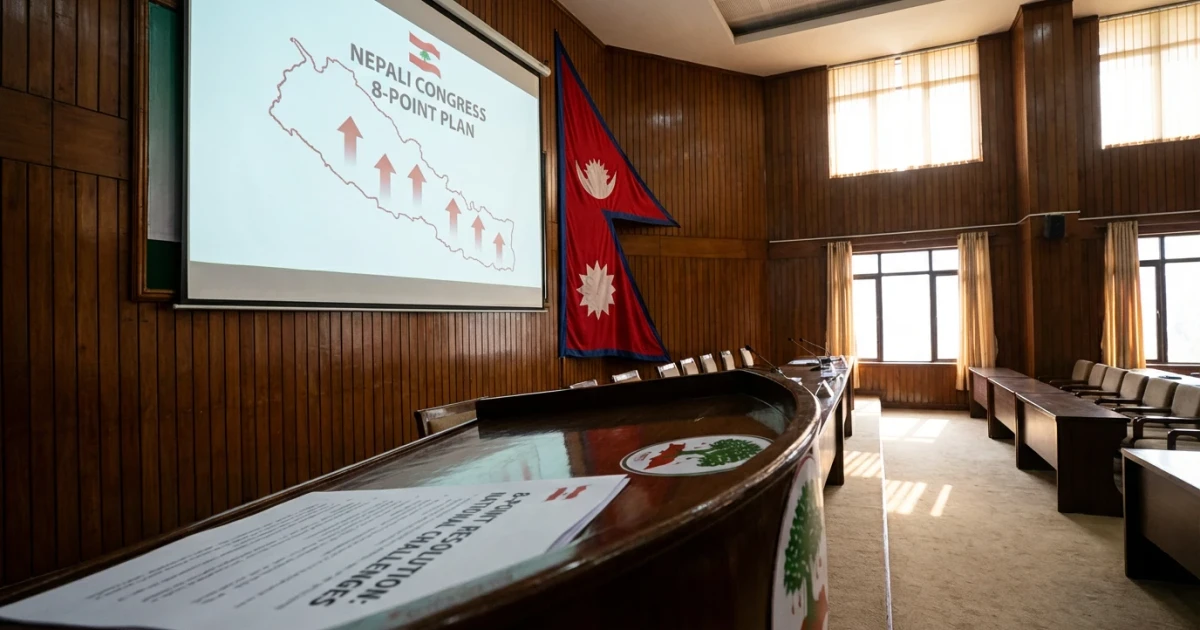
Nepali Congress, one of Nepal’s largest political parties, has adopted an 8-point resolution targeting major political and economic challenges facing the country. The announcement, made by the party’s Central Committee on April 16, outlines a comprehensive approach to governance, economic development, and institutional reform as Nepal continues to navigate domestic and global uncertainties.
Key Elements of the 8-Point Resolution
While the full text of the resolution has not been made public, the party emphasized that the plan addresses several pressing issues. According to a report by Ratopati, the resolution includes recommendations on:
- Strengthening democratic governance structures
- Promoting inclusive economic growth and poverty reduction
- Improving government transparency and accountability
- Responding to unemployment and economic slowdown
- Accelerating infrastructure and development projects
- Safeguarding democratic freedoms and civil rights
- Enhancing the effectiveness of anti-corruption measures
- Strengthening diplomatic relations in the region
Party leaders stated that the resolution was the product of extensive discussion within the Central Committee, reflecting input from senior figures and grassroots representatives. The party’s action comes as Nepal faces a shifting political landscape and mounting economic pressures.
Context: Economic and Political Challenges
Nepal’s economic growth has slowed in recent years, with challenges including post-pandemic recovery, inflation, and persistent youth unemployment. According to the Statistical Year Book of Nepal 2022, the country’s GDP growth rate has fluctuated, and the agricultural sector—employing a majority of the population—continues to face productivity hurdles.
On the governance front, survey data from the Nepal National Governance Survey 2022 indicates ongoing public concerns about the effectiveness of anti-corruption efforts and government service delivery. The latest governance indicators also highlight the importance of institutional reforms to boost public trust.
Political Significance and Reactions
The 8-point resolution signals the Nepali Congress’s intention to position itself as a driving force for reform ahead of future elections. By focusing on both political and economic fronts, the party seeks to address popular demands for improved livelihoods and more responsive governance.
The timing of the resolution coincides with heightened debate in parliament and within civil society over the pace of development and the direction of policy reforms. Analysts note that the party’s unified stance could strengthen its voice in national policy debates and shape the legislative agenda in the coming months.
Forward Outlook
While the effectiveness of the 8-point resolution will depend on detailed policy design and implementation, the move underscores the Nepali Congress’s recognition of the interconnectedness of political stability and economic growth. Observers will be watching how the party translates its resolutions into action and whether it can build consensus in Nepal’s often fragmented political environment.
For more information on Nepal’s current economic and governance indicators, readers can explore the Nepal in Data: Economy Sector and the latest official election results for party performance context.
As Nepal faces complex challenges, the coming months will test the party’s resolve and ability to deliver on its ambitious 8-point agenda.