Business
Nestlé plans to remove artificial food colourings worldwide by 2026
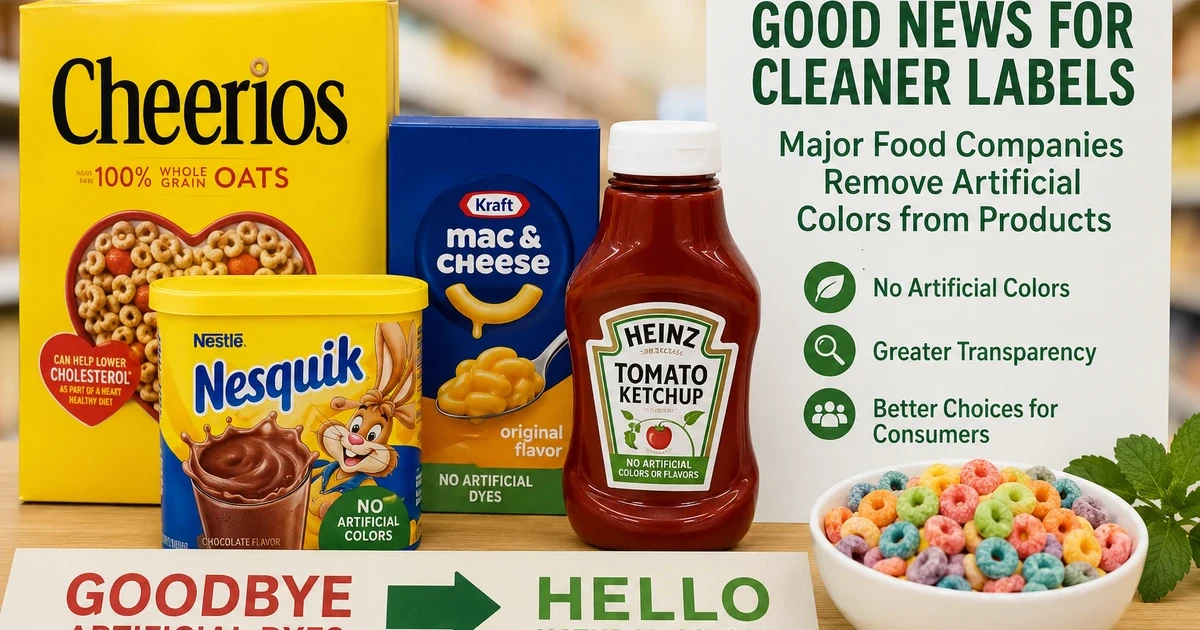
Nestlé said it will remove artificial food colourings from every product in its global portfolio by the end of 2026, a sweeping change the company says would make it the first major food maker to fully do so. The plan extends work Nestlé has already completed in the United States, where the company says its portfolio no longer contains artificial colourings.
The move lands in a market where ingredient lists have become a brand issue as much as a food science issue. Consumers, investors and regulators have been pushing manufacturers to simplify labels and make products look healthier, while demand patterns are shifting under the influence of GLP-1 weight-loss drugs and wider scrutiny of ultra-processed foods. Nestlé is positioning the change as both a response to that pressure and a way to stay ahead of it.
Stefan Palzer, Nestlé’s technology chief, said the company expects its global portfolio to be free of artificial colours by the end of the year. He described the transition as anything but simple, saying it was not a “slam-dunk” and that Nestlé had spent years on research and development to find natural substitutes, test them in production and make sure they would remain stable on the shelf.
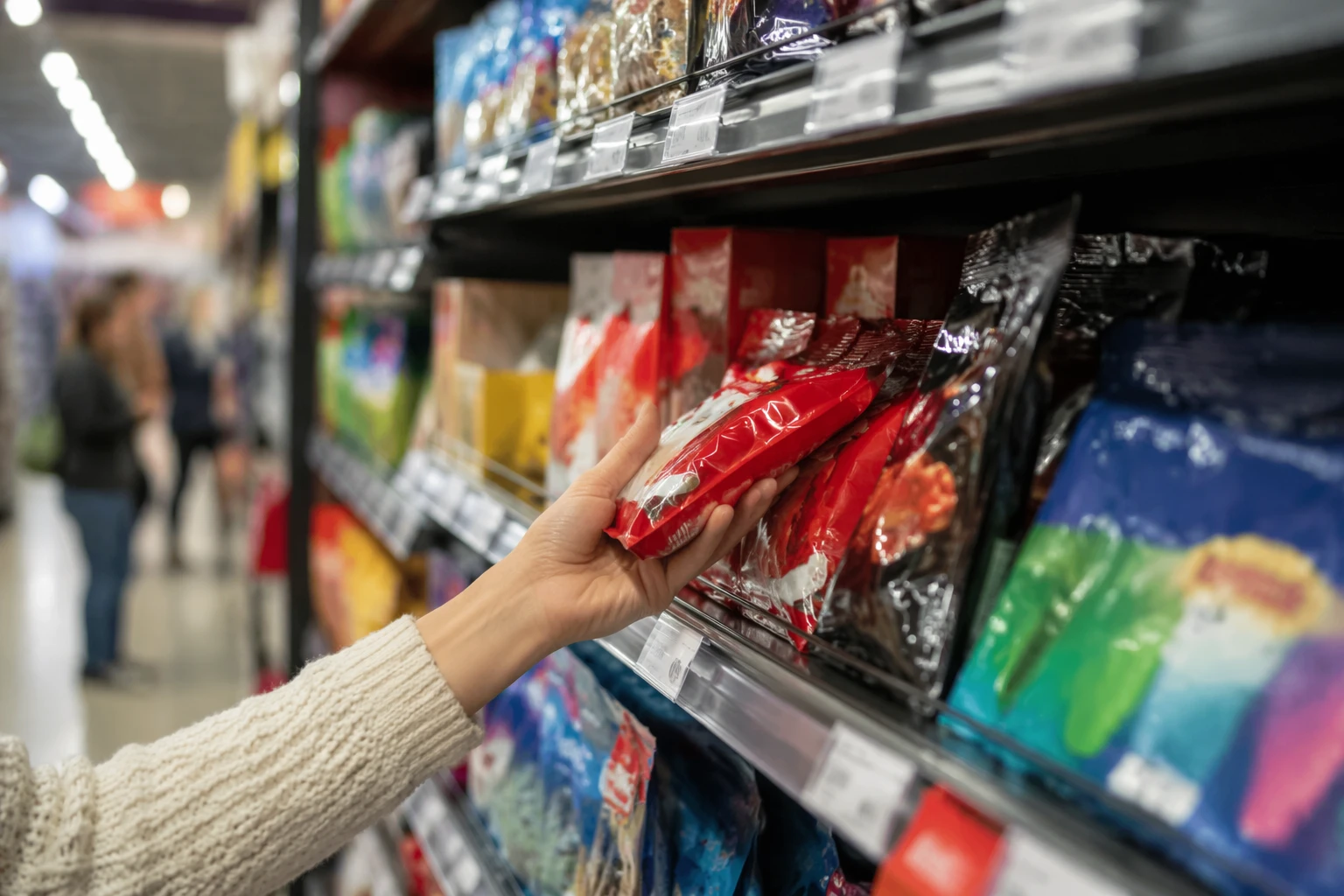
The timing also puts Nestlé squarely inside a broader U.S. debate over food additives. Health Secretary Robert F. Kennedy Jr. and the Food and Drug Administration said in 2025 that the agency aimed to remove ingredients including artificial food colourings, even as many scientists argue more research is still needed on the health effects of those additives. Against that backdrop, Nestlé’s decision reads as a bet that the next phase of competition in packaged food will be fought as much on ingredient perception as on taste or price.
Food manufacturers and retailers have already been moving away from synthetic dyes and certain sweeteners, and Nestlé’s scale gives the shift more weight. The company’s decision could force rivals to accelerate reformulation if shoppers begin to expect cleaner labels as the norm rather than the premium exception. That would leave less room for brands to wait out the trend and more pressure to reformulate before regulators or consumers make the choice for them.