Business
Nestle India rejects insect claims in MAGGI noodles amid regulator notice
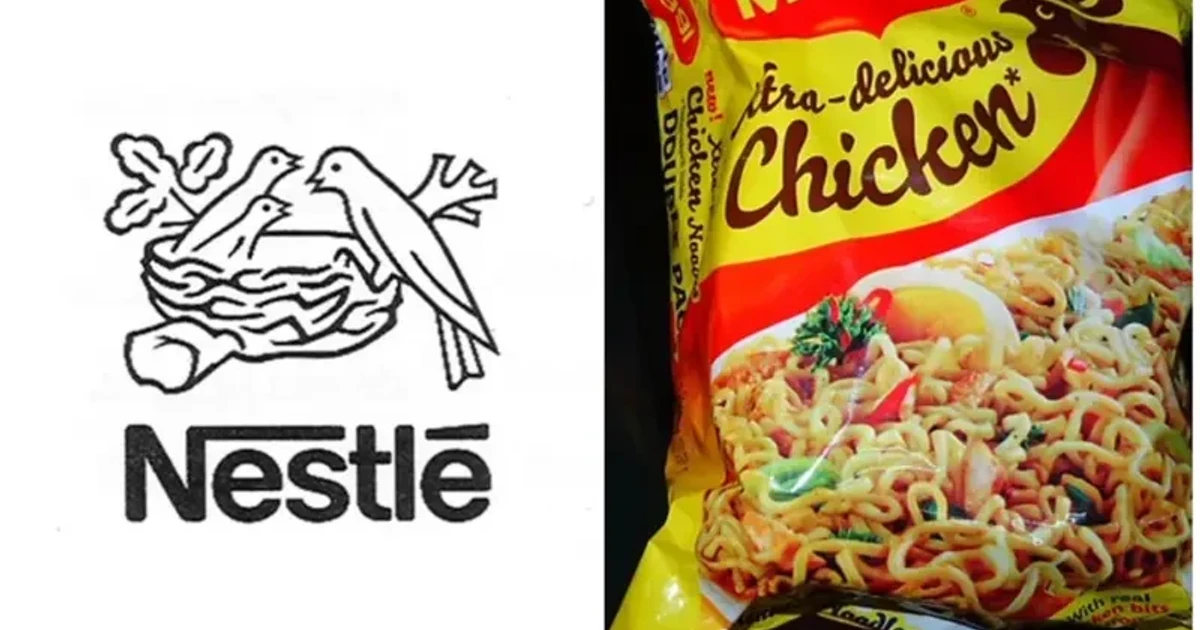
Nestle India moved to quash insect allegations in MAGGI noodles after India’s food regulator took cognizance of viral social-media complaints and sent the company a notice. The Food Safety and Standards Authority of India sought a detailed Action Taken Report that included source and vendor details, internal quality-check logs for the batch in question and steps to prevent a repeat.
The company said the complaint stemmed from an unverified social-media account, and reports said Nestle could not obtain the complainant’s sample because the account was unreachable or unverified. Nestle also said independent lab tests on reference samples found no infestation. The denial matters because MAGGI is one of India’s most familiar packaged-food brands, and even an unproven contamination claim can travel quickly from a post to a public-relations crisis.
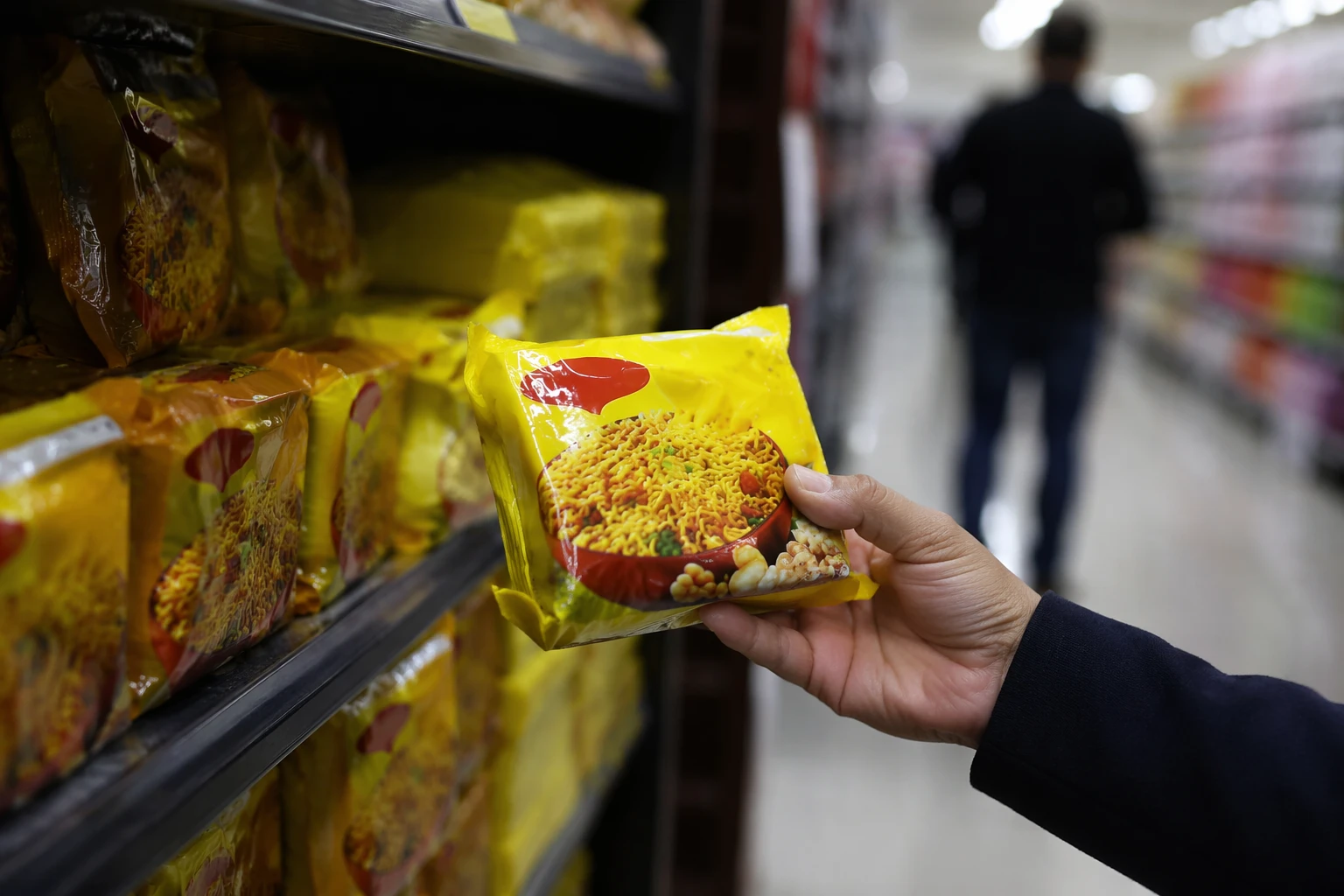
FSSAI’s move was not limited to MAGGI. Reports said the regulator issued notices the same day to KFC, Flipkart and snack brand Open Secret after social-media complaints about hygiene, contamination and pest-related concerns. That wider sweep suggests the authority was responding to a pattern of viral consumer grievances rather than a single isolated allegation, and it shows how online posts can now trigger a formal regulatory response within hours.
The market reacted immediately. Nestle India shares fell about 3% on June 12, 2026, underscoring how quickly investor sentiment can shift when a household brand faces even a disputed food-safety allegation. For consumer companies, the reputational damage often begins before any verified finding is made, especially when regulators step in and ask for batch records, vendor details and internal checks.

The current episode also lands in the shadow of MAGGI’s most damaging food-safety crisis. In June 2015, authorities moved against the product over alleged excessive lead and labeling problems, and Nestle temporarily stopped selling MAGGI in India before later saying the product returned to sale in November 2015. That episode hurt trust for years. In February 2025, a Bombay High Court bench reportedly dismissed a criminal case tied to the 2015 matter on procedural grounds, a reminder that the brand has spent a decade living with the legacy of that earlier scare.
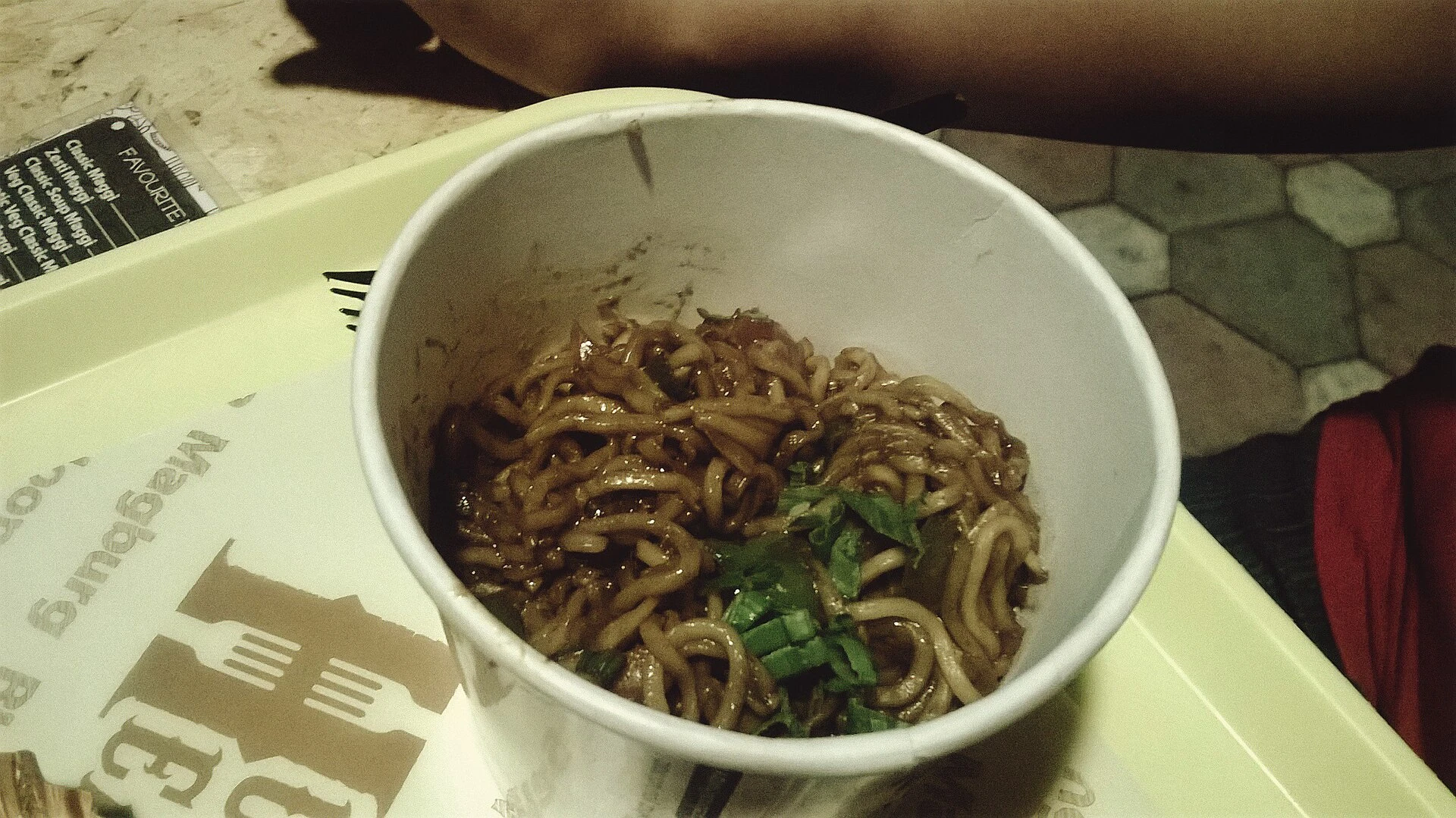
For Nestle, the immediate task is to reassure regulators and consumers that the allegation does not match the evidence. For India’s food-safety system, the episode shows how a viral complaint can now move from social media to official scrutiny, with the burden on companies to document what happened, where the batch came from and how they will keep it from happening again.
Sources
- [1]arabnews.com
- [2]financialexpress.com
- [3]cnbctv18.com
- [4]livemint.com
- [5]economictimes.indiatimes.com
- [6]nestle.in
- [7]nestle.com
- [8]fssai.gov.in
- [9]foodsafetynews.com
- [10]moneycontrol.com