Business
Nestle to remove artificial colours from all products by 2026
Nestle said it will remove artificial food colourings from every product in its global portfolio by the end of 2026, a sweeping reformulation that extends beyond its already largely dye-free U.S. lineup. Stefan Palzer, Nestle’s technology chief, said the company expects its worldwide product range to be free of artificial colours by year-end.
The move lands as food makers face stronger pressure from regulators, parents and health-conscious shoppers to simplify ingredient lists. On April 22, 2025, the U.S. Department of Health and Human Services and the Food and Drug Administration announced new steps to phase out petroleum-based synthetic dyes from the food supply and establish a national standard and timeline for industry. The FDA is still tracking company pledges to remove those dyes, a sign that the reformulation wave is still unfolding rather than finished.
Nestle’s decision also puts it ahead of several major packaged-food rivals. Nestlé USA said on June 25, 2025, that it would eliminate FD&C colors from its U.S. food and beverage portfolio by mid-2026, noting that more than 90% of that portfolio already did not use synthetic colors. Kraft Heinz said in June 2025 that it would remove FD&C colors from its U.S. portfolio before the end of 2027 and would stop launching new U.S. products with FD&C colors immediately. General Mills said the same month that it would remove artificial colors from its full U.S. retail portfolio by the end of 2027.
For shoppers, the change is likely to show up first in labels, then in taste, shelf life and, in some cases, pricing. Palzer said Nestle had to screen natural alternatives, test them in production and test shelf life, a process that can force companies to change suppliers, alter manufacturing lines and rework packaging across multiple categories. Those costs do not always stay contained inside a factory; they can filter into sourcing contracts, logistics and the final retail price of reformulated products.
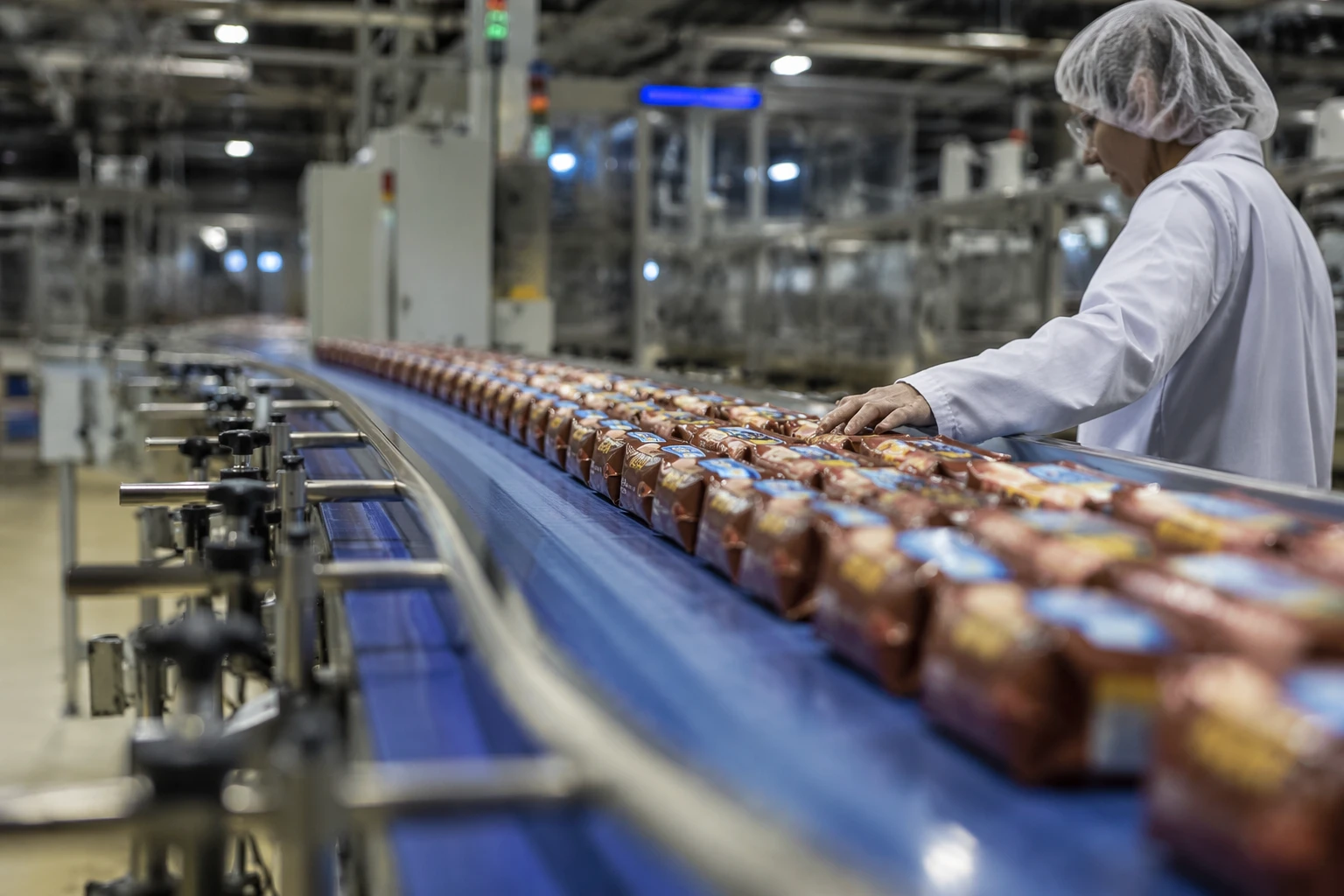
Nestle’s U.S. business had already pushed far into the transition. Food Business News reported that more than 90% of Nestle USA’s portfolio was already free of synthetic colors when the company set its mid-2026 deadline, but products such as Nesquik banana strawberry low-fat ready-to-drink milk and Nesquik strawberry syrup still used them. That gap shows how hard it can be to finish the job across a sprawling portfolio, even after years of incremental change.
The broader industry has been moving in the same direction, with manufacturers and retailers increasingly stripping out ingredients such as FD&C synthetic dyes and even sweeteners including corn syrup. Nestle’s deadline makes that shift harder to dismiss as a branding exercise and more like a competitive test of whether cleaner labels can become the new baseline.
Sources
- [1]money.usnews.com
- [2]nestleusa.com
- [3]foodbusinessnews.net
- [4]fda.gov
- [5]news.kraftheinzcompany.com
- [6]cnbc.com
- [7]whitehouse.gov
- [8]fooddive.com
- [9]rte.ie