World
Netanyahu Addresses AI Deepfake Controversy Amid Iran War
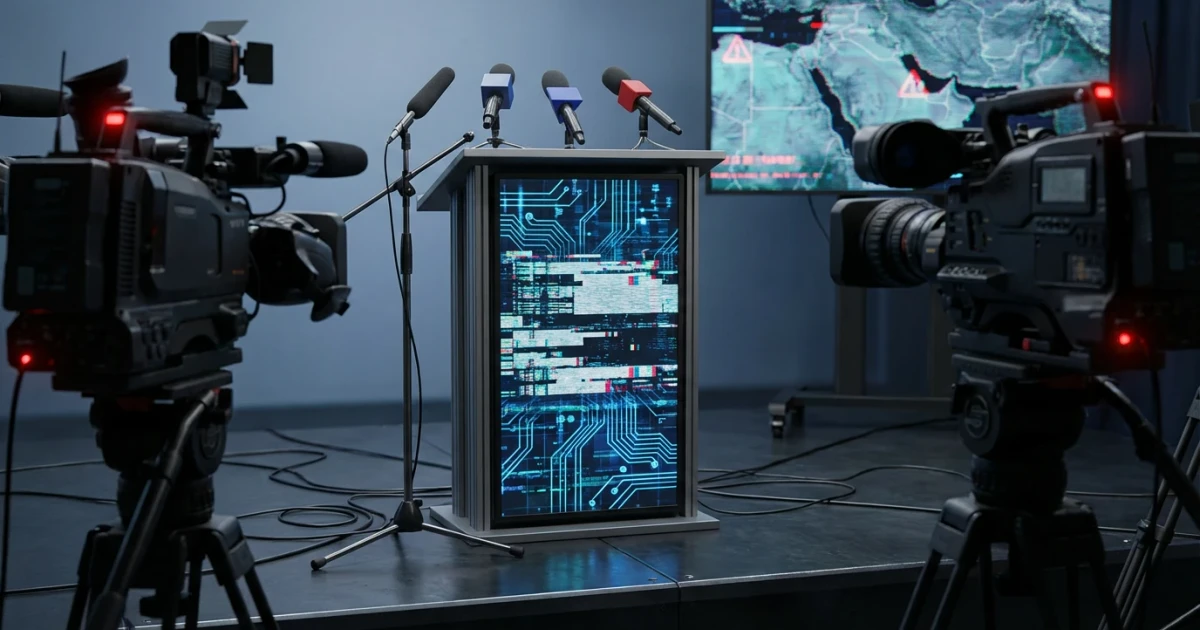
Israeli Prime Minister Benjamin Netanyahu broke his public silence on Tuesday with a press conference addressing mounting concerns over artificial intelligence deepfakes and assassination rumors that have swirled amid the ongoing war with Iran. The event, heavily covered by The Economic Times and other international outlets, underscored growing anxieties over the role of misinformation in modern conflict.
AI Deepfakes Fuel Unrest During Conflict
In recent weeks, Israeli and Iranian social media have been awash with purported videos and audio clips claiming to show Netanyahu making controversial statements or, in some cases, even announcing his own demise. Many of these clips have been identified as AI-generated deepfakes, part of a broader pattern of technological manipulation that experts say is increasingly shaping perceptions during wartime.
- Several deepfake videos depicting Israeli officials, including Netanyahu, spread rapidly online in the days following escalations on the Iranian front.
- Some clips falsely claimed that the Prime Minister had been assassinated, fueling confusion and panic.
- According to research by the Center for Strategic and International Studies (CSIS), the use of AI-driven disinformation tactics has surged in the Middle East, with AI adoption and investment in the region expanding rapidly.
Netanyahu's Response and the Government's Stance
During the press conference, Netanyahu categorically denied rumors of his assassination and condemned the proliferation of manipulated media. He stressed the Israeli government’s commitment to transparency and said authorities are working with international partners to identify and counter the origins of these deepfakes.
While no direct quotes from the Prime Minister were published in The Economic Times’ live coverage, the event was described as an attempt to "restore public confidence" and "dispel false narratives." Israeli officials have called for increased vigilance and public education about the dangers of AI-generated disinformation during times of crisis.
Economic and Strategic Implications
The controversy over deepfakes comes at a time of heightened military and economic uncertainty for both Israel and Iran. Analysts note that the confusion sown by fake videos can undermine public morale and potentially influence diplomatic or military decisions.
- Iran’s economic position remains fragile, with total reserves under pressure and GDP growth rates fluctuating sharply amid sanctions and war-related disruptions.
- Israel’s financial system also faces volatility, as reflected in recent exchange rate movements and uncertainty for major firms like Teva Pharmaceutical Industries.
Disinformation campaigns, particularly those leveraging advanced AI, threaten to exacerbate these economic anxieties by undermining trust in official communications and news sources.
Heightened Global Concerns Over AI and Disinformation
The Netanyahu press conference highlighted a growing international consensus that the spread of AI-powered deepfakes represents a critical security threat. Governments and cybersecurity experts are increasingly advocating for stricter regulations, improved detection methods, and enhanced digital literacy campaigns to mitigate the risks of synthetic media in conflict zones.
According to Statista research, the Middle East and Africa are seeing rapid growth in AI-related initiatives, making the region both a leader in innovation and a potential hotspot for tech-driven disinformation efforts.
Looking Ahead
As the war between Israel and Iran continues, the interplay between military action, economic stability, and information warfare is likely to intensify. Netanyahu’s press conference marks an early attempt by a world leader to directly confront the challenges posed by AI-driven disinformation on the global stage. The effectiveness of such efforts, and the resilience of both governments and societies to these new threats, will be closely watched in the weeks ahead.