World
Netanyahu faces election without Trump as Israelis turn against him
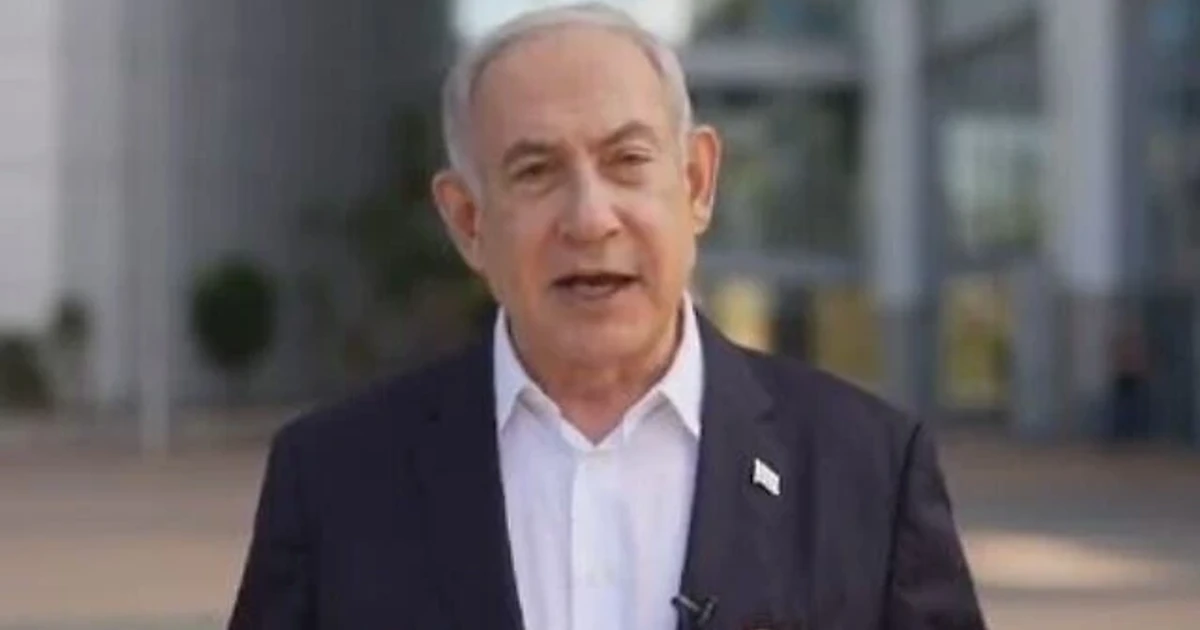
Benjamin Netanyahu is heading toward Israel’s next election with a far weaker political asset than he once counted on: visible backing from Donald Trump. Likud has already said the 76-year-old prime minister will seek re-election, but the vote has not yet been formally announced and must be held by October 27, leaving Netanyahu to campaign under a cloud of public skepticism and eroding support.
That problem is especially sharp because this will be Israel’s first national vote after the October 7, 2023 Hamas attack and the wars that followed in Gaza, Lebanon and Iran. Polls have put Netanyahu’s right-wing coalition on course to lose, turning the race into a referendum on his handling of the wars, the security breakdowns that preceded them and the corruption allegations that have shadowed him for years. A poll cited by The Times of Israel found that more than 60 percent of Israelis do not want him to run again.
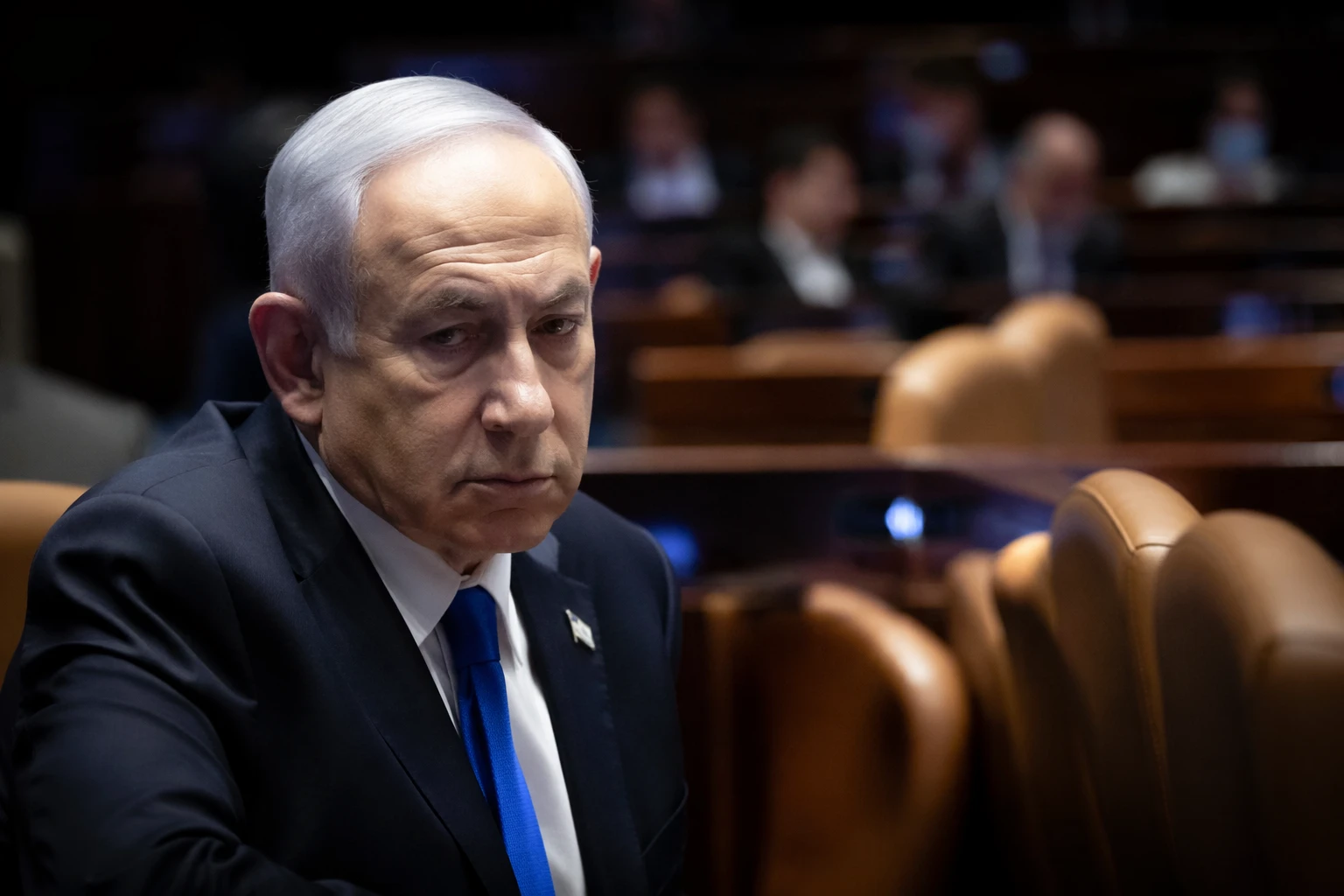
Without the assumption of Trump’s visible backing, Netanyahu’s campaign has to lean harder on different voters and a narrower message. His strongest appeal is likely to be to right-wing Israelis who still credit him with wartime resolve, opposition to Palestinian statehood and a hard line against Iran, but that pitch is now colliding with voters who blame him for the strategic failures of October 7. The absence of a presidential ally in Washington also weakens one of Netanyahu’s longest-running arguments, that his leadership can deliver international leverage as well as domestic security.

The interim U.S.-Iran deal has made that recalculation even harsher. Netanyahu had hoped to enter the race with Iran’s regime visibly weakened, even collapsed, and he boasted in March that “we are changing the face of the Middle East.” Instead, the deal has undercut that claim and let rivals say the regional momentum moved without him. Naftali Bennett called the agreement a “dangerous turn for Israel’s security,” while Gadi Eisenkot and other opposition figures have sharpened their attacks on Netanyahu’s wartime record and his handling of the aftermath.
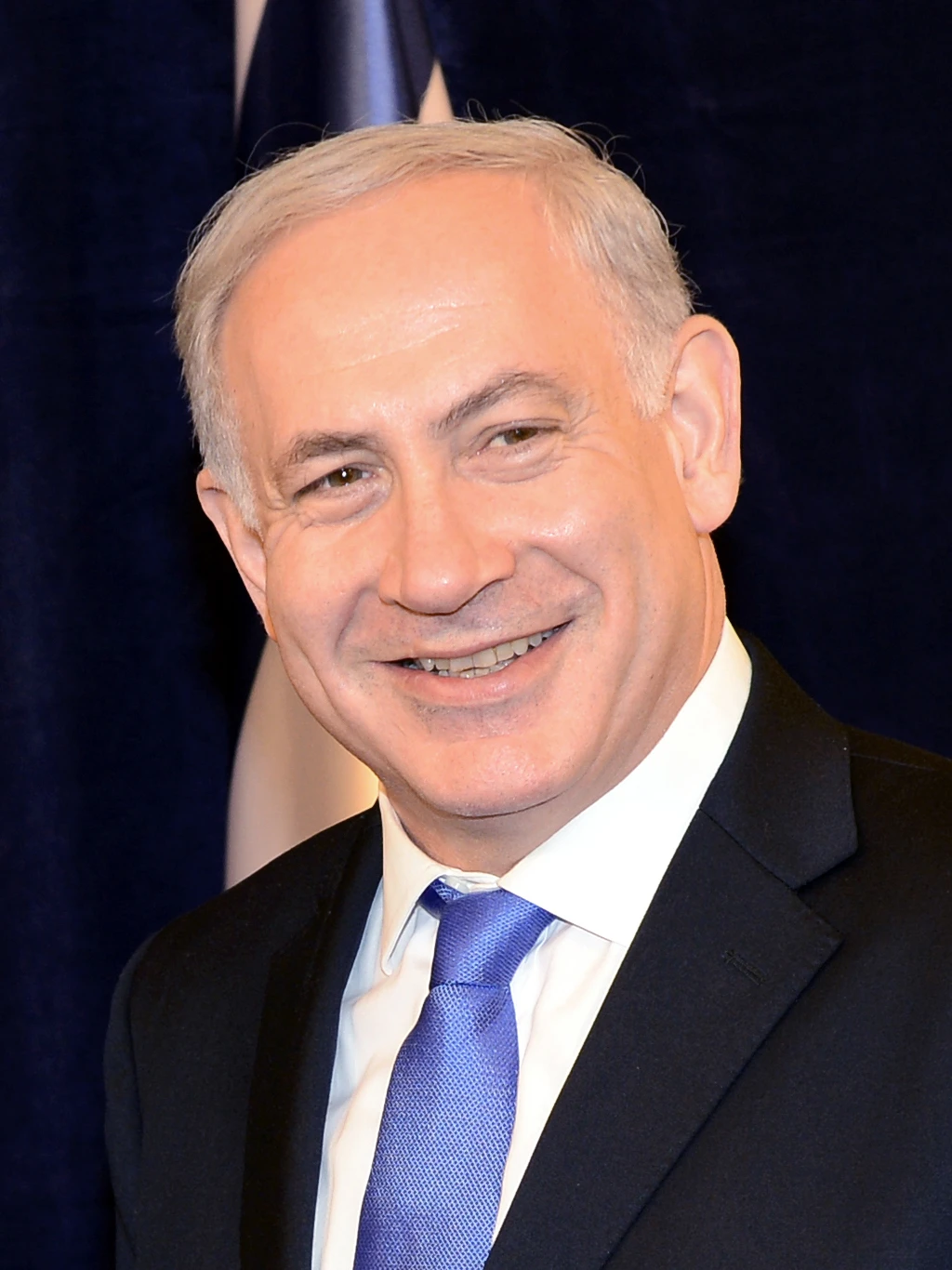
Netanyahu is now trying to buy time, reportedly favoring a vote as late as October 20 in hopes that diplomacy or military developments improve his standing. That delay would give him a few more weeks to rally his coalition, reassure skeptical security-minded voters and blunt the damage from Trump’s doubts. But with Israelis increasingly turning against him, and with his old international advantage fading, Netanyahu faces an election in which his own record, not his foreign friendships, is likely to dominate the ballot.
Sources
- [1]nytimes.com
- [2]usnews.com
- [3]timesofisrael.com
- [4]reuters.com
- [5]naharnet.com