World
Netanyahu says Iran nuclear framework omits key Israeli demands
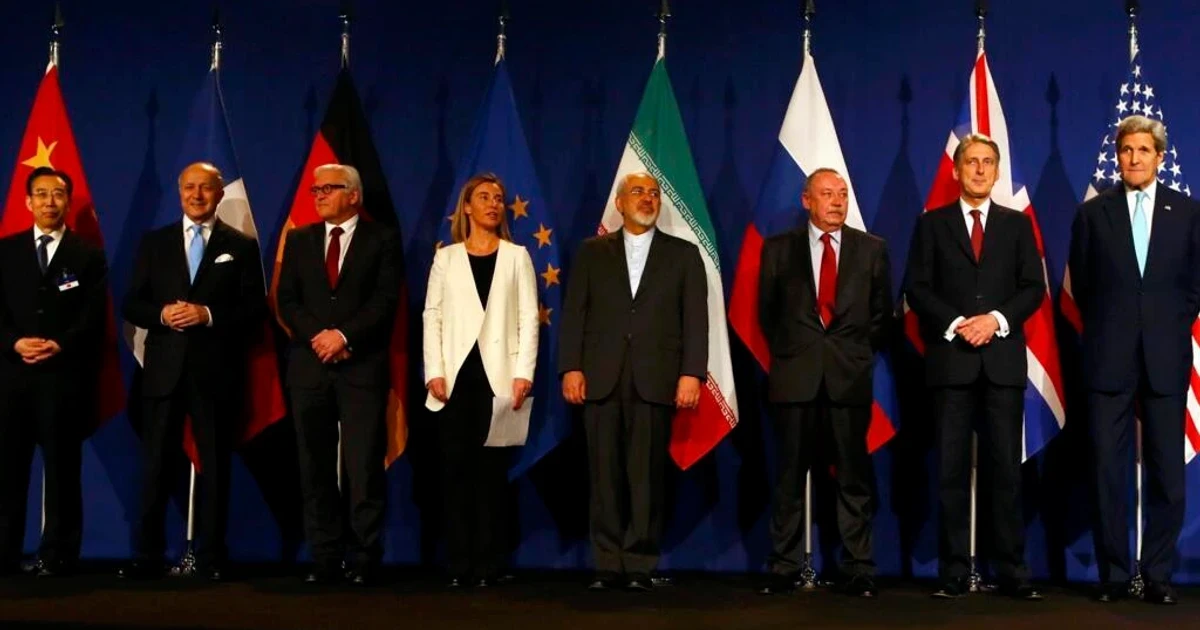
The April 2 framework in Lausanne left Benjamin Netanyahu with almost none of the demands he had spent weeks pressing in Washington. He wanted a deal that would force Iran to recognize Israel’s right to exist, cap centrifuges and enrichment far more sharply, and block sanctions relief unless Tehran changed its regional conduct. Instead, the White House and Iran’s P5+1 partners held to an agreement they said would cut off Iran’s pathways to a nuclear weapon.
Netanyahu’s campaign against the talks was unmistakably political and public. He told American lawmakers from both parties that the emerging agreement would threaten Israel’s survival, and he pressed for what he called a better deal. Before the framework was announced, he addressed a joint session of Congress on March 3, 2015, in a direct challenge to Barack Obama’s diplomacy. Reporting at the time said he had spoken with nearly two thirds of the House and a similar share of the Senate, trying to build enough pressure to shift Washington’s terms.
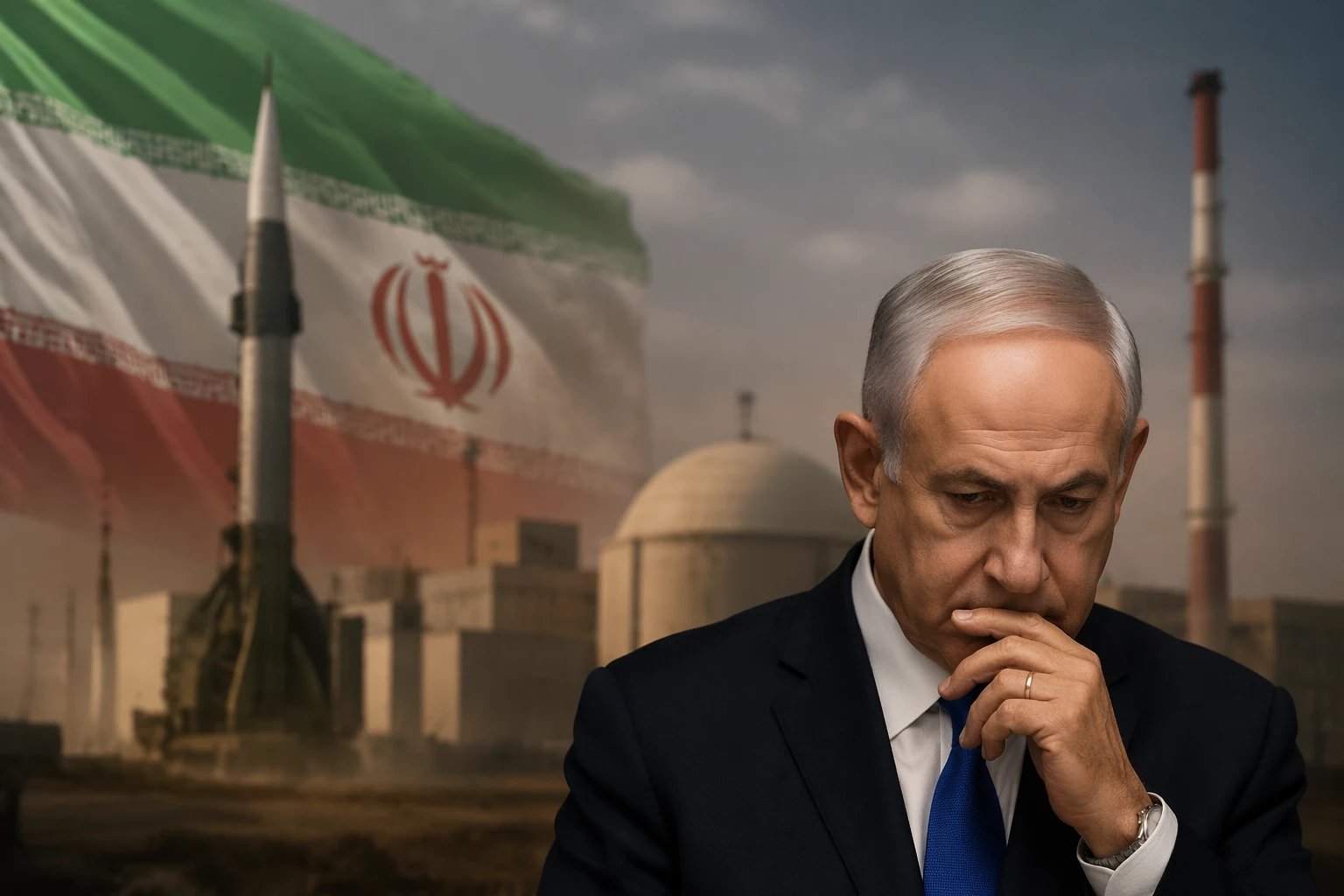
That pressure did not move the core of the negotiation. The U.S. State Department rejected Israel’s demand that any final deal include Iranian recognition of Israel’s right to exist, saying that was not the issue being negotiated. U.S. officials said the framework was meant to block Iran’s route to a bomb, not to settle the broader political conflict between the two countries. Netanyahu and his cabinet argued the opposite: that leaving Iran with thousands of centrifuges, any enrichment capability, and sanctions relief before a change in behavior would legitimize Tehran’s nuclear program and embolden its support for what Israel described as terrorism.

Israeli officials also warned that the framework could trigger a nuclear arms race across the Middle East. Netanyahu said after a security cabinet meeting that the entire cabinet opposed the emerging deal and saw it as a heightened danger to Israel’s security. On the other side, hundreds of Iranians celebrated the announcement in Tehran, treating it as a breakthrough in a 12-year standoff that still had to be turned into a full agreement by June 30, 2015.
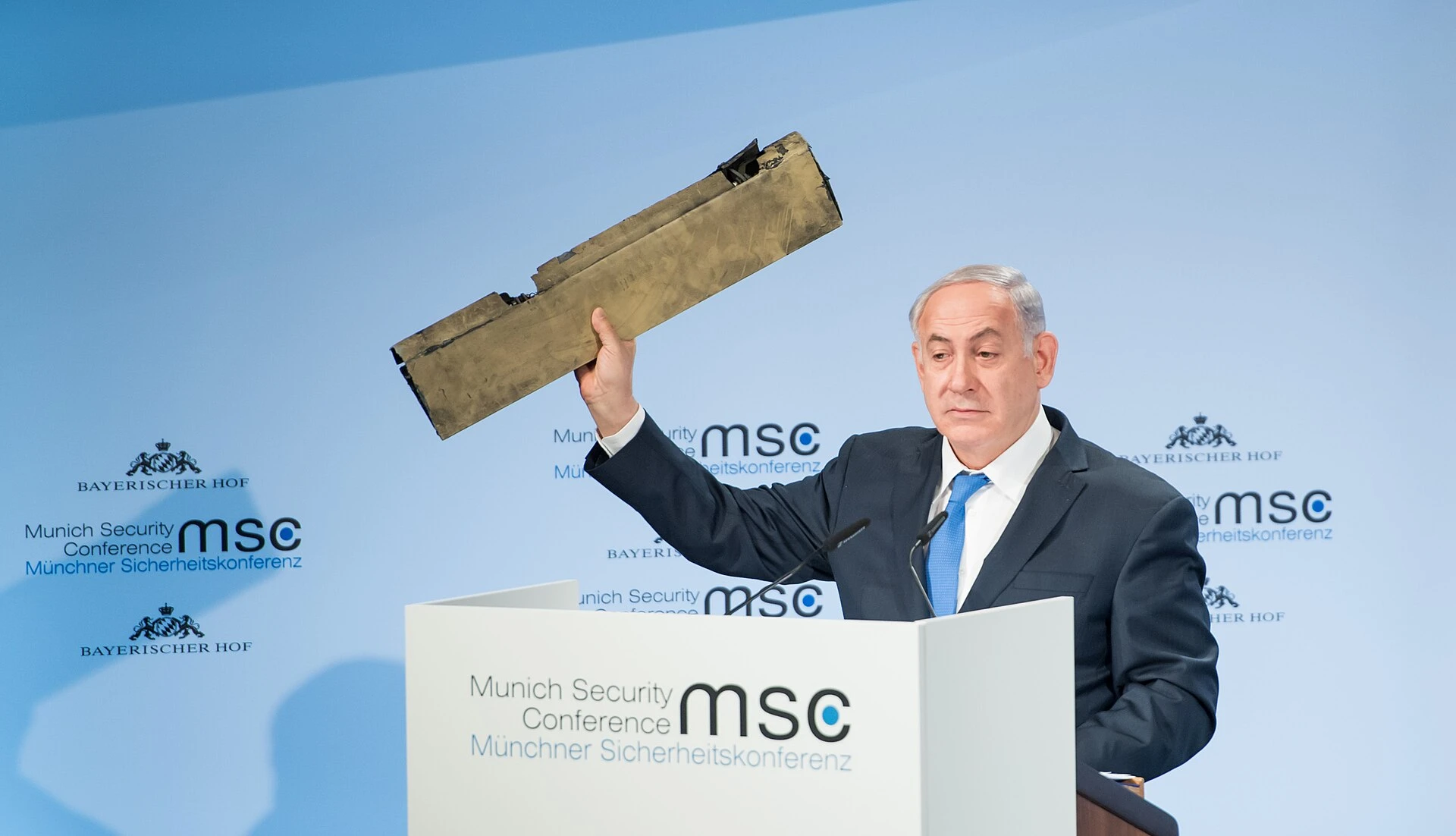
The final Joint Comprehensive Plan of Action was signed on July 14, 2015, but Netanyahu’s larger effort had already failed on the central point: he did not alter the framework, and he did not force Washington to adopt Israel’s preferred terms. The Trump administration’s withdrawal in May 2018 later collapsed the deal anyway, yet by 2021 Israeli analysts were saying Iran’s nuclear program had become more advanced than ever, a verdict that deepened criticism of Netanyahu’s maximum-pressure strategy and exposed the limits of his leverage.
Sources
- [1]nytimes.com
- [2]france24.com
- [3]politico.com
- [4]timesofisrael.com
- [5]abc.net.au
- [6]washingtoninstitute.org