World
Netanyahu says Israeli forces will stay in southern Lebanon zone
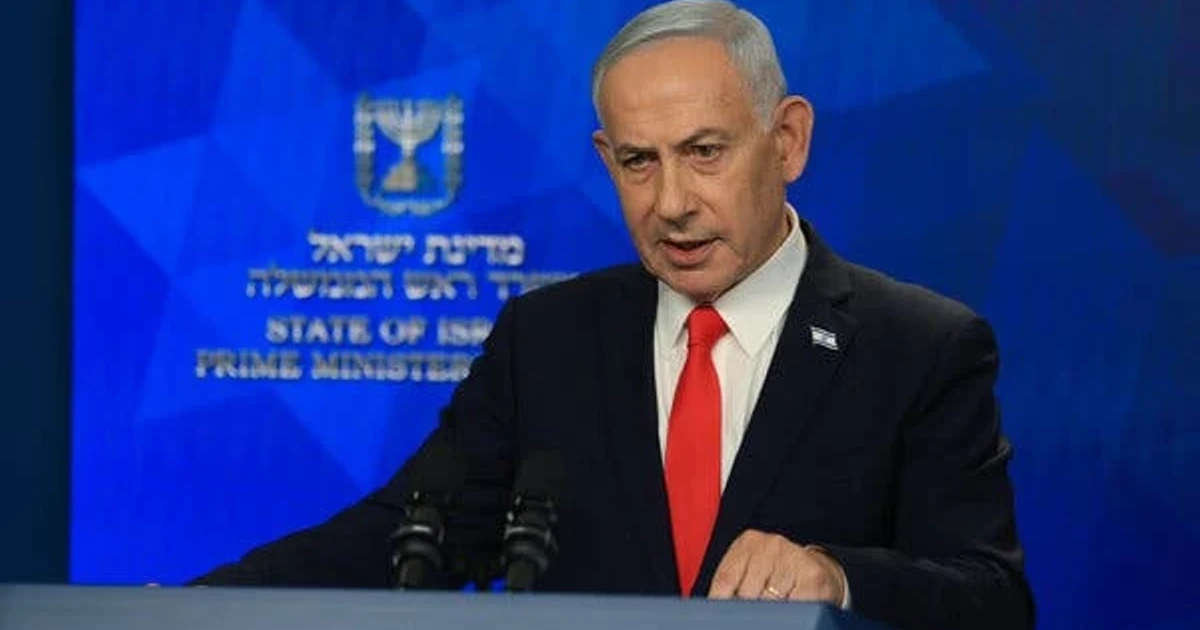
Benjamin Netanyahu’s refusal to pull Israeli forces out of southern Lebanon put Washington’s latest Middle East understanding on immediate collision course with one of its closest allies. The Israeli prime minister said Thursday that the military would not leave its security zone, even as Iranian officials said the U.S.-Iran memorandum requires an Israeli withdrawal and Israeli officials insisted Israel is not bound by the deal.
The public split lands just as the memorandum was expected to be formally signed Friday, June 19, 2026, in Switzerland, with U.S. and Pakistani officials describing it as an agreement to end hostilities on all fronts, including Lebanon. That makes southern Lebanon an early test of whether the United States can turn diplomacy into compliance when Israel has its own battlefield map and its own red lines.
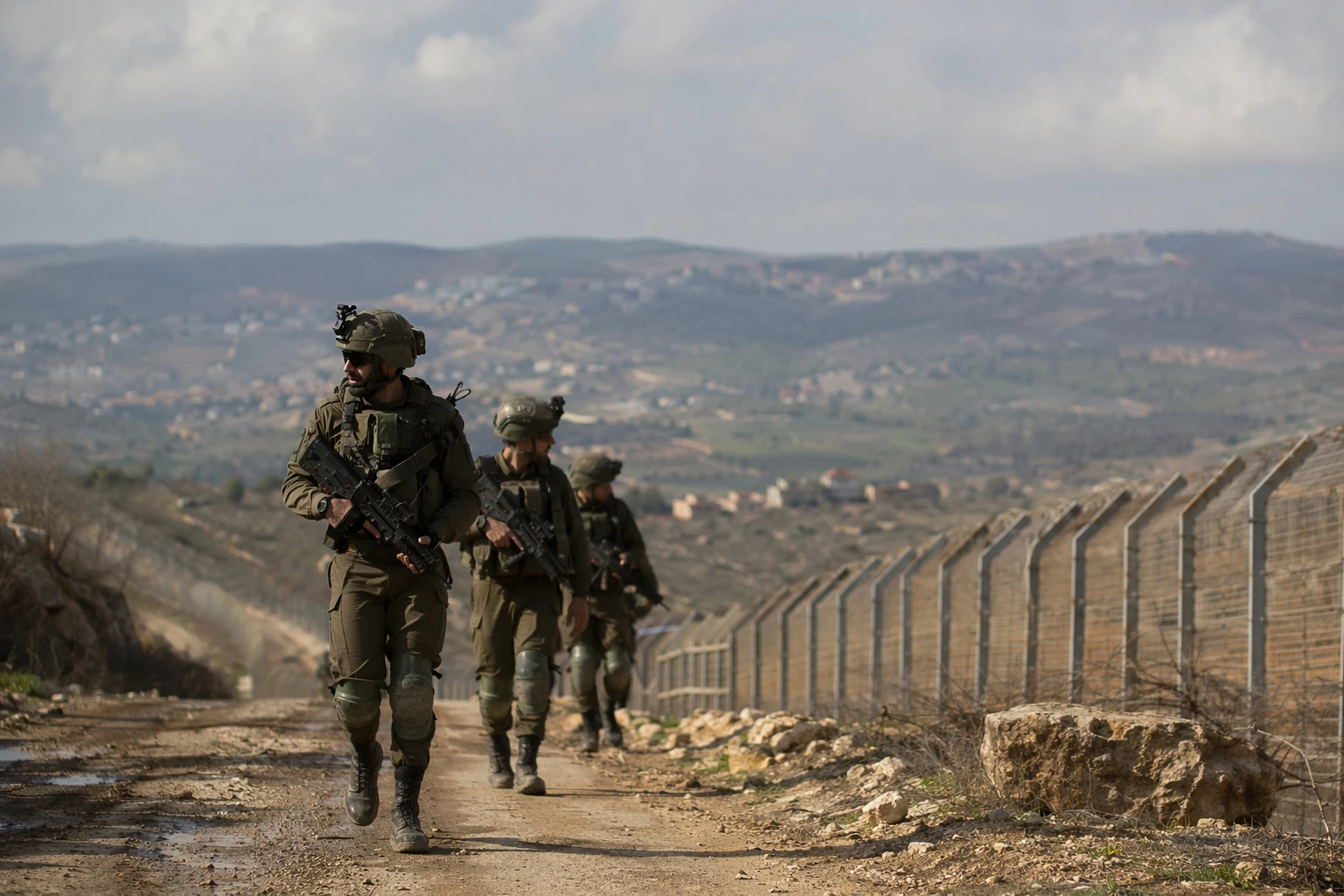
The stakes sharpened after Israel and Lebanon agreed on June 4 to renew a fragile ceasefire and create “pilot” security zones inside Lebanon where Hezbollah would be banned. But the arrangement never settled the broader dispute, and the fighting kept bleeding through the truce. On Wednesday, June 17, Israeli strikes hit south Lebanon, including raids near Nabatieh al-Fawqa and the eastern outskirts of Kfar Tebnit, according to Lebanese state reporting.
Reuters reported Thursday that Israel’s military published a map showing an expanded zone of control in southern Lebanon and that Israeli officials were in talks with the United States over continuing the deployment there. That map directly undercuts the memorandum’s call for Lebanon’s sovereignty to be respected, and it leaves Washington confronting a familiar problem: a diplomatic framework that depends on restraint, but no clear mechanism to force it.

The human cost has already been real. CBS News reported that one Israeli soldier was killed and seven others were wounded in southern Lebanon during clashes, with other reports saying the soldier died on the border patrol route near the Litani River. The ceasefire in Lebanon began at 5 p.m. EDT on April 17, but repeated violations have made the truce increasingly fragile.
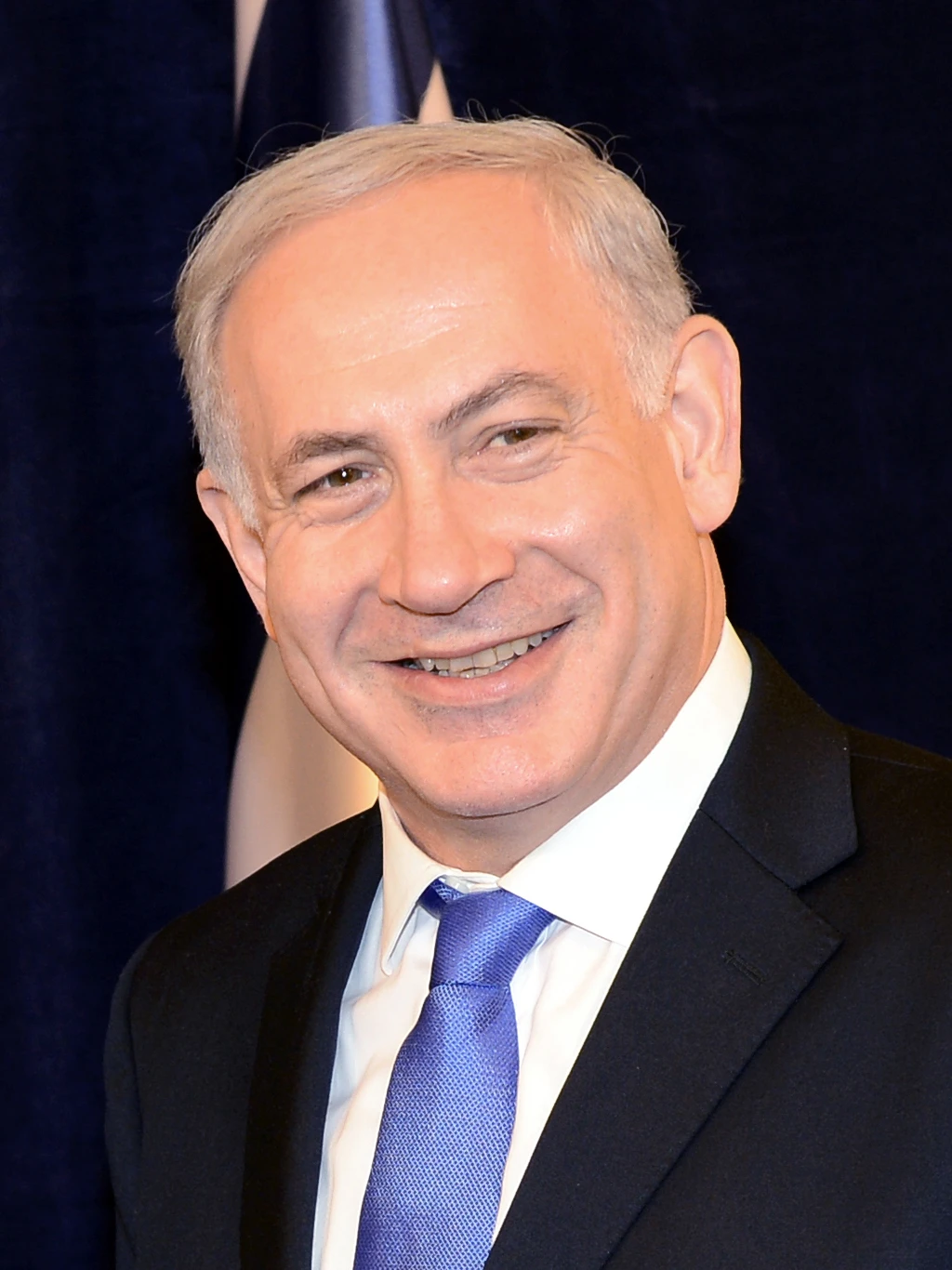
President Donald Trump added to the pressure by saying he did not like that Israel attacked Lebanon two hours before Washington signed the Iran agreement. For now, Netanyahu’s defiance has turned southern Lebanon into a test not only of military posture, but of whether the United States has any practical leverage to make a diplomatic understanding stick.
Sources
- [1]cbsnews.com
- [2]reuters.com