World
Netanyahu seeks re-election as Israel heads toward postwar vote
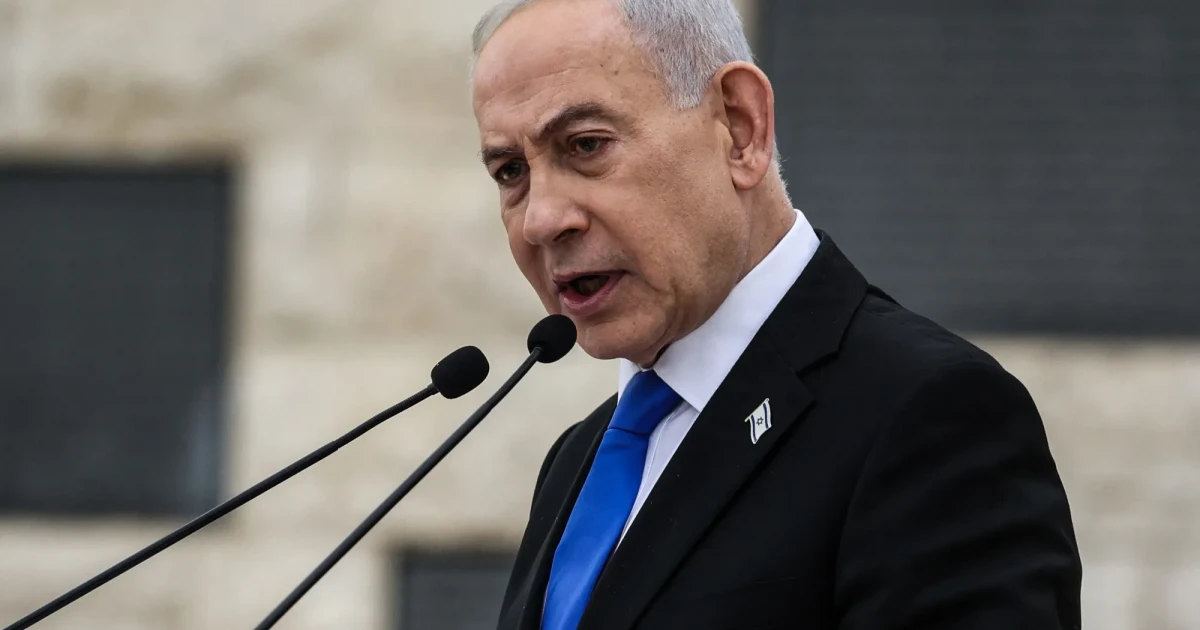
Benjamin Netanyahu's bid for another term became a test of political strength on Tuesday, after Donald Trump publicly questioned whether the Israeli prime minister intended to run again. Likud quickly answered that Netanyahu would seek re-election, sharpening a race that now carries the weight of wartime fatigue, public anger and a fractured opposition.
Israel's next Knesset election must be held by October 27, 2026, and it will be the first national vote since the Hamas attack of October 7, 2023, the deadliest security failure in years. That makes the campaign more than a routine contest for office. It is also a judgment on how Israelis have lived through the wars in Gaza, Lebanon and Iran, and on whether Netanyahu can still present himself as the country’s indispensable wartime leader.
The political ground underneath him looked shaky. A Jerusalem-based poll published on June 9 found that 61% of Israelis thought Netanyahu should not run again, while 57% of Jewish Israelis said the same. The Israel Democracy Institute said 61% of Israelis also backed term limits for future prime ministers after Netanyahu, a sign that public impatience has moved beyond a single election cycle and into the structure of future governance. Netanyahu returned to power in December 2022 at the head of what was described as the most right-wing coalition in Israeli history, and that coalition has since been buffeted by mass protests, judicial disputes and repeated questions about accountability.
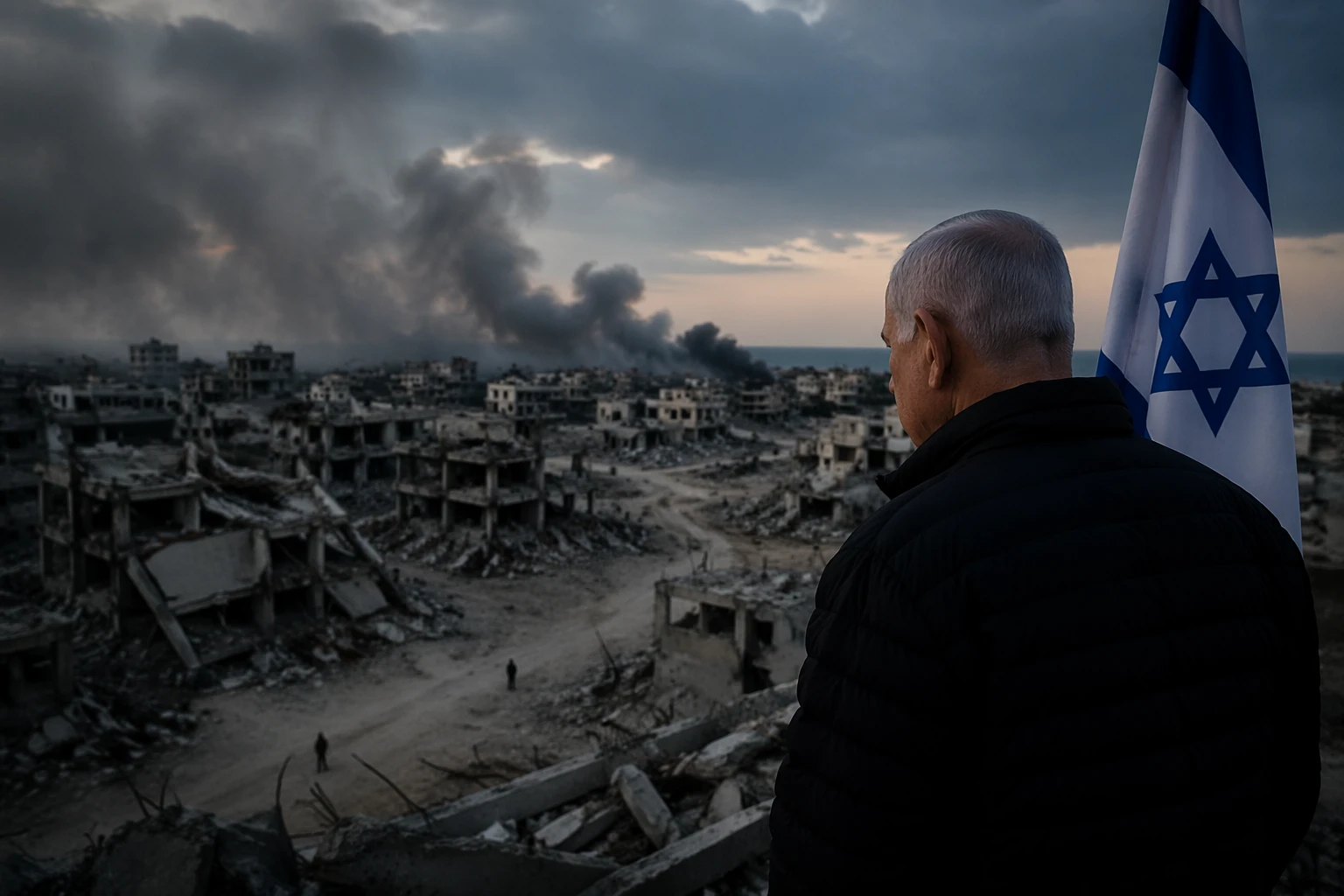
Trump's intervention only underlined how much Netanyahu's standing now depends on political optics abroad as well as at home. Trump confirmed he had called Netanyahu "crazy" in a heated exchange over fighting in Lebanon, yet he also said he still respected him and that they worked very well together. The two men remain closely aligned on security and Iran, but Trump's public doubts added another layer of pressure at a moment when Netanyahu needs to project control, not defensiveness.
Netanyahu's corruption trial remained unresolved as of May 2026, with cross-examination continuing intermittently and several hearings delayed or cut short on security grounds. That legal fight, the war record and the election calendar are converging at once. Even if Netanyahu enters the campaign weakened, opposition parties still face a difficult path to power: they may need to cooperate across rival blocs or with Arab parties, a route some opposition leaders have already ruled out. The result is a race in which Netanyahu may be politically battered, but still hard to dislodge.
Sources
- [1]english.alarabiya.net
- [2]en.idi.org.il
- [3]gov.il
- [4]timesofisrael.com
- [5]usnews.com
- [6]al-monitor.com
- [7]cbc.ca