Entertainment
Netflix movie brings Alice Oseman's adaptation to a close
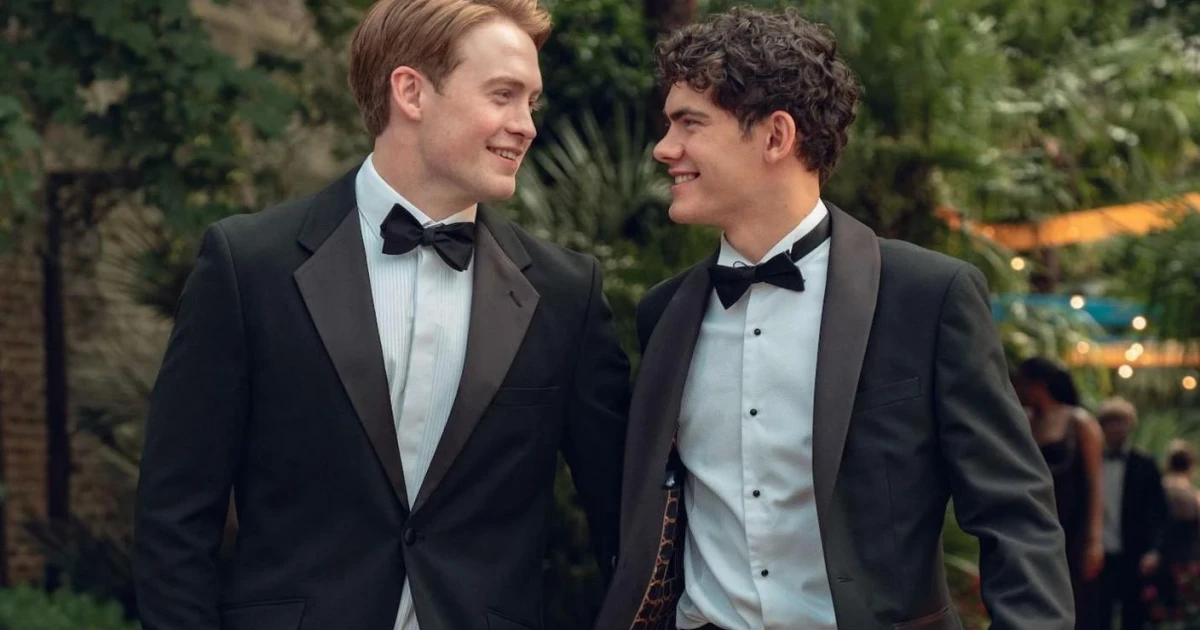
Netflix released Heartstopper Forever on Friday, July 17, bringing Alice Oseman’s screen adaptation to a close with a feature-length finale built around Kit Connor and Joe Locke as Nick Nelson and Charlie Spring. The nearly two-hour movie ends the three-season run that turned Oseman’s graphic novels into one of Netflix’s most visible young adult romances.
The film was positioned as the final chapter instead of a fourth season, a decision Netflix and Oseman had set in motion well before release. Netflix unveiled the launch date on the fourth anniversary of Heartstopper’s first season arriving on the platform, tying the finale to the franchise’s original streaming breakthrough. By March, Oseman said the project was nearing the end of post-production after filming had already wrapped in July 2025.
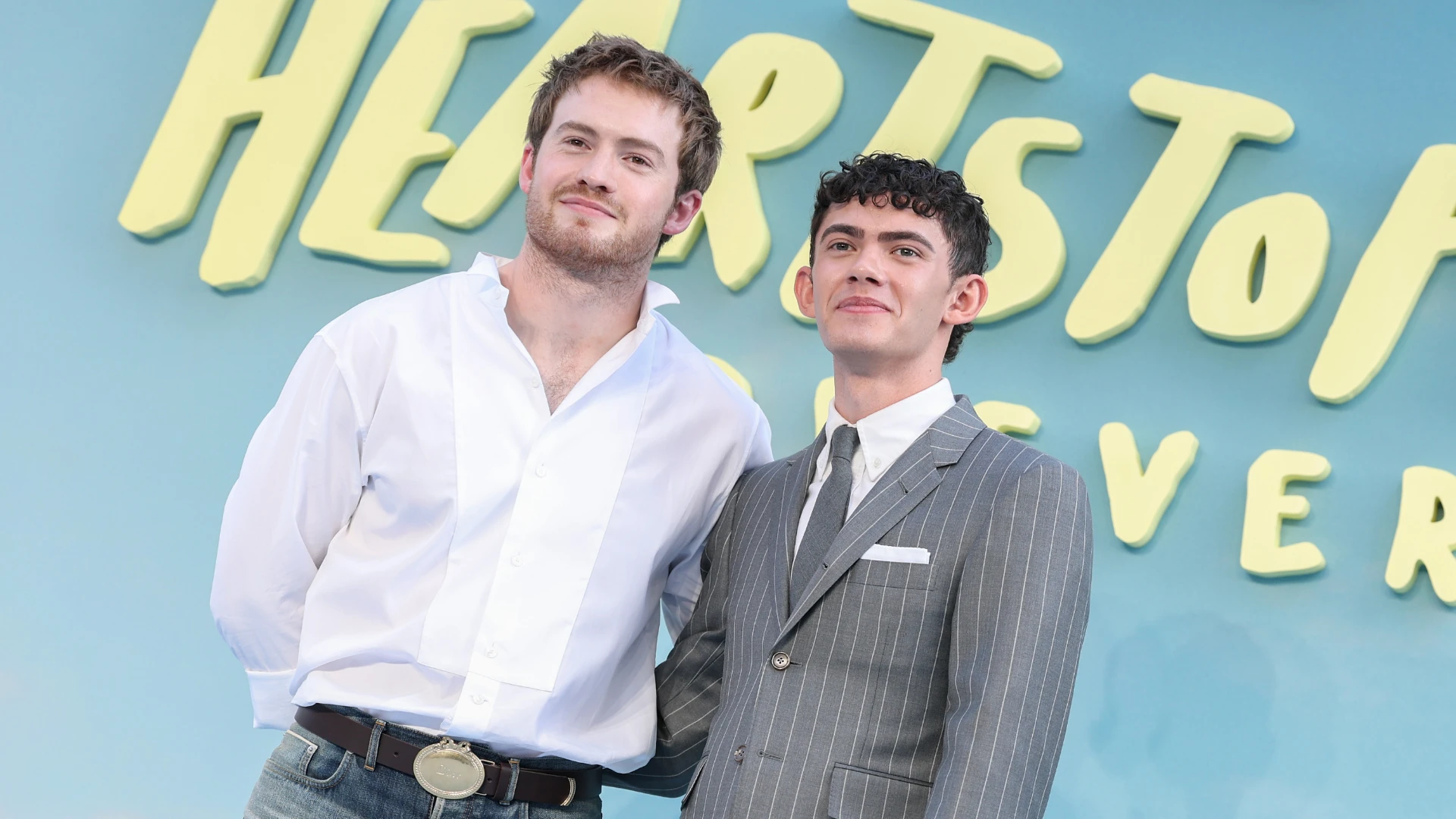
Connor and Locke remained the center of the story, and the final film also brought in new faces including Anna Maxwell Martin and Derek Jacobi. Their addition widened the ensemble as the series moved from school corridors and first crushes into an ending designed to gather the cast and the audience in the same place one last time. The title itself, Heartstopper Forever, signaled a conclusion rather than a reset.
The release lands with unusual cultural weight because Heartstopper became a rare mainstream queer story built on tenderness rather than trauma. Across three seasons, the adaptation offered a version of LGBTQ adolescence that centered romance, friendship and safety, which helped it reach viewers far beyond the usual niche audience for queer coming-of-age dramas. In a period when LGBTQ representation continues to face political pressure in schools, media and public life, that tone still matters. Netflix is not just closing a series. It is preserving a model of hopeful queer storytelling that built a global audience precisely because it treated young love as ordinary, visible and worth centering.

Heartstopper Forever gives Oseman’s adaptation a formal ending on streaming, but it also underlines why the series lasted this long in the first place: it made room for queer joy on one of the world’s biggest platforms, and it did so without asking that joy to be small.
Sources
- [1]bbc.co.uk