Technology
Netherlands joins US-led Pax Silica amid China chip export dispute

The Netherlands joined Pax Silica, the U.S.-led AI and supply-chain bloc, even as Amsterdam and Washington remain divided over how far to limit chip technology sales to China. The move puts a key European semiconductor power inside Washington’s widening industrial coalition while the dispute over ASML’s exports stays unresolved.
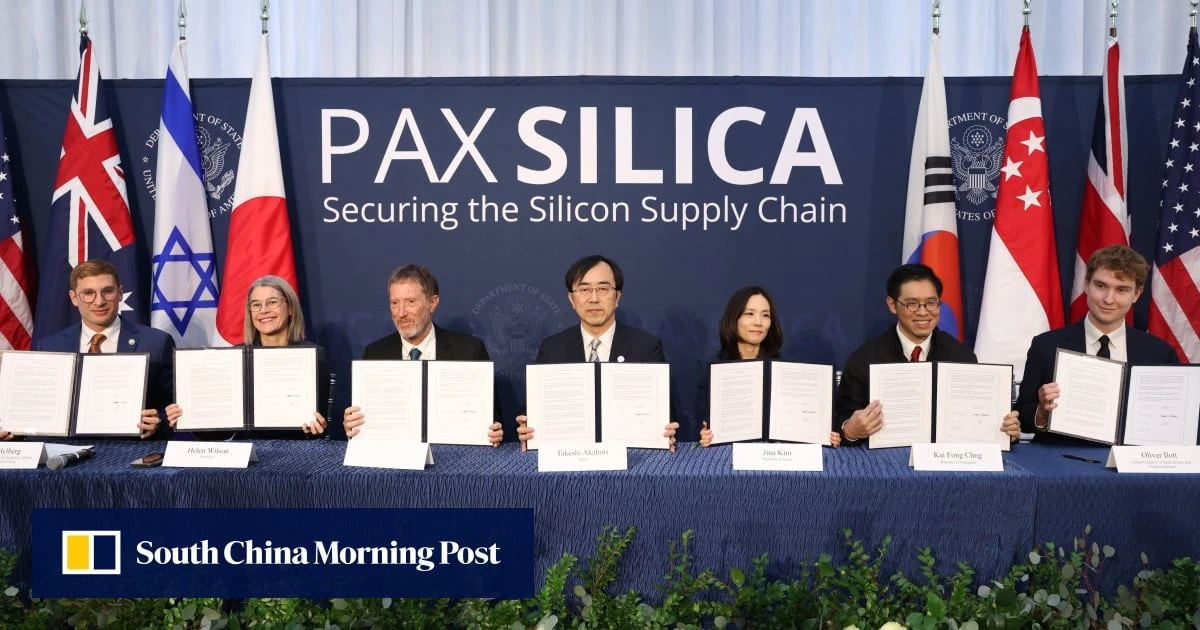
Pax Silica is the State Department’s flagship effort on AI and supply-chain security, built to create a secure silicon chain that stretches from critical minerals and energy inputs to advanced manufacturing, semiconductors, AI infrastructure and logistics. The initiative launched in December 2025, when Japan, Israel, Australia, Singapore and South Korea signed the declaration. Since then, the coalition has expanded to include the United Kingdom, Qatar, the United Arab Emirates, Finland, Norway, the Philippines and India, with more members expected. Taiwan has also endorsed the effort as a non-signatory.
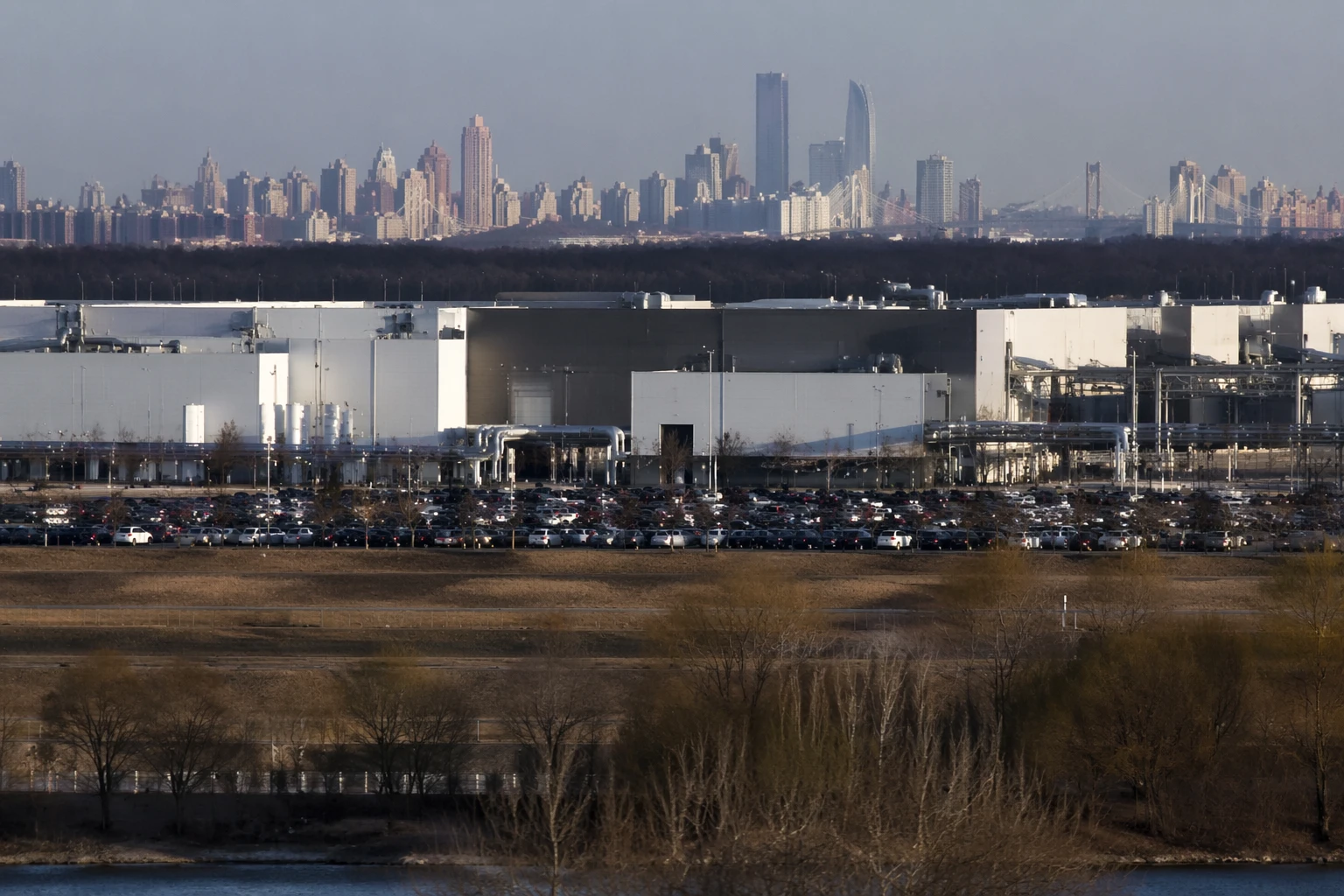
Dutch participation carries unusual weight because ASML sits at the center of the global chip tool chain. Its lithography machines are essential for making the most advanced chips, which also makes the company a flashpoint in the broader fight over China policy. U.S. officials have described Singapore, South Korea, Japan, Taiwan and the Netherlands as the nucleus of semiconductor manufacturing, a framing that helps explain why bringing Amsterdam into Pax Silica is a symbolic win for Washington.
The deal comes as the Dutch government presses back against a proposed U.S. law that could further restrict ASML exports to China. In May 2026, Dutch officials objected to the proposal’s extraterritorial reach, and Trade Minister Sjoerd Sjoerdsma said the Netherlands had raised those concerns with members of Congress and the U.S. government. His visit to Washington underscored that the issue is not only diplomatic theater, but a fight over commercial access, industrial policy and who gets to set the rules for advanced chip trade.
The tension at the heart of the alliance is familiar. The United States and the Netherlands agree that the most advanced ASML equipment should not flow to China when it is needed for top-tier AI chips. They remain split over whether less advanced machines should still be sold and serviced there. By joining Pax Silica anyway, the Netherlands is signaling that it wants a seat inside the emerging allied framework even as it continues to protect its own commercial leverage.
Sources
- [1]ca.news.yahoo.com
- [2]state.gov
- [3]reuters.com
- [4]uk.finance.yahoo.com