World
Netherlands turns manure surplus into fertilizer relief with RENURE rules
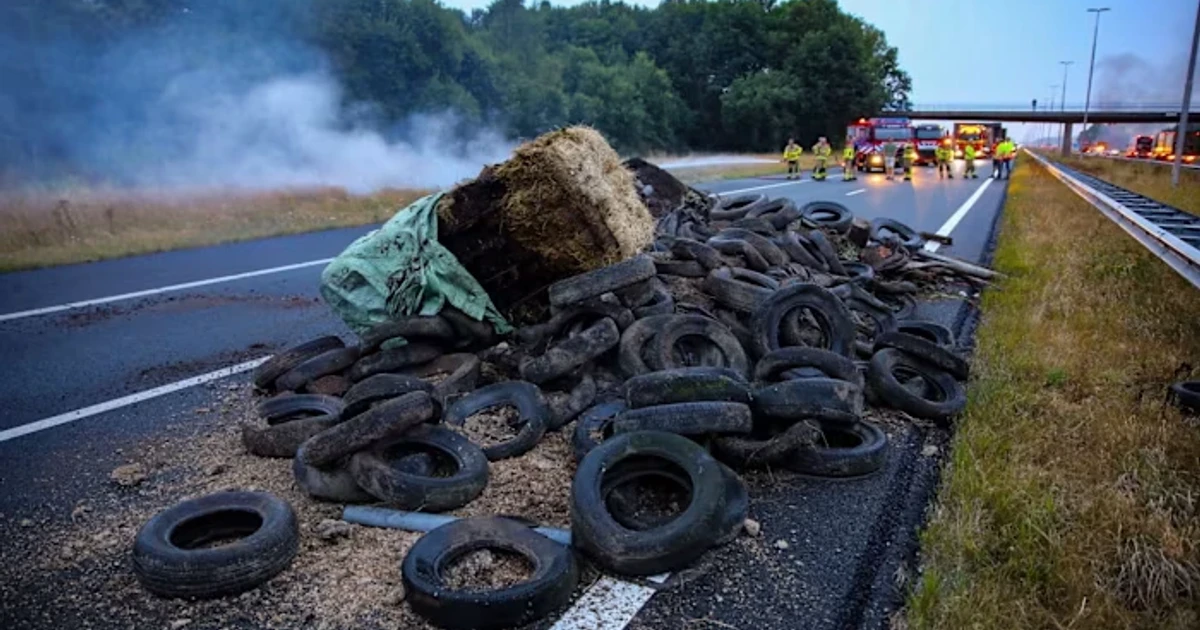
Dutch farmers began using processed manure as fertilizer on June 12, 2026, after the government allowed RENURE to be spread at up to 80 kilograms of nitrogen per hectare on top of the standard manure limit.
The change follows the dismantling of the Dutch manure derogation under the EU Nitrates Directive. Since 2005, the Netherlands had been allowed to apply more manure than the European Union’s standard 170 kilograms of nitrogen per hectare, but that special permission was reduced step by step and ended in 2026. In September 2024, Agriculture Minister Femke Wiersma presented a manure plan to deal with the strain, after official reports warned that surplus-manure disposal costs could hit production and income, especially for dairy farmers.
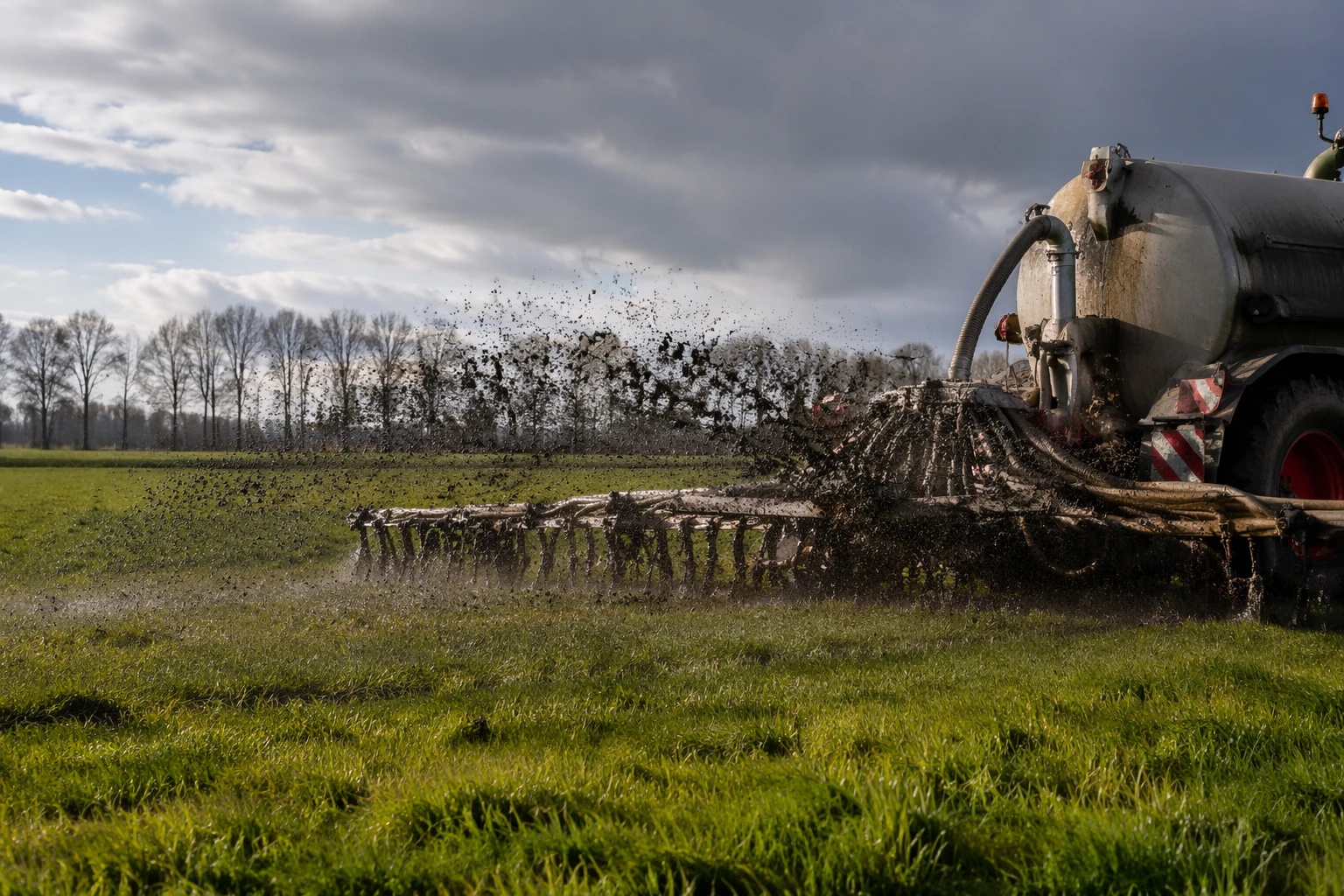
CBS put the Netherlands at 74.4 million tonnes of animal manure in 2024, with nitrogen production at 448.9 million kilograms and phosphate at 146.7 million kilograms. The 2025 ceilings were set at 440 million kilograms of nitrogen and 135 million kilograms of phosphate, leaving little room for a sector that already has to balance livestock output against pollution controls.
RENURE turns processed manure into a fertilizer substitute that can stay in the agricultural cycle. It supports circular agriculture and reduces dependence on imported synthetic fertilizer.
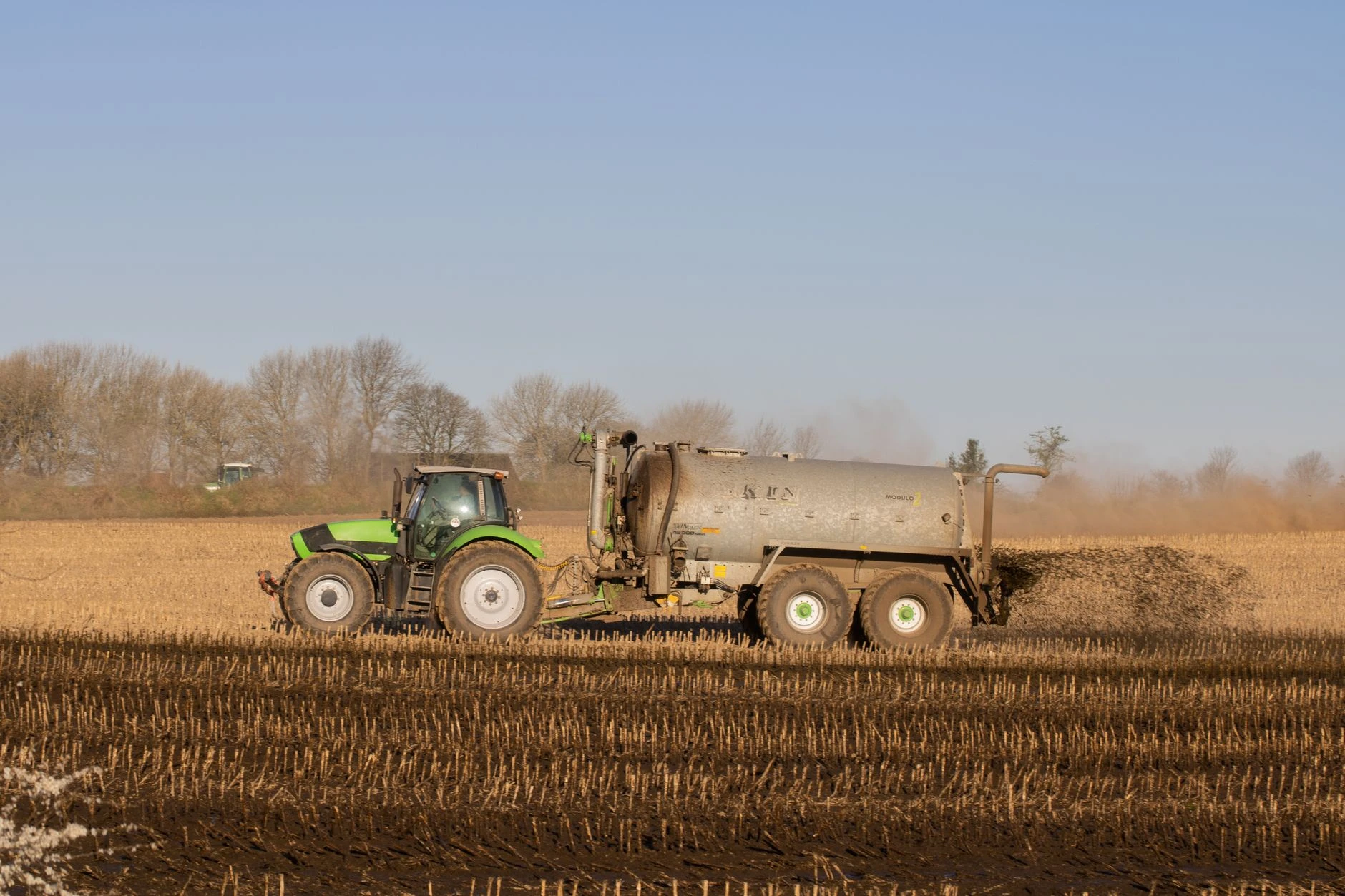
Wageningen University and Research put Dutch manure exports up 30 percent in the first half of 2025 compared with the same period in 2024, while disposal costs were about €30 per cubic metre for some farmers trying to move surplus manure off their land. For producers with access to processing plants and export routes, manure can now be a tradable input. For others, it remains an expensive liability.
Sources
- [1]nytimes.com
- [2]apps.fas.usda.gov
- [3]cbs.nl
- [4]openrijk.nl
- [5]rijksoverheid.nl
- [6]wur.nl
- [7]business.gov.nl